
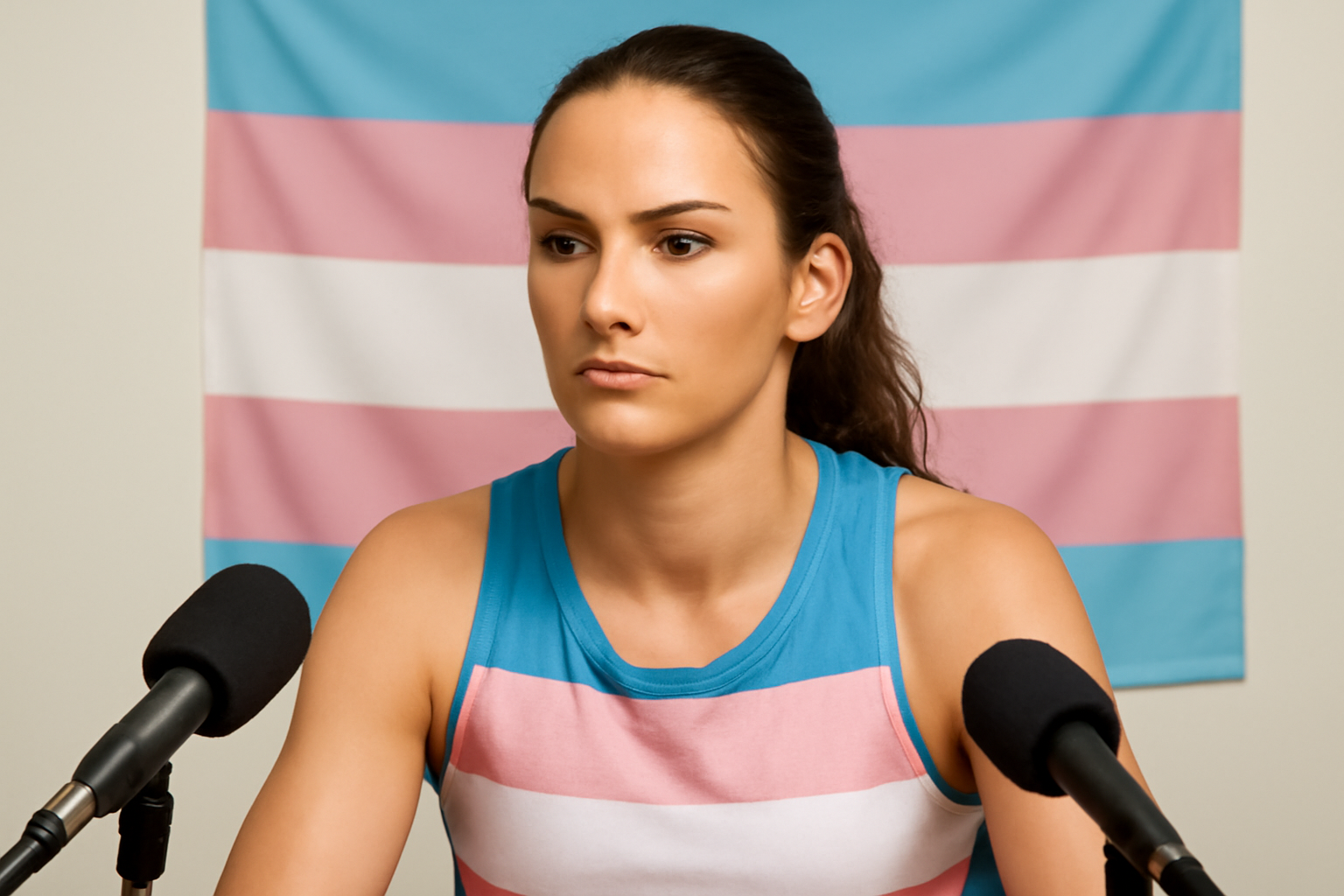
The recent executive orders from the Trump Administration aim to roll back rights for transgender Americans, drawing intense scrutiny and debate. Within a short span, these orders threaten to undo progress made for transgender equality, reminiscent of pre-civil rights era setbacks.
One of the major points of contention is the order banning gender-affirming care for individuals under 19 years old. While these orders were signed, legal challenges are already underway, such as a case in North Dakota where an endocrinologist is fighting a state law that penalizes medical providers offering this essential care to minors.
Gender-affirming care is often cited in discussions about fairness and safety, especially concerning transgender girls in sports. The debate is intensified by executive orders reinforcing a binary gender perspective, which some view as strategic public relations maneuvers intended to influence federal policies.
Legislative Moves Against Transgender Athletes
This issue extends to legislative efforts, with Republican majorities in Congress pushing for a federal ban on transgender girls and women competing in female sports categories. The U.S. House has already passed a measure, which aligns with a similar Senate proposal by Sen. Tommy Tuberville. However, overcoming a Senate filibuster remains a significant hurdle, requiring support from both sides of the aisle.
Despite these challenges, the potential legislative impact hinges on the ability to pass laws that could withdraw federal funding from institutions allowing transgender women to participate in women’s sports, a move some label as opposing "gender ideology."
Federal Regulations and Bostock v. Clayton County
Recent executive orders also directly challenge the Biden Administration’s interpretation of Bostock v. Clayton County, which established that discrimination based on sexual orientation or gender identity is a form of sex discrimination under Title IX. The Attorney General has been directed to issue guidance that supposedly "corrects" the perceived misapplication of this Supreme Court decision.
In practice, the impact of these orders may vary by state and level of competition. Already, 22 states have bans in place, while others face court injunctions. College athletics remain a contested space, as shown by cases like the San Jose State volleyball incident, where federal courts have sided against such bans.
Potential Legal Challenges
This year, the NCAA Division III track and field national championships are scheduled in Ohio, a state with new laws banning transgender women in sports. However, past legal challenges have overturned similar laws, suggesting that current bans could face significant legal resistance.
Montana previously saw its ban on transgender women competing in women's sports declared unconstitutional, setting a precedent that could influence future rulings. The uncertainty surrounding these laws reflects the broader unpredictability in the ongoing struggle for transgender rights in sports.
Ultimately, the effectiveness of these executive orders depends on the legislative landscape and legal battles ahead. While the orders aim to restrict transgender rights, their durability and impact remain uncertain amid ongoing advocacy and legal challenges.
Stay informed with our newsletter, featuring updates on LGBTQ athletes, stories of resilience, and crucial sports policy developments.
Tags: transgender rights, LGBTQ issues, sports legislation, gender equality, legal challenges
Related Posts
Supreme Court to Address State Bans on Trans Women in Female Sports
The upcoming U.S. Supreme Court term promises to be a pivotal moment for transgender rights, as the nation's highest court has agreed to evaluate whether states have the authority to prohibit transgender women from participating in female sports competitions. This case, scheduled to be argued in the next term beginning October, is expected to have a significant impact on the future of sports inclu [...]
Megan Rapinoe and Sue Bird Announce Amicable Separation After Ten Years Together
In a heartfelt announcement that resonated deeply within the sports and LGBTQ+ communities, soccer star Megan Rapinoe and basketball legend Sue Bird have revealed their decision to part ways after nearly a decade together. The couple, who have been icons both on and off the field, shared the news with their fans through a joint statement on social media, expressing that the choice was made with mu [...]
Groundbreaking Ruling Ends Sodomy Ban for Police and Military in the Dominican Republic
The Constitutional Court of the Dominican Republic recently delivered a landmark decision on November 18th, ruling that the nation’s police and armed forces are not permitted to criminalize consensual same-sex relations among their personnel. This pivotal ruling is a significant stride towards equality and the protection of LGBTQ+ rights within these institutions. A Resounding Victory for Equal [...]