
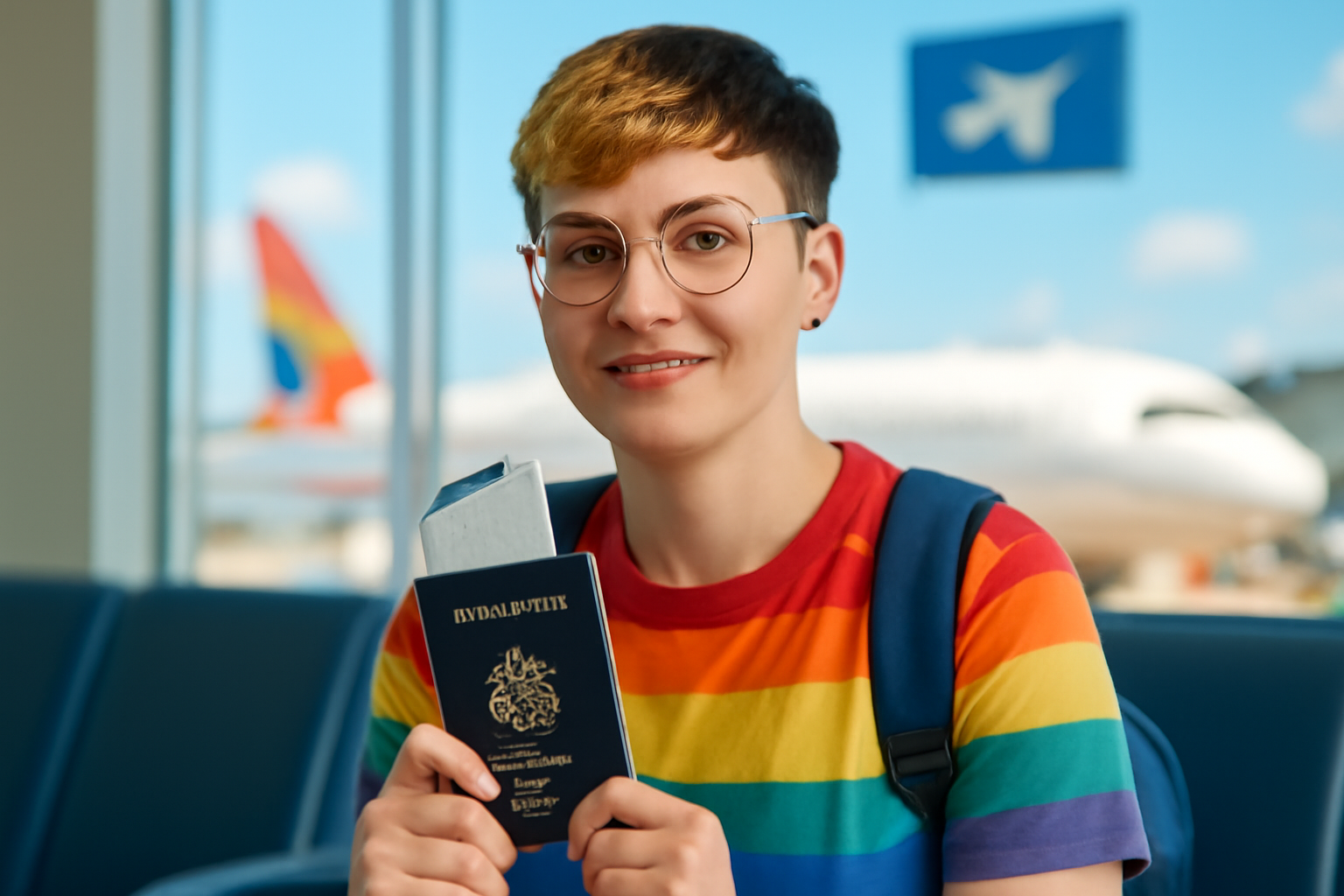
Rethinking gender in travel documents
In recent years, discussions around how gender identity should be recognized in travel documents have really started heating up. It might seem like a small thing, but it makes a huge difference in how people experience travel. For those who are non-binary or transgender, having documents that truly reflect their identity isn't just nice-to-have—it can be essential. It impacts their sense and security and how they're treated at airports and beyond. And let's face it, nobody wants extra anxiety or uncomfortable questions when they're just trying a peaceful trip.The hurdles with 'X' gender markers
Despite some progress, recent regulatory shifts have made it tough. Certain policies from past administrations have left airlines in a bind when it comes time recognize 'X' gender markers. It looks like they're stuck choosing between moving forward or being pushed back toward only 'M' and 'F' options. This not only sets back inclusivity but creates real challenges. For non-binary folks, it's frustrating and disheartening.What travelers face
The lack recognition has serious consequences. Forcing non-binary travelers choose a marker that doesn't fit can be emotionally taxing and lead awkward moments during airport security checks, where mismatches between IDs and tickets can cause delays and probing questions. Young people, too, who are just beginning express their authentic selves, can be especially impacted. It hurts their confidence and overall well-being.Airlines' steps toward inclusion
Even with these challenges, some airlines aren't giving up. They're finding ways support non-binary and transgender passengers by updating systems and pushing back against outdated regulations. Collaboration with advocacy groups government bodies plays a big part in these efforts, as they all aim wider recognition 'X' gender markers both nationally and internationally.The journey toward inclusive travel
The path towards inclusive travel documents isn't a quick one, but progress continues. Activists and community leaders are pushing hard policies that respect and recognize every traveler's identity. As awareness grows, there's hope that future regulations will consider all gender identities. This change wouldn't just improve travel experiences—it could foster a more inclusive and accepting society overall. Recognizing 'X' gender markers in travel documents marks an important step towards greater equality and inclusivity. By keeping up advocacy efforts, there's real hope fostering a travel environment that honors everyone's identity, giving people freedom and dignity as they explore our wide, wonderful.Related Posts
Supreme Court to Address State Bans on Trans Women in Female Sports
The upcoming U.S. Supreme Court term promises to be a pivotal moment for transgender rights, as the nation's highest court has agreed to evaluate whether states have the authority to prohibit transgender women from participating in female sports competitions. This case, scheduled to be argued in the next term beginning October, is expected to have a significant impact on the future of sports inclu [...]
Megan Rapinoe and Sue Bird Announce Amicable Separation After Ten Years Together
In a heartfelt announcement that resonated deeply within the sports and LGBTQ+ communities, soccer star Megan Rapinoe and basketball legend Sue Bird have revealed their decision to part ways after nearly a decade together. The couple, who have been icons both on and off the field, shared the news with their fans through a joint statement on social media, expressing that the choice was made with mu [...]
Groundbreaking Ruling Ends Sodomy Ban for Police and Military in the Dominican Republic
The Constitutional Court of the Dominican Republic recently delivered a landmark decision on November 18th, ruling that the nation’s police and armed forces are not permitted to criminalize consensual same-sex relations among their personnel. This pivotal ruling is a significant stride towards equality and the protection of LGBTQ+ rights within these institutions. A Resounding Victory for Equal [...]