
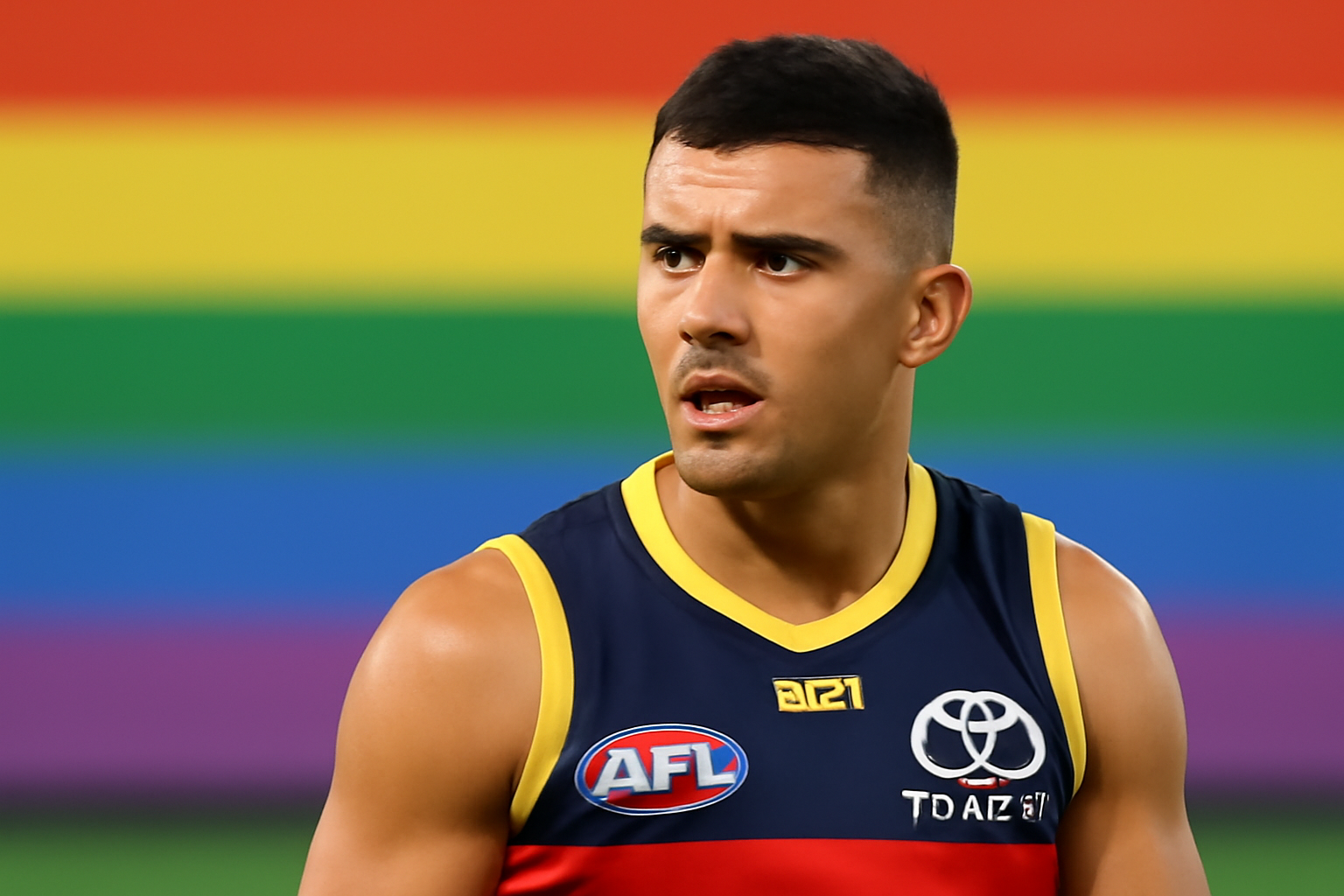
The AFL incident at a glance
This controversy kicked off during a match between Adelaide Crows and Collingwood Football Club. The club quickly flagged it with AFL's Integrity Unit, who launched a thorough investigation. Initially, Rankine was given a five-match ban. However, after a "compelling medical submission" from his club, it was cut down by one match. This decision has stirred debate and drawn significant media attention. AFL CEO Andrew Dillon addressed reporters, acknowledging that medical factors were considered but without sharing details. "Our focus remains on upholding game integrity while prioritizing player welfare," Dillon said.How Adelaide Football Club responded
Tim Silvers, CEO at Adelaide Football Club, voiced his concern about Rankine, highlighting how committed they are in supporting him through these tough times. "He's truly sorry and feels regretful about his actions," Silvers remarked. "We're here as part and parcel with him, like an extended family." Rankine publicly apologized, admitting, "I'm regretful about using that word and deeply sorry. Such language shouldn't be in football or anywhere." He's now set on a path toward personal growth and learning from this event. Silvers reiterated their core values, stating that such language doesn't align with what their organization stands by. "We strive towards fostering a culture that's respectful and inclusive," he stated.The ripple effects and community's take
Rankine isn't alone; he's added his name alongside other AFL players sanctioned over similar conduct. This pattern pinpoints a problem that needs tackling within sports. Earlier, Jack Graham from West Coast Eagles faced a similar four-match ban. The Rainbow Crows, an LGBTQ+ supporter group linked with Adelaide Football Club, expressed their disappointment, emphasizing how such language impacts their community. "When a player uses a homophobic slur, it affects our whole LGBTQIA+ network," they said. "It highlights an ongoing issue where these words are used disparagingly." They stressed an urgent need within AFL culture, prompting public figures toward setting better examples. "We hope both Izak and AFC draw lessons from this incident and seek improvement," they added.Aiming towards inclusivity and learning
Adelaide's coach, Matthew Nicks, made it clear that Rankine isn't a victim here. "He knows he messed up, and we're working with him so it doesn't happen again," Nicks commented. "Education and awareness are key as we strive towards a more inclusive setting." This incident shines a light on cultural challenges that go beyond just sports. As discussions about inclusivity and respect keep evolving, AFL and its teams are being pushed towards taking more proactive steps in creating an environment that feels welcoming across all lines. AFL remains steadfast in addressing these issues, emphasizing player, staff, and community education on respectful behavior. Their ongoing efforts aim at wiping out homophobic language from sport and fostering a culture built on acceptance and respect. As AFL and its clubs work toward these objectives, their impact will be felt throughout communities, reinforcing equality and respect—values that sport takes pride in promoting. The journey toward inclusivity continues, with incidents like these acting as catalysts propelling change and growth.Related Posts
Supreme Court to Address State Bans on Trans Women in Female Sports
The upcoming U.S. Supreme Court term promises to be a pivotal moment for transgender rights, as the nation's highest court has agreed to evaluate whether states have the authority to prohibit transgender women from participating in female sports competitions. This case, scheduled to be argued in the next term beginning October, is expected to have a significant impact on the future of sports inclu [...]
Megan Rapinoe and Sue Bird Announce Amicable Separation After Ten Years Together
In a heartfelt announcement that resonated deeply within the sports and LGBTQ+ communities, soccer star Megan Rapinoe and basketball legend Sue Bird have revealed their decision to part ways after nearly a decade together. The couple, who have been icons both on and off the field, shared the news with their fans through a joint statement on social media, expressing that the choice was made with mu [...]
Groundbreaking Ruling Ends Sodomy Ban for Police and Military in the Dominican Republic
The Constitutional Court of the Dominican Republic recently delivered a landmark decision on November 18th, ruling that the nation’s police and armed forces are not permitted to criminalize consensual same-sex relations among their personnel. This pivotal ruling is a significant stride towards equality and the protection of LGBTQ+ rights within these institutions. A Resounding Victory for Equal [...]