
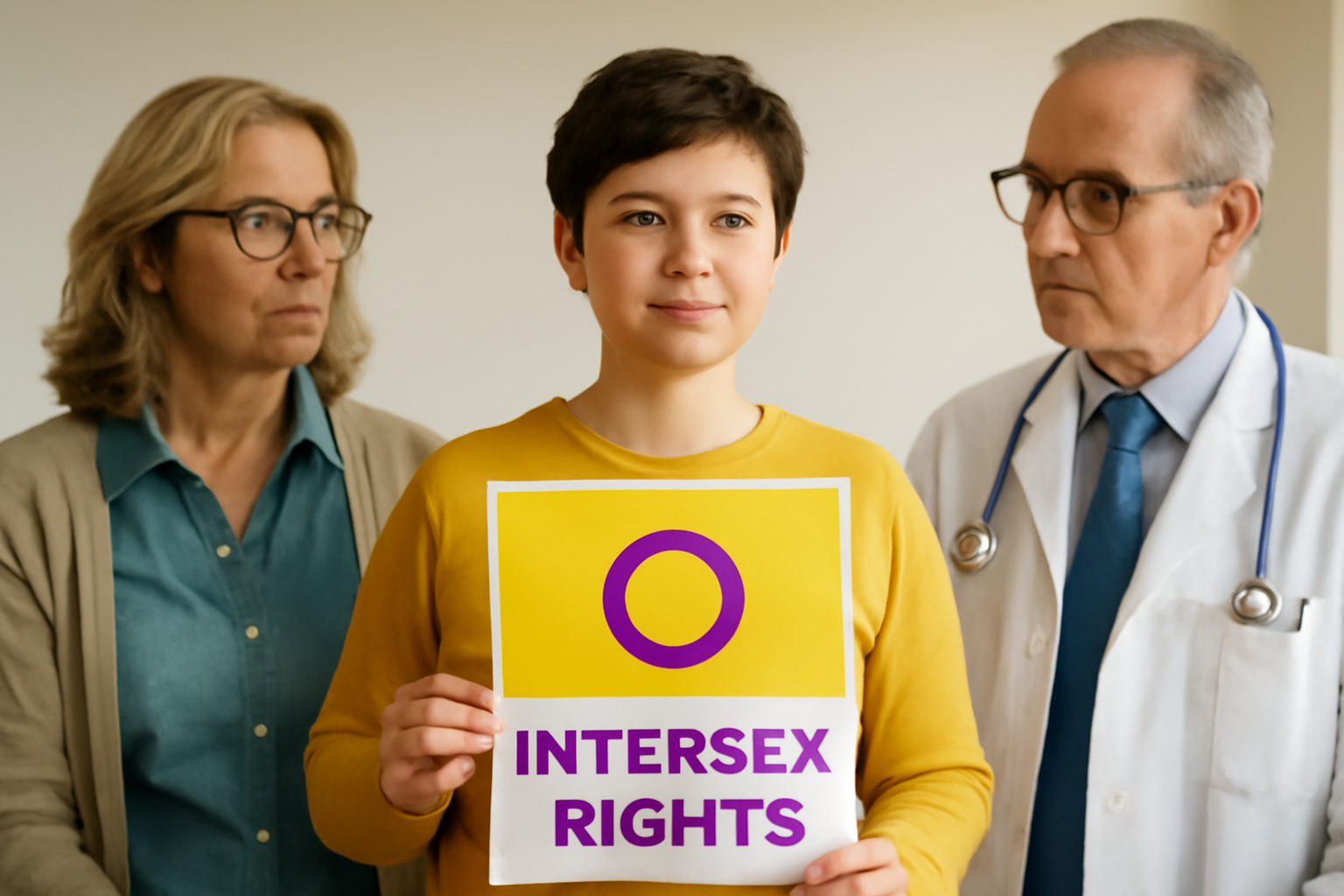
The issue surrounding nonconsensual surgeries on intersex individuals has been front and center in discussions among human rights activists, doctors, and intersex people themselves. But recently, we've seen a big leap forward as government health bodies start standing up against these controversial medical practices.
What does it mean being intersex?
Intersex folks are born with sex traits that don't strictly match what we'd typically think about male or female bodies. This could involve differences in genitalia, chromosomes, or reproductive organs. Historically, many intersex infants and kids have faced surgeries aimed at making their bodies fit societal norms, usually without their consent. These procedures can lead not just physical, but also emotional and psychological repercussions that last a lifetime.
Building momentum against unwanted surgeries
We've seen a real shift in momentum against these nonconsensual surgeries in recent decades. Intersex advocates and human rights groups have been shouting loud and clear about how these surgeries can harm individuals. They make a strong case that these procedures violate a person's right over their own body, especially when performed at an age too young even comprehend, let alone consent.
Thankfully, health authorities are waking up and taking notice. They're starting see these surgeries through a different lens, acknowledging how they often go against medical ethics and human rights. The guiding principle in medicine has always been "do no harm," and surgeries without consent simply don't uphold this.
The role Health and Human Services plays
Health and Human Services made headlines with its recent announcement, taking a bold stand in favor intersex rights by denouncing nonconsensual surgeries. This move sets a powerful example other health organizations can follow. Not only does it raise awareness, it nudges medical professionals rethink how they handle intersex healthcare.
The agency's stance comes after deep dives research and talks with experts, advocates, and those who've been directly affected. They underscore just how critical it that informed consent becomes central in healthcare discussions. It's about having honest chats with intersex people and their families so they can make decisions about their bodies.
The need education and advocacy
Education coupled with advocacy are key driving shifts in how society and medicine view intersex variations. There's a strong push make sure medical schools and professional groups embed thorough intersex education in their training. This education aims clear up misconceptions, promoting a more inclusive and respectful route intersex care.
Advocacy voices are growing louder, pressing legal safeguards and making sure intersex individuals access supportive healthcare devoid coercion and unnecessary procedures. They offer resources, create support networks, and build a community that empowers intersex individuals and their families.
A call everyone act together
Health and Human Services' stance isn't just a declaration; it's a rallying cry governments, medical bodies, and society as whole. It pushes us rethink intersex variations, prioritize their rights, and work towards policies that ensure protection. This includes advocating informed consent and diving deeper research how medical interventions play out in long-term.
As awareness spreads, we can hope a future where intersex individuals are celebrated their diversity, given dignity, and shown respect they deserve. This vision requires teamwork and commitment from every corner society, so everyone can enjoy life without discrimination or harm.
In wrapping up, these recent strides in intersex advocacy represent a vital change in acknowledging intersex peoples' rights. By challenging nonconsensual surgeries, health organizations are paving a path where intersex individuals can enjoy autonomy and support needed thrive.
Let's keep pushing, uniting our efforts, so we can craft a society where intersex people are valued and empowered steer their own lives.
Related Posts
Supreme Court to Address State Bans on Trans Women in Female Sports
The upcoming U.S. Supreme Court term promises to be a pivotal moment for transgender rights, as the nation's highest court has agreed to evaluate whether states have the authority to prohibit transgender women from participating in female sports competitions. This case, scheduled to be argued in the next term beginning October, is expected to have a significant impact on the future of sports inclu [...]
Megan Rapinoe and Sue Bird Announce Amicable Separation After Ten Years Together
In a heartfelt announcement that resonated deeply within the sports and LGBTQ+ communities, soccer star Megan Rapinoe and basketball legend Sue Bird have revealed their decision to part ways after nearly a decade together. The couple, who have been icons both on and off the field, shared the news with their fans through a joint statement on social media, expressing that the choice was made with mu [...]
Groundbreaking Ruling Ends Sodomy Ban for Police and Military in the Dominican Republic
The Constitutional Court of the Dominican Republic recently delivered a landmark decision on November 18th, ruling that the nation’s police and armed forces are not permitted to criminalize consensual same-sex relations among their personnel. This pivotal ruling is a significant stride towards equality and the protection of LGBTQ+ rights within these institutions. A Resounding Victory for Equal [...]