
20 European Nations Demand Response to Hungarian LGBTQ+ Pride Ban
In a significant move, 20 European Union member states have united to demand action against Hungary's recent legislation banning LGBTQ+ Pride marches. This controversial law, championed by Prime Minister Viktor Orbán and his ruling Fidesz party, was enacted in March and has sparked widespread concern across the European continent.
The law imposes hefty fines, reaching up to 200,000 forints (approximately £420 or $550), on organizers and participants of events like Budapest Pride. In addition, it grants law enforcement the authority to employ facial recognition technology to identify and penalize individuals attending these gatherings. Such measures have raised alarms about potential breaches of privacy and civil liberties.
In a unified statement, the governments of 20 EU countries expressed their dismay at Hungary's legislative actions, which they believe infringe upon the fundamental rights of LGBTQ+ citizens. They emphasized their "deep concern" over the recent legislative and constitutional amendments passed by the Hungarian parliament, which undermine the fundamental values of human dignity, freedom, equality, and respect for human rights. The coalition of nations is urging Hungary to reassess its measures and ensure the protection of human rights and fundamental freedoms for all its citizens, in line with international obligations.
The call to action was endorsed by representatives from Austria, Belgium, Cyprus, the Czech Republic, Denmark, Estonia, Finland, France, Germany, Greece, Ireland, Latvia, Lithuania, Luxembourg, Malta, the Netherlands, Portugal, Slovenia, Spain, and Sweden. This broad coalition highlights the gravity of the situation and the shared values of the European Union regarding human rights and equality.
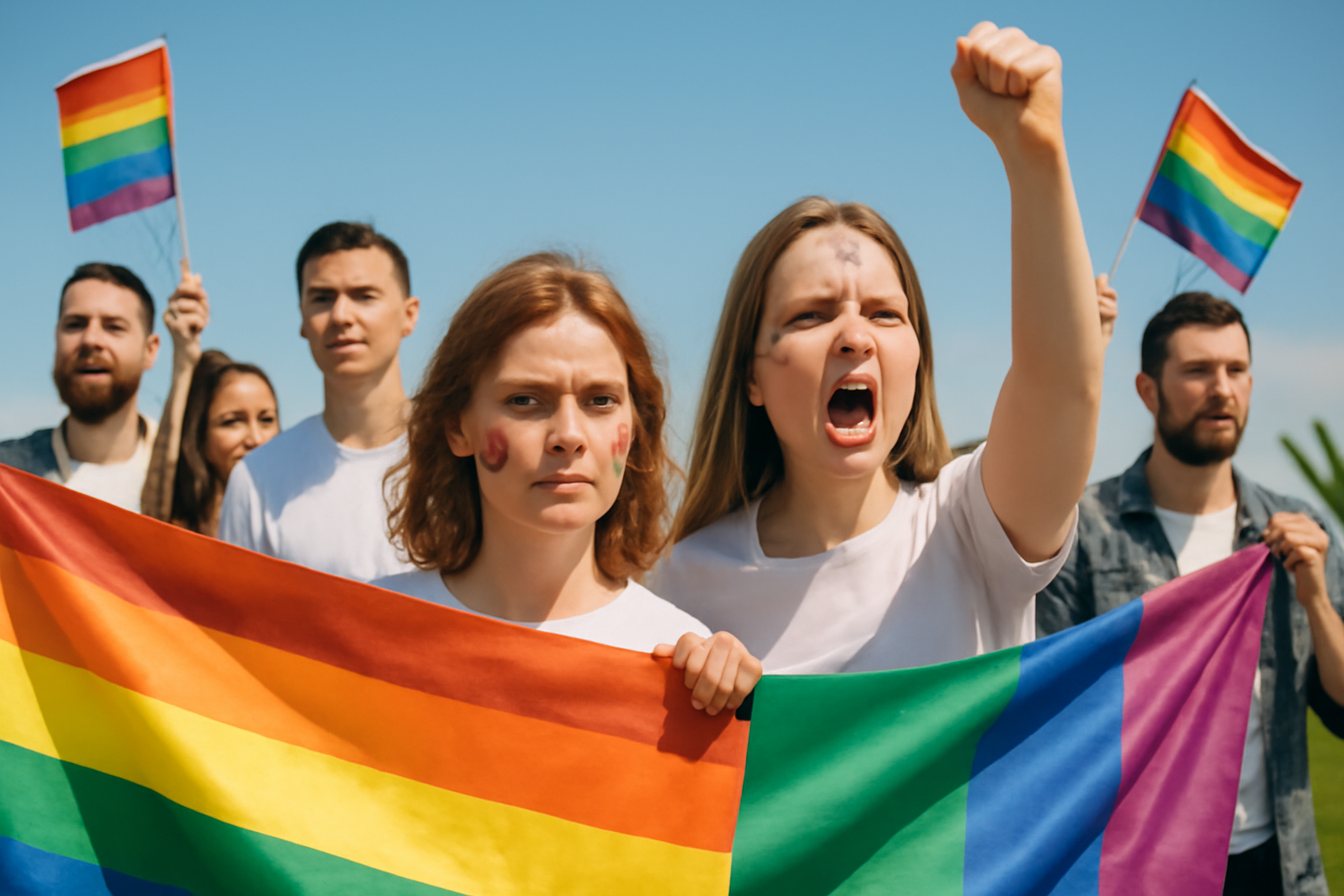
The implementation of this ban has ignited protests throughout Hungary, including a notable "Gray Pride" march. Advocates for LGBTQ+ rights argue that the Hungarian government's justification for the ban, purportedly to protect children, is a guise to distract from pressing domestic issues. They contend that the legislation does not safeguard minors but instead marginalizes and stigmatizes the LGBTQ+ community.
Legal experts and human rights activists have voiced strong opposition to the ban, pointing out its detrimental impact on the transgender and intersex communities. One lawyer criticized the legislation for "humiliating" these groups and curtailing their rights. In solidarity, 22 embassies, including those of France, Germany, and the United Kingdom, have co-signed an open letter condemning the ban for restricting the right to peaceful assembly and the freedom of expression.
The backdrop to this development includes Hungary's recent constitutional changes, which assert the recognition of only two sexes, echoing similar policies enacted by the former U.S. administration under President Donald Trump. These changes have been met with international criticism, reflecting a broader struggle over LGBTQ+ rights on the global stage.
As the situation unfolds, it remains crucial for advocates and citizens alike to engage in meaningful dialogue and advocacy. The actions of these 20 EU countries signify a collective stand against policies that threaten the rights of LGBTQ+ individuals and underscore the importance of solidarity in the fight for equality and justice.
Share your thoughts with us! We invite our community to discuss this topic in the comments below, and we encourage everyone to maintain a respectful and constructive discourse.
Related Posts
Supreme Court to Address State Bans on Trans Women in Female Sports
The upcoming U.S. Supreme Court term promises to be a pivotal moment for transgender rights, as the nation's highest court has agreed to evaluate whether states have the authority to prohibit transgender women from participating in female sports competitions. This case, scheduled to be argued in the next term beginning October, is expected to have a significant impact on the future of sports inclu [...]
Megan Rapinoe and Sue Bird Announce Amicable Separation After Ten Years Together
In a heartfelt announcement that resonated deeply within the sports and LGBTQ+ communities, soccer star Megan Rapinoe and basketball legend Sue Bird have revealed their decision to part ways after nearly a decade together. The couple, who have been icons both on and off the field, shared the news with their fans through a joint statement on social media, expressing that the choice was made with mu [...]
Groundbreaking Ruling Ends Sodomy Ban for Police and Military in the Dominican Republic
The Constitutional Court of the Dominican Republic recently delivered a landmark decision on November 18th, ruling that the nation’s police and armed forces are not permitted to criminalize consensual same-sex relations among their personnel. This pivotal ruling is a significant stride towards equality and the protection of LGBTQ+ rights within these institutions. A Resounding Victory for Equal [...]