
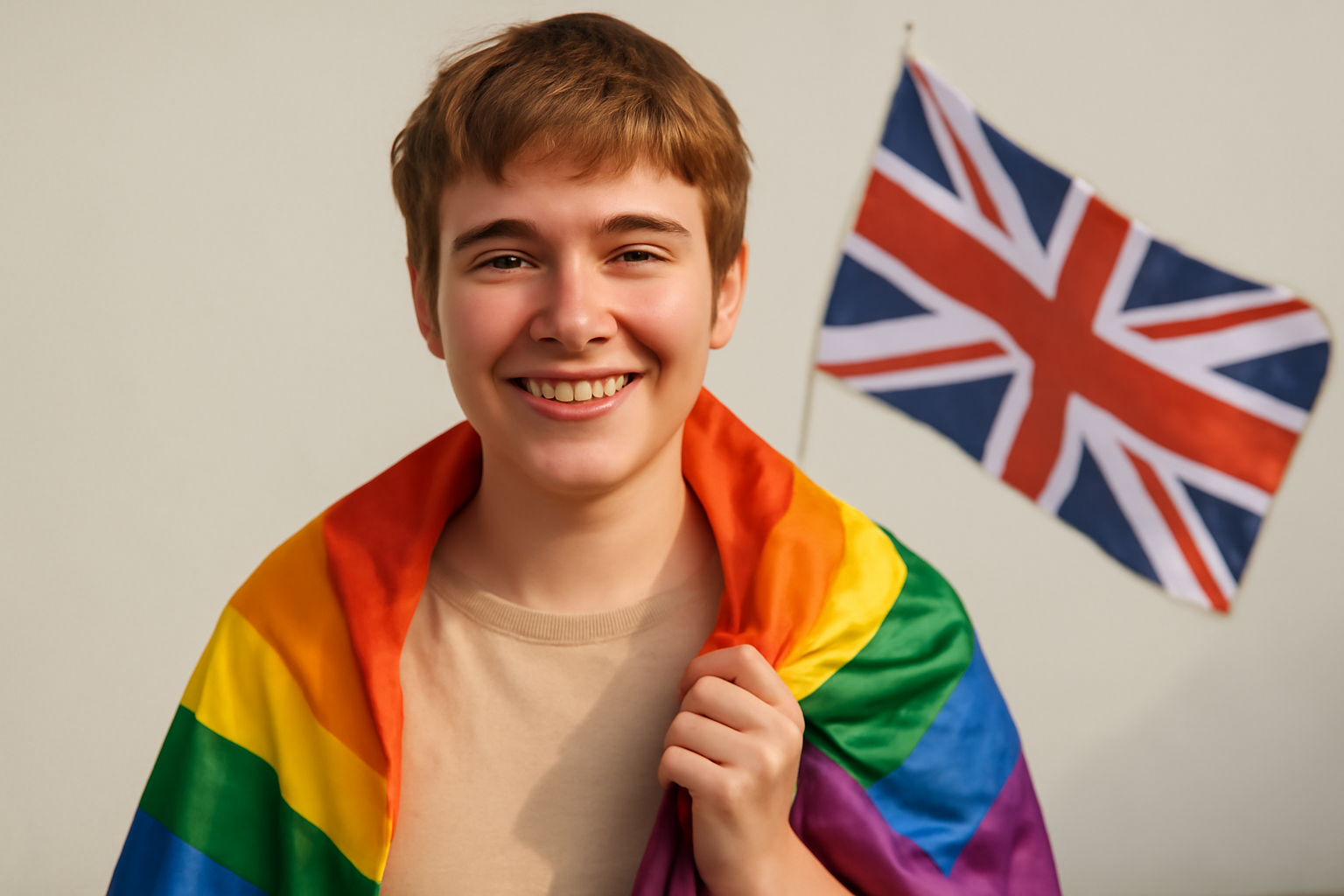
The landscape of sexual orientation identification among young adults in the United Kingdom has undergone a remarkable transformation over the past decade. Recent data indicates a significant rise in the number of 16-24-year-olds identifying as lesbian, gay, or bisexual (LGB).
A Decade of Change
According to the latest figures, one in ten young adults in this age group now identifies as part of the LGB community. This data, a part of a comprehensive report from the Office for National Statistics (ONS), highlights the dynamic shift in sexual orientation self-identification among younger generations.
In 2023, the ONS reported that 10.4% of individuals aged 16 to 24 identified as LGB. This is a notable increase from previous years, underscoring a growing visibility and acceptance of diverse sexual orientations. The Annual Population Survey reveals that this percentage has risen by at least 2.8% since 2018. The surge is primarily attributed to a rise in individuals identifying as bisexual.
Bisexuality on the Rise
A deeper look into the statistics reveals an even more pronounced change regarding bisexual identification. In 2023, 7.5% of 16-24-year-olds identified as bisexual, a significant leap from 2.8% in 2018. The data further indicates a gender difference; 9.2% of young women identify as bisexual compared to 5.9% of young men.
Despite the increase in bisexuality, overall data shows that men are slightly more likely to identify as LGB compared to women, with 4.2% of men and 3.4% of women identifying as such. These numbers demonstrate the nuanced changes within the LGB community, influenced by cultural, social, and personal factors.
Broader Age Group Trends
Across all age groups, an estimated 2.1 million people, or 3.8% of the population, identified as lesbian, gay, or bisexual in 2023. This broad data set reveals interesting trends across different demographics.
The age group showing the least likelihood to identify as LGB were those aged 65 and over, with a mere 0.9% identifying as such. Meanwhile, 6.3% of individuals aged 25-34 identified as LGB, along with 2.9% of those aged 35-49, and 2.4% of those aged 50-64.
Voices and Implications
Simon Blake, CEO of a leading LGBTQ+ rights organization, commented on this evolving landscape. He described the statistics as a "timely reminder" of the growing presence and influence of LGB individuals within the UK.
Blake emphasized the importance of this demographic shift, particularly among the youth, in shaping future workplaces, politics, and societal norms. "The more than one in ten of 16-24 year olds identifying as LGB will be a crucial part of our workplaces, politics, and lives," Blake stated. "They will have colleagues, friends, and families who support them and they will deserve – and demand – equal rights and opportunities."
He further urged organizations and governments to recognize the implications of these changing demographics. "This data should be a wake-up call to those who are rolling back their commitments to LGBTQ+ rights and inclusion. With these changing demographics, regressive policies and ideals won’t stand the test of time," Blake asserted. "Those who want to ensure a more secure and prosperous future must stand firm in their commitment to equality and inclusion for all, despite the politics of the moment."
The Future of LGBTQ+ Inclusion
These statistics not only reflect a shift in identification but also signal broader societal changes. As younger generations increasingly embrace diverse sexual orientations, they challenge traditional norms and push for more inclusive policies and practices.
The data serves as both a reflection of current societal trends and a predictor of future changes. As acceptance and visibility continue to grow, it is crucial for institutions and policymakers to adapt and ensure that the rights and needs of the LGB community are acknowledged and addressed.
The increase in young adults identifying as LGB is a testament to the ongoing journey towards acceptance, diversity, and equality. It highlights the need for continual advocacy and support for the LGBTQ+ community and underscores the role of every individual and institution in fostering an inclusive environment for all.
Related Posts
Supreme Court to Address State Bans on Trans Women in Female Sports
The upcoming U.S. Supreme Court term promises to be a pivotal moment for transgender rights, as the nation's highest court has agreed to evaluate whether states have the authority to prohibit transgender women from participating in female sports competitions. This case, scheduled to be argued in the next term beginning October, is expected to have a significant impact on the future of sports inclu [...]
Megan Rapinoe and Sue Bird Announce Amicable Separation After Ten Years Together
In a heartfelt announcement that resonated deeply within the sports and LGBTQ+ communities, soccer star Megan Rapinoe and basketball legend Sue Bird have revealed their decision to part ways after nearly a decade together. The couple, who have been icons both on and off the field, shared the news with their fans through a joint statement on social media, expressing that the choice was made with mu [...]
Groundbreaking Ruling Ends Sodomy Ban for Police and Military in the Dominican Republic
The Constitutional Court of the Dominican Republic recently delivered a landmark decision on November 18th, ruling that the nation’s police and armed forces are not permitted to criminalize consensual same-sex relations among their personnel. This pivotal ruling is a significant stride towards equality and the protection of LGBTQ+ rights within these institutions. A Resounding Victory for Equal [...]