
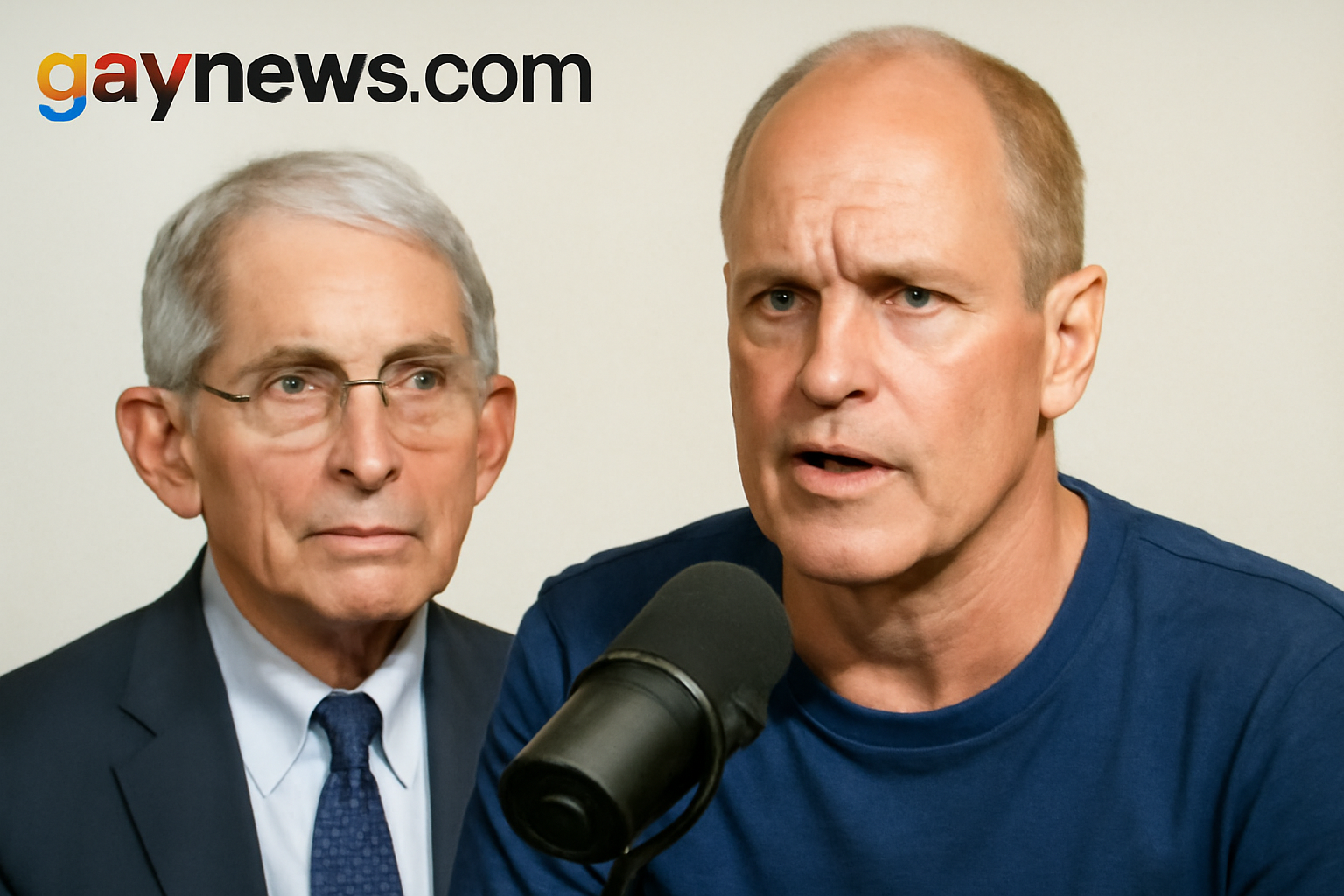
Understanding AZT's role in HIV/AIDS treatment
AZT was truly a milestone in HIV/AIDS treatment history. As soon as it got FDA approval, it became a beacon in our collective battle against this devastating epidemic. Was it a cure-all? No. But it did slow down HIV, giving people more time, which was everything back then. The stats didn't lie: a 1989 study revealed that AIDS patients taking AZT had a median survival rate that was 4.5 times longer than those who didn't. Back in a time when hope was scarce, AZT brought a sliver back.Harrelson's controversial take
Despite all that, Harrelson was not having it. He labeled AZT as "highly toxic and really ineffective," even claiming, "That killed friends." To him, AZT wasn't helpful; it was harmful. He argued, "AZT was very toxic, and they finally had it yanked. Now they use different chemical cocktails, but Fauci did some extraordinarily evil things." Harrelson wasn't alone in his critique; he found an ally in Robert F. Kennedy Jr., whom he praised as "heroic" and someone who truly "cares deeply." Dr. Fauci, leading NIAID from 1984 until very recently, had a front-row seat—and more often than not, a hand on deck—during America‘s fight against HIV/AIDS. While AZT had its fair share (or maybe more) in terms side effects, many credit it as a life-saving bridge that led us from early treatments toward today's more advanced therapies.The impact misinformation has on public health
Harrelson's take on AZT and Dr. Fauci doesn't exist in a vacuum; it's tied up with a broader network riddled with conspiracy theories that Harrelson has been part and parcel with, especially concerning COVID-19. This kindling pile easily ignites public distrust, leading down potentially risky roads when it comes from both historic and ongoing public health matters. Looking back at how we've tackled HIV/AIDS, we've got a myriad decisions made in limited lights. The debate over AZT didn't happen in isolation; it was part momentum, part movement. But it paved paths, leading us eventually toward HAART in mid-1990s that truly transformed life expectancies.Moving forward: engaging in informed dialogue
Today, many from LGBTQ+ communities still grapple with barriers around healthcare and stigma—stark reminders that when we tackle issues like these, we need empathy and understanding. Harrelson's words might spark some heated talks, but it's grounding them in rock-solid facts and historical accuracy that keeps dialogue productive. In this torrent age where misinformation whirls at breakneck speeds, it falls on public figures—and those who print their words—to encourage informed, meaningful exchanges. As we look back at how treatments like AZT shaped our strategies, it underscores why scientific exploration and data-driven public health response matter so much. We're here cheering everyone—especially our community—to dive deep, stay woke, and keep tabs on big issues. For more insights on how these affect LGBTQ+ lives, subscribe and stay part in these conversations. Our journey toward equality and health continues.Related Posts
Supreme Court to Address State Bans on Trans Women in Female Sports
The upcoming U.S. Supreme Court term promises to be a pivotal moment for transgender rights, as the nation's highest court has agreed to evaluate whether states have the authority to prohibit transgender women from participating in female sports competitions. This case, scheduled to be argued in the next term beginning October, is expected to have a significant impact on the future of sports inclu [...]
Megan Rapinoe and Sue Bird Announce Amicable Separation After Ten Years Together
In a heartfelt announcement that resonated deeply within the sports and LGBTQ+ communities, soccer star Megan Rapinoe and basketball legend Sue Bird have revealed their decision to part ways after nearly a decade together. The couple, who have been icons both on and off the field, shared the news with their fans through a joint statement on social media, expressing that the choice was made with mu [...]
Groundbreaking Ruling Ends Sodomy Ban for Police and Military in the Dominican Republic
The Constitutional Court of the Dominican Republic recently delivered a landmark decision on November 18th, ruling that the nation’s police and armed forces are not permitted to criminalize consensual same-sex relations among their personnel. This pivotal ruling is a significant stride towards equality and the protection of LGBTQ+ rights within these institutions. A Resounding Victory for Equal [...]