
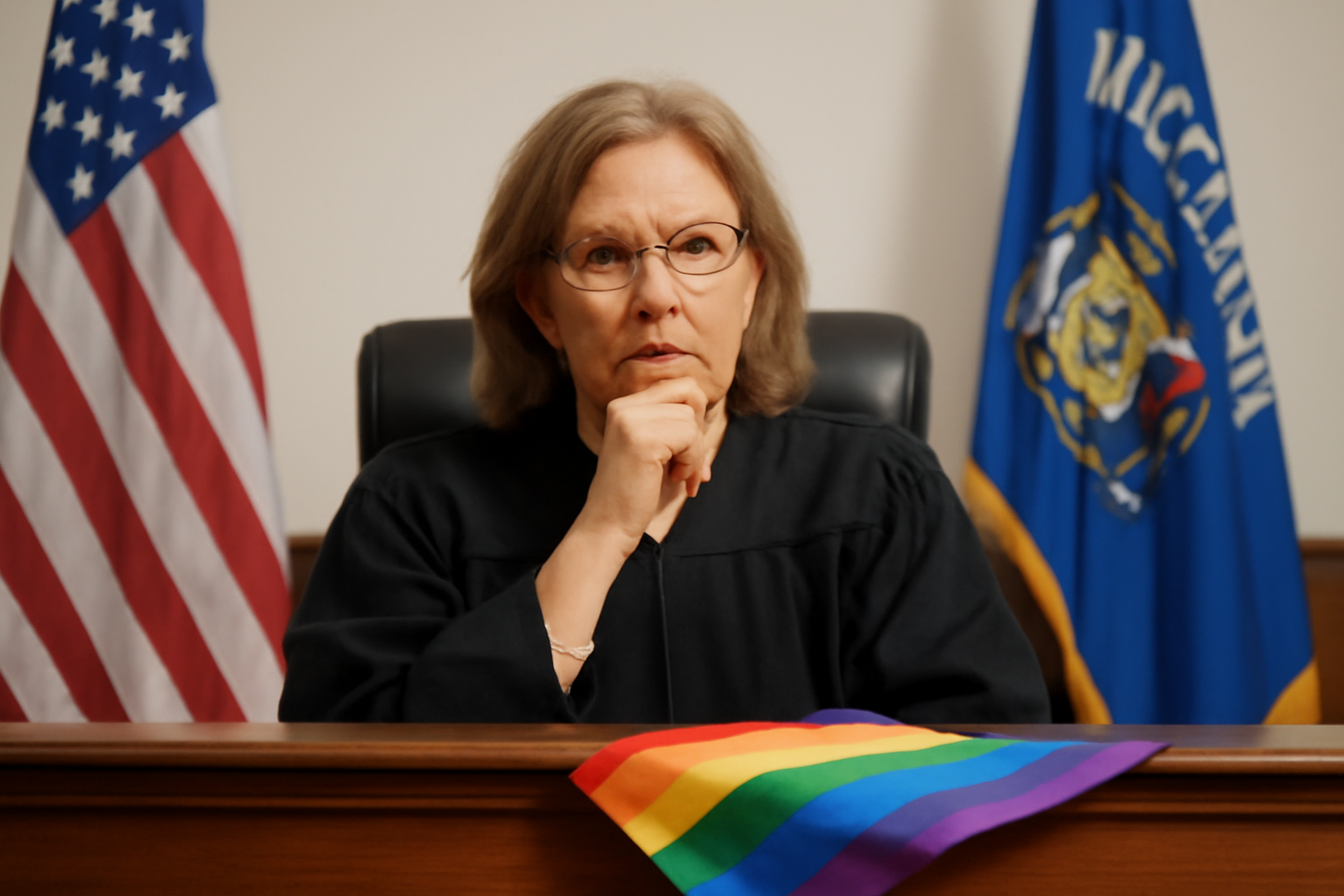
In a pivotal case that could have far-reaching implications for LGBTQ+ rights in Wisconsin, the state's Supreme Court is currently deliberating on the constitutionality of a law that bans conversion therapy for minors. Conversion therapy, a controversial practice aimed at changing an individual's sexual orientation or gender identity, has been widely discredited by major psychological associations and condemned for its harmful effects on youth.
The law in question was enacted to protect LGBTQ+ minors from undergoing a practice that many experts consider not only ineffective but also damaging. Proponents of the ban argue that conversion therapy poses a significant risk to young people's mental health, leading to increased rates of depression, anxiety, and even suicide among those who undergo it.
Background of the Ban
The ban on conversion therapy in Wisconsin was introduced as part of a broader effort to safeguard LGBTQ+ youth from discriminatory practices. Several states across the United States have enacted similar bans, reflecting a growing recognition of the dangers associated with attempting to alter an individual’s sexual orientation or gender identity against their will.
Supporters of the ban highlight the overwhelming consensus among mental health professionals who assert that conversion therapy is not only ineffective but also unethical. Organizations such as the American Psychological Association and the American Medical Association have publicly denounced the practice, citing extensive research that underscores its potential to cause harm.
Legal Challenge to the Ban
The current legal challenge to the ban has been brought forward by a group of practitioners and organizations who argue that the law infringes upon their freedom of speech and religious rights. They contend that the ban limits their ability to provide counseling that aligns with their personal beliefs and those of their clients.
In court, these challengers claim that the ban is overly broad and restricts conversations that could be beneficial to some individuals seeking guidance on their sexual orientation or gender identity. They argue for a more nuanced approach that allows for voluntary conversations, distinguishing them from coercive practices.
Implications for LGBTQ+ Rights
The case has garnered significant attention from LGBTQ+ rights advocates and legal experts, who view the outcome as a potential precedent for similar cases nationwide. An affirmation of the ban by the Wisconsin Supreme Court could strengthen efforts to outlaw conversion therapy across the country, while a decision to overturn it could embolden those seeking to challenge existing bans in other states.
Many civil rights groups have filed amicus briefs in support of the ban, emphasizing the state's responsibility to protect minors from harm. They argue that allowing conversion therapy undermines the well-being of LGBTQ+ youth and perpetuates stigmatization and discrimination.
The Human Impact
Beyond the legal arguments, the human impact of conversion therapy is at the forefront of this debate. Survivors of conversion therapy have shared harrowing stories of the psychological and emotional distress they endured as a result of the practice. These personal accounts highlight the urgent need for legal protections against such harmful interventions.
For many LGBTQ+ individuals, the ban represents a critical step towards acceptance and equality. It acknowledges the inherent dignity of all individuals, regardless of their sexual orientation or gender identity, and seeks to foster a more inclusive society.
Looking Ahead
As the Wisconsin Supreme Court deliberates, communities across the state and the nation await a decision that could shape the future of LGBTQ+ rights and youth protection laws. The ruling will not only affect those in Wisconsin but could also influence legal strategies and advocacy efforts in other states considering similar legislation.
Whatever the outcome, the debate surrounding conversion therapy and LGBTQ+ rights remains a crucial conversation about the values and principles that guide our society. It challenges us to reflect on how we protect our most vulnerable populations and ensure that all individuals can live authentically and without fear.
Related Posts
Supreme Court to Address State Bans on Trans Women in Female Sports
The upcoming U.S. Supreme Court term promises to be a pivotal moment for transgender rights, as the nation's highest court has agreed to evaluate whether states have the authority to prohibit transgender women from participating in female sports competitions. This case, scheduled to be argued in the next term beginning October, is expected to have a significant impact on the future of sports inclu [...]
Megan Rapinoe and Sue Bird Announce Amicable Separation After Ten Years Together
In a heartfelt announcement that resonated deeply within the sports and LGBTQ+ communities, soccer star Megan Rapinoe and basketball legend Sue Bird have revealed their decision to part ways after nearly a decade together. The couple, who have been icons both on and off the field, shared the news with their fans through a joint statement on social media, expressing that the choice was made with mu [...]
Groundbreaking Ruling Ends Sodomy Ban for Police and Military in the Dominican Republic
The Constitutional Court of the Dominican Republic recently delivered a landmark decision on November 18th, ruling that the nation’s police and armed forces are not permitted to criminalize consensual same-sex relations among their personnel. This pivotal ruling is a significant stride towards equality and the protection of LGBTQ+ rights within these institutions. A Resounding Victory for Equal [...]