
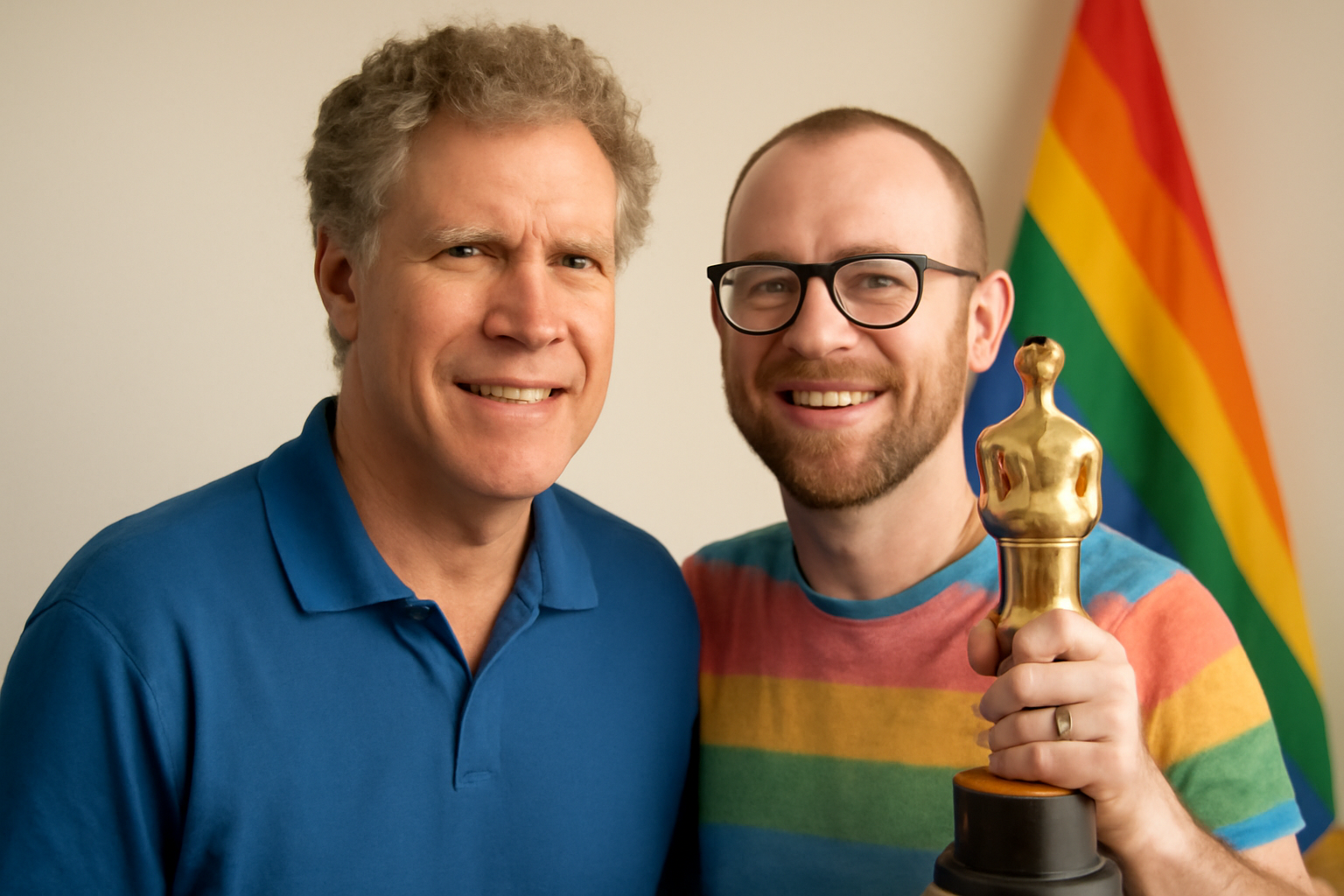
The documentary “Will & Harper” has been steadily building momentum since its release on Netflix, captivating audiences with its unique blend of sports and personal journey narratives. The film has attracted significant Oscars buzz, particularly after being longlisted among 15 documentaries for the upcoming Academy Awards, with final nominations set to be announced on January 19.
For those unfamiliar with the documentary, it follows the comedic icon Will Ferrell and his friend, Harper Steele, an Emmy Award-winning writer, as they embark on a road trip from New York City to California. This journey marks Steele's first road trip since publicly coming out as a trans woman, providing a backdrop for exploring themes of identity and acceptance within sports culture.
Bridging Sports and Identity
The film provides a candid look at how sports can both challenge and affirm personal identity. Steele, who is seen attending an NBA game between the Indiana Pacers and the Philadelphia 76ers, shares her anxieties about returning to sports events post-transition. This particular game marks her first time in such an environment since coming out, a significant moment captured with both humor and poignancy.
Steele candidly discusses her past use of sports as a way to conform to traditional male stereotypes, stating, “I used sports all the time to let people know that I was not a woman. Not that women can’t like sports, but I was trying to be ‘that guy’... by doing that all the time, I did learn a lot about sports and I do kind of like it.” Her reflections underscore the complex relationship many LGBTQ individuals have with traditionally masculine spaces.
Navigating Public Spaces
Throughout the documentary, Steele and Ferrell navigate both supportive and challenging encounters, such as a meeting with Indiana Governor Eric Holcombe. While Holcombe is keen to be seen with Ferrell, he remains aloof regarding Steele’s identity as a trans woman. These interactions highlight the ongoing challenges of acceptance and inclusion within public and sports spaces.
Director Josh Greenbaum presents these moments with sensitivity, allowing viewers to witness their impact without dwelling on negativity. Instead, the focus shifts to the empathy Ferrell develops for Steele, broadening his understanding of her lived experience.
In contrast, Steele recounts feeling much safer and more welcomed during her appearance at the Golden State Warriors' “LGBTQ+ Night” at the Chase Center. This event exemplifies how sports organizations can create inclusive environments through intentional efforts and public statements of support.
Creating Inclusive Sports Cultures
Steele’s experiences and insights, shared in interviews and podcasts, emphasize the importance of visibly inclusive policies and practices in sports. For her, seeing a Progress Pride flag at an event signals a commitment to welcoming LGBTQ individuals, which is crucial for fostering a sense of belonging.
She advocates for more organized events and programs affirming LGBTQ identities, praising the efforts of teams like the Golden State Warriors and LAFC, where Steele feels particularly safe and accepted. Steele contrasts this with her experiences at other sports events, where male-dominated environments often evoke feelings of anxiety.
Reflecting on her journey, Steele shares her cautious optimism about the progress being made, while acknowledging the work still needed to ensure all sports environments are welcoming to everyone.
A Call to Action
Ferrell, a co-owner of LAFC, reiterates the club's foundational commitment to inclusivity, highlighting the diverse community in Los Angeles as a key element of their ethos. He emphasizes the importance of making everyone feel welcome, a sentiment that resonates throughout the documentary.
Ultimately, “Will & Harper” serves as both an insightful exploration of personal identity in sports and a call to action for greater inclusivity across the industry. As the Oscars approach, its nomination could represent a meaningful acknowledgment of LGBTQ narratives in sports and beyond.
The film encourages sports teams to learn from Steele’s experiences and proactively create welcoming spaces for all fans. The journey of Ferrell and Steele provides a powerful reminder of the impact that empathy and understanding can have in changing perceptions and promoting inclusivity.
Subscribe to our newsletter to stay informed about inspiring LGBTQ stories and developments in sports culture.
Join the conversation and support initiatives that champion equality and diversity in sports.
Related Posts
Supreme Court to Address State Bans on Trans Women in Female Sports
The upcoming U.S. Supreme Court term promises to be a pivotal moment for transgender rights, as the nation's highest court has agreed to evaluate whether states have the authority to prohibit transgender women from participating in female sports competitions. This case, scheduled to be argued in the next term beginning October, is expected to have a significant impact on the future of sports inclu [...]
Megan Rapinoe and Sue Bird Announce Amicable Separation After Ten Years Together
In a heartfelt announcement that resonated deeply within the sports and LGBTQ+ communities, soccer star Megan Rapinoe and basketball legend Sue Bird have revealed their decision to part ways after nearly a decade together. The couple, who have been icons both on and off the field, shared the news with their fans through a joint statement on social media, expressing that the choice was made with mu [...]
Groundbreaking Ruling Ends Sodomy Ban for Police and Military in the Dominican Republic
The Constitutional Court of the Dominican Republic recently delivered a landmark decision on November 18th, ruling that the nation’s police and armed forces are not permitted to criminalize consensual same-sex relations among their personnel. This pivotal ruling is a significant stride towards equality and the protection of LGBTQ+ rights within these institutions. A Resounding Victory for Equal [...]