
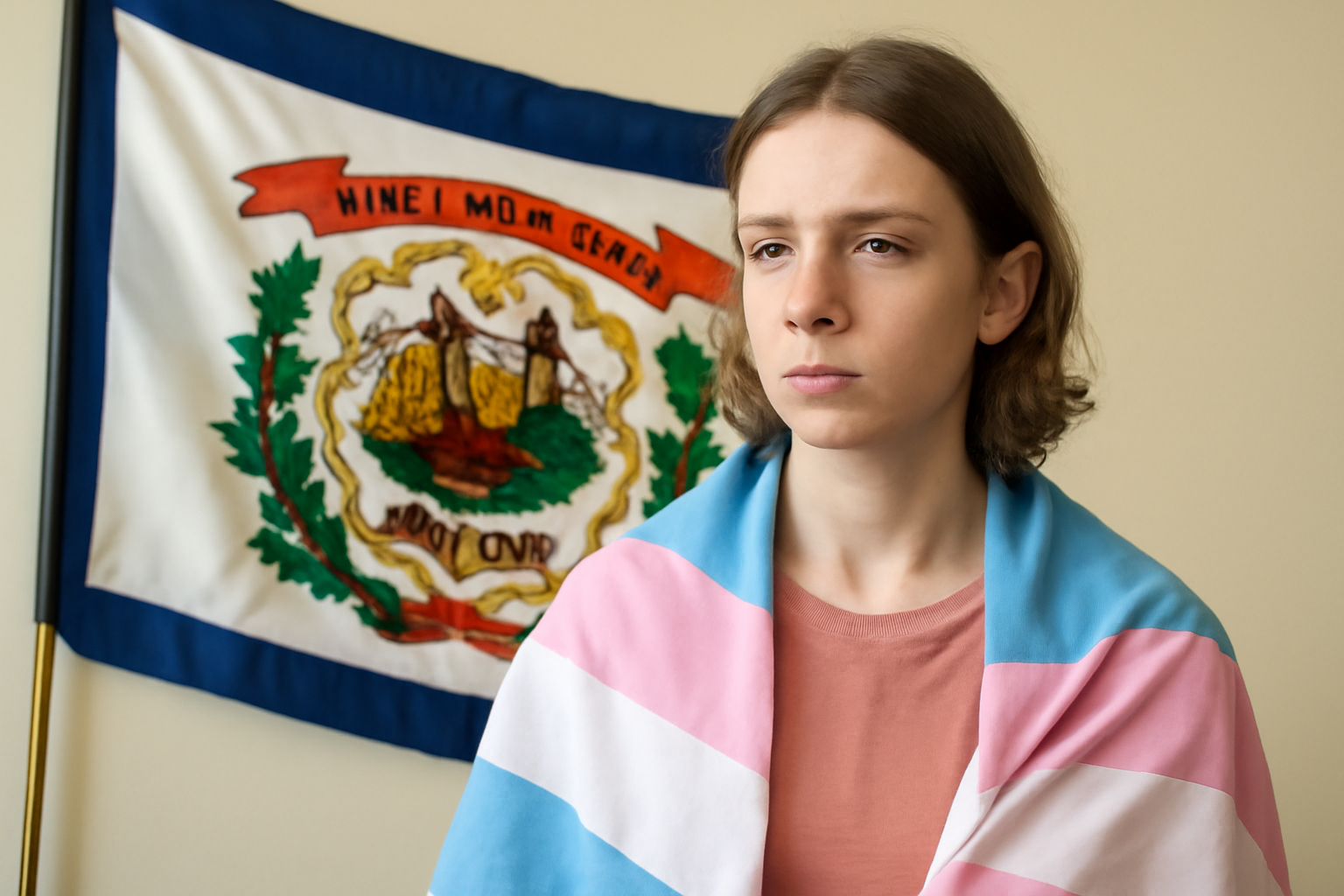
Understanding the Implications of Recent Legislative Changes
In a significant and controversial move, the state of West Virginia has enacted new legislation that effectively removes references to transgender individuals from existing state laws. This decision has sparked a heated debate among activists, legal experts, and members of the community. While supporters of the legislation argue it is a necessary clarification of state law, critics claim it represents a step backwards in the ongoing struggle for transgender rights.
The Context and Background
Over the past decade, there have been significant advancements in the recognition and protection of transgender rights across the United States. Many states have enacted policies that explicitly include gender identity as a protected category in anti-discrimination laws. However, there has also been a notable increase in legislation aimed at limiting or rolling back these protections.
West Virginia's recent legislative changes come amidst a broader national conversation about the rights of transgender individuals, particularly in relation to healthcare, education, and public accommodations. The state’s new law ostensibly aims to address what lawmakers describe as inconsistencies in legal language, yet it effectively erases transgender identities from official recognition.
Legal and Social Implications
The removal of explicit references to transgender individuals from state law has profound legal and social implications. Legally, it creates ambiguity regarding the protections transgender people can claim under state law, potentially affecting their rights in areas such as employment, healthcare, and education. Socially, it sends a message that the identities and experiences of transgender people are not acknowledged or valued by the state.
Critics argue that this move could embolden discrimination against transgender individuals, making it more difficult for them to seek recourse or justice. By not explicitly recognizing transgender people in the law, the state may inadvertently foster an environment where discrimination is more likely to occur unchecked.
Responses from the Community
The response from the LGBTQ+ community and its allies has been swift and vocal. Across social media platforms, activists and community leaders have condemned the legislation, organizing protests and calling for action. National organizations dedicated to LGBTQ+ rights have pledged support to challenge the law both legally and socially.
Many transgender individuals in West Virginia have expressed feeling anxious and afraid about what this legal change could mean for their daily lives. Community centers and support groups have reported an increase in calls and visits from people seeking advice and support in light of these changes.
Looking Ahead: Advocacy and Action
Despite the setback, advocacy groups are mobilizing to fight the legislation. Legal challenges are being prepared, with several organizations exploring options to contest the changes on constitutional grounds. The argument is that by excluding transgender individuals from legal recognition, the state is violating equal protection provisions.
Moreover, grassroots campaigns are being organized to raise awareness about the impact of this legislation and to push for more inclusive policies. These efforts aim to engage not only the LGBTQ+ community but also allies and supporters from across the spectrum to demand change.
For individuals, knowing their rights and having access to resources is crucial. Organizations are distributing information packets and hosting workshops to ensure that transgender individuals are informed and prepared in light of the changing legal landscape.
Conclusion: A Call for Solidarity
As West Virginia moves forward with this legislative change, the importance of solidarity and support within the LGBTQ+ community and beyond cannot be overstated. While the immediate future may seem uncertain, the commitment to equality and justice continues to drive the efforts of many dedicated individuals and organizations.
The situation in West Virginia serves as a reminder of the ongoing challenges faced by transgender and non-binary individuals across the country. It highlights the need for continuous vigilance and action to ensure that all people, regardless of gender identity, are treated with dignity and respect under the law.
Related Posts
Supreme Court to Address State Bans on Trans Women in Female Sports
The upcoming U.S. Supreme Court term promises to be a pivotal moment for transgender rights, as the nation's highest court has agreed to evaluate whether states have the authority to prohibit transgender women from participating in female sports competitions. This case, scheduled to be argued in the next term beginning October, is expected to have a significant impact on the future of sports inclu [...]
Megan Rapinoe and Sue Bird Announce Amicable Separation After Ten Years Together
In a heartfelt announcement that resonated deeply within the sports and LGBTQ+ communities, soccer star Megan Rapinoe and basketball legend Sue Bird have revealed their decision to part ways after nearly a decade together. The couple, who have been icons both on and off the field, shared the news with their fans through a joint statement on social media, expressing that the choice was made with mu [...]
Groundbreaking Ruling Ends Sodomy Ban for Police and Military in the Dominican Republic
The Constitutional Court of the Dominican Republic recently delivered a landmark decision on November 18th, ruling that the nation’s police and armed forces are not permitted to criminalize consensual same-sex relations among their personnel. This pivotal ruling is a significant stride towards equality and the protection of LGBTQ+ rights within these institutions. A Resounding Victory for Equal [...]