
Introduction
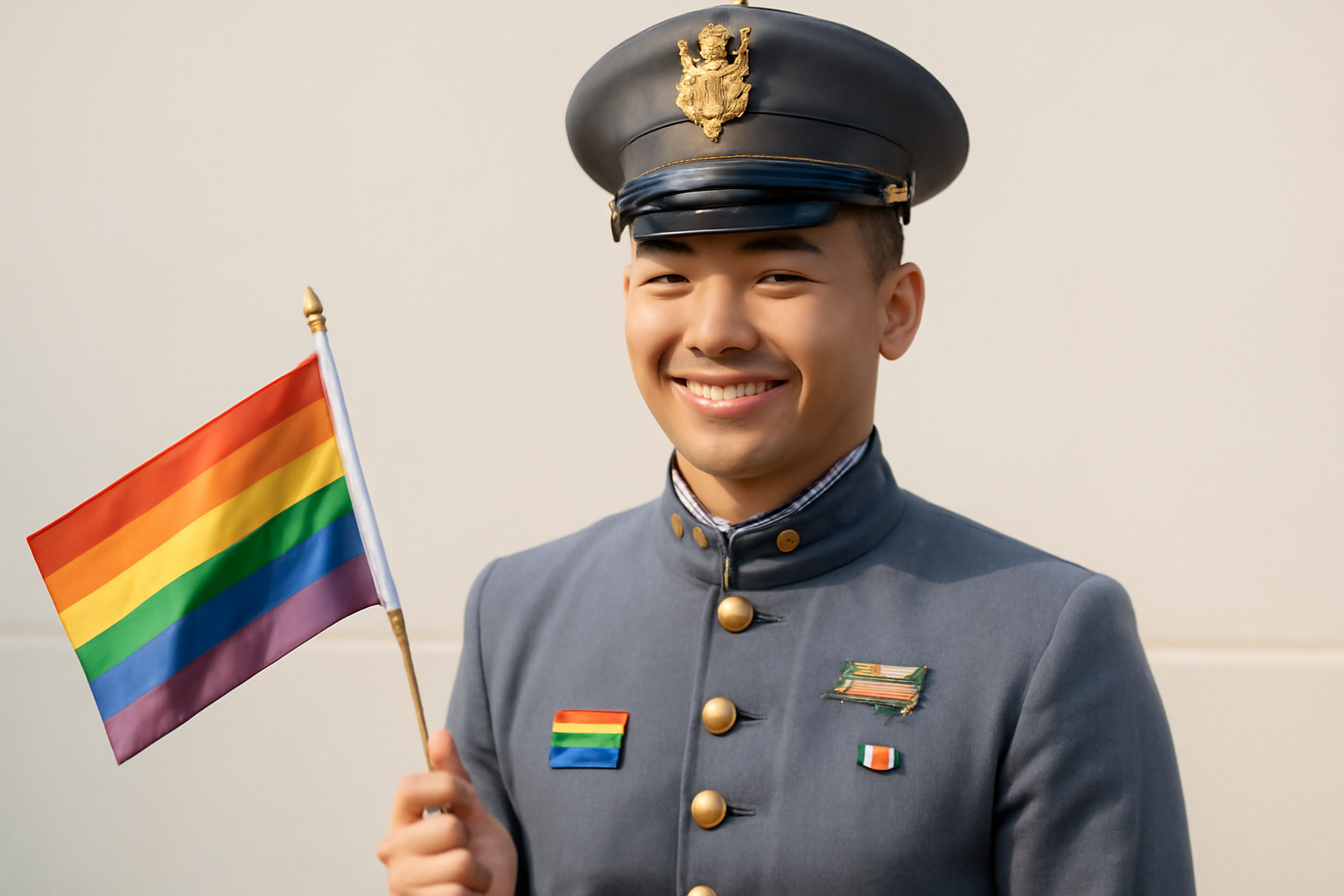
In recent months, significant changes have been underway at the United States Military Academy at West Point. These changes come in light of evolving policies regarding diversity and inclusion, reflecting broader national conversations around these important issues. West Point, known for its rigorous academic and military training programs, is now reevaluating its approach to cadet clubs and extracurricular activities.
Background on Diversity Policies
Over the past few years, there has been an increased focus on diversity and inclusion across various sectors in the United States, including within military institutions. These efforts aimed to create environments that are welcoming and supportive of individuals from all backgrounds, including those from marginalized communities such as the LGBTQ+ community.
However, recent policy shifts at the national level have led to changes in how these goals are pursued. With evolving guidelines, institutions like West Point are adapting their practices to align with new directives.
Changes at West Point
As part of these adaptations, West Point has reviewed its cadet clubs, which are student-led organizations that provide cadets with opportunities to pursue interests and develop leadership skills outside of the regular curriculum. These clubs have traditionally covered a wide range of topics, from academic interests to cultural and social issues.
Recent reports indicate that the academy has decided to streamline the number of cadet clubs, reducing their overall number. This decision is part of a broader effort to ensure that all activities align with the academy's mission and comply with new policy directives. The move has sparked discussions among cadets, alumni, and advocacy groups about the implications for diversity and inclusion.
Implications for Inclusion
The reduction in cadet clubs has raised concerns about the impact on initiatives that promote diversity and inclusion, particularly those that support LGBTQ+ cadets and other minority groups. These clubs have historically played a crucial role in providing a sense of community and belonging for cadets who might otherwise feel isolated.
Advocates argue that the presence of diverse clubs is essential for fostering an inclusive environment where all cadets can thrive. They worry that reducing such opportunities might inadvertently send a message that diversity is not a priority.
Responses from the Community
The decision has garnered a range of responses. Some individuals understand the need to align with national policies and agree that focusing on a core set of clubs might strengthen the quality of offerings. However, others express concern that this focus could come at the expense of representation and support for minority groups.
Advocacy groups have called for continued dialogue with West Point's administration to ensure that the needs and voices of all cadets are heard in these changes. They emphasize the importance of maintaining programs that support the mental and emotional well-being of cadets from diverse backgrounds.
Ongoing Discussions and Future Directions
As West Point navigates these changes, ongoing discussions will be crucial in finding a balance between adhering to national policies and maintaining a commitment to diversity and inclusion. The academy has expressed a willingness to engage with stakeholders to find solutions that address concerns while fulfilling its mission.
The future of cadet clubs at West Point remains a topic of active conversation. It is likely that the academy will continue to evaluate and refine its approach to ensure that all cadets have the opportunity to participate in meaningful activities that enrich their educational and personal development.
Conclusion
The evolution of cadet clubs at West Point reflects a broader trend in institutions adapting to changing policies and societal expectations. As conversations about diversity and inclusion continue to evolve, it is essential for such institutions to remain responsive and committed to fostering an environment where every individual can succeed.
In the coming months, the impact of these changes will become clearer, and it will be important for West Point to remain transparent and engaged with its community to achieve the best outcomes for all cadets.
Related Posts
Supreme Court to Address State Bans on Trans Women in Female Sports
The upcoming U.S. Supreme Court term promises to be a pivotal moment for transgender rights, as the nation's highest court has agreed to evaluate whether states have the authority to prohibit transgender women from participating in female sports competitions. This case, scheduled to be argued in the next term beginning October, is expected to have a significant impact on the future of sports inclu [...]
Megan Rapinoe and Sue Bird Announce Amicable Separation After Ten Years Together
In a heartfelt announcement that resonated deeply within the sports and LGBTQ+ communities, soccer star Megan Rapinoe and basketball legend Sue Bird have revealed their decision to part ways after nearly a decade together. The couple, who have been icons both on and off the field, shared the news with their fans through a joint statement on social media, expressing that the choice was made with mu [...]
Groundbreaking Ruling Ends Sodomy Ban for Police and Military in the Dominican Republic
The Constitutional Court of the Dominican Republic recently delivered a landmark decision on November 18th, ruling that the nation’s police and armed forces are not permitted to criminalize consensual same-sex relations among their personnel. This pivotal ruling is a significant stride towards equality and the protection of LGBTQ+ rights within these institutions. A Resounding Victory for Equal [...]