
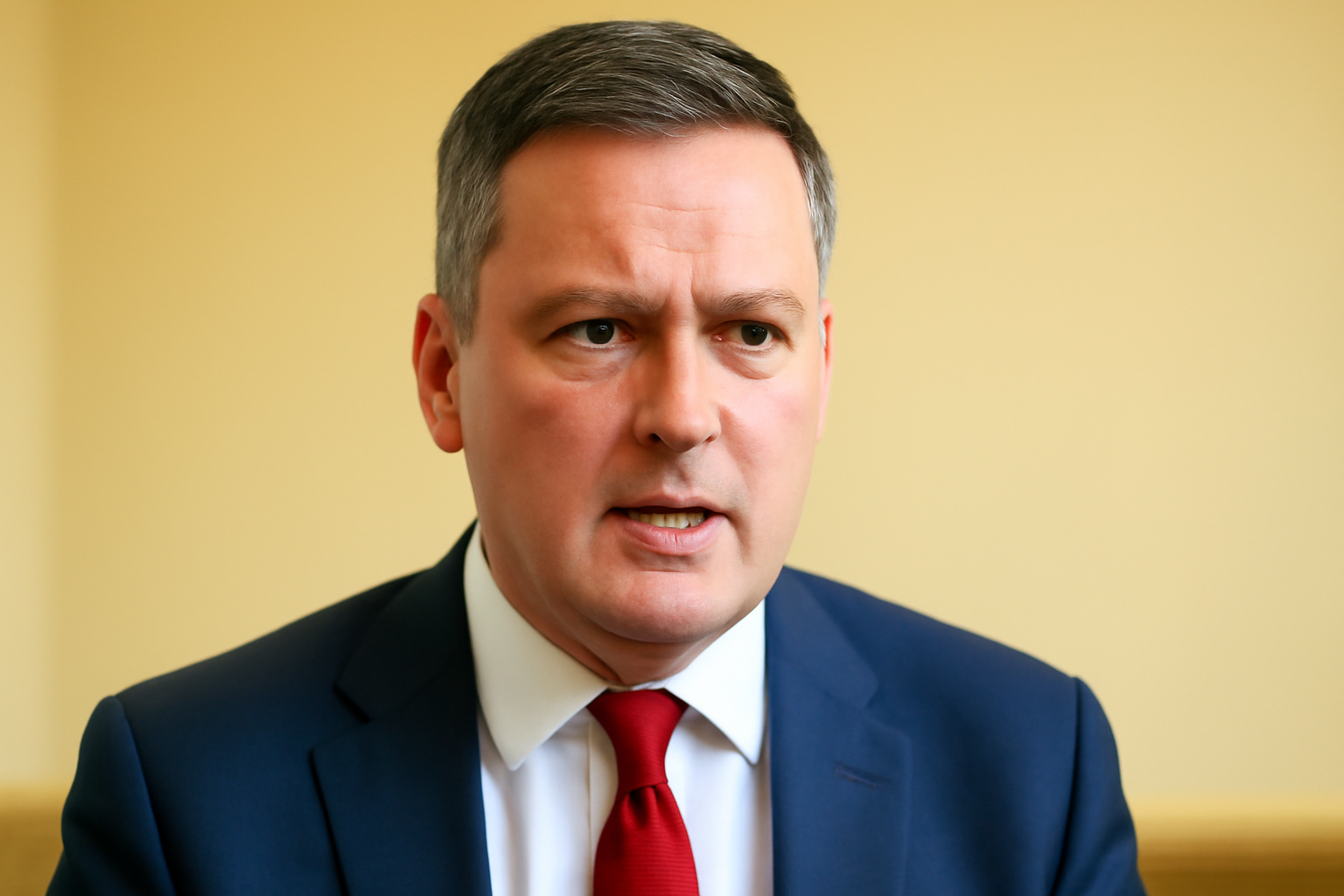
In a recent development, the UK Health Secretary, Wes Streeting, has reiterated his controversial stance regarding transgender women. Streeting, who is a prominent member of the Labour party, has publicly stated that he does not consider trans women as women, a position he had previously mentioned during an interview in April 2024. These remarks have reignited discussions about the rights and recognition of transgender individuals in the UK.
In an interview with a national radio station, Streeting expressed regret over his past support for the statements "trans women are women" and "trans men are men." He admitted to reversing his stance after what he called a period of "self-criticism." This shift in perspective came in the wake of a recent Supreme Court ruling, which specified that terms related to sex and gender in the 2010 Equality Act should be interpreted as referring to "biological sex."
During the interview, Streeting elaborated on his decision, stating he wished he had taken into account the views of certain anti-trans groups earlier. He encouraged others to acknowledge that they might have been "not right" in their previous beliefs about transgender women. This assertion has sparked a wave of reactions, both in support of and against Streeting's position.
Implications of the Supreme Court Ruling
The Supreme Court ruling that Streeting referenced is a recent legal clarification that has been interpreted by some as aligning legal definitions more closely with biological distinctions. However, it is important to note that this ruling does not alter the existing rights of transgender individuals under current law. Despite this, Streeting has indicated his support for revising NHS guidelines in light of the ruling, suggesting changes to how trans patients are accommodated in hospital settings.
Streeting's comments have not only drawn criticism from transgender rights advocates but also have implications for his party's stance on LGBTQ+ issues. In the past, Labour has positioned itself as a supporter of transgender rights, yet Streeting's remarks point to a nuanced and perhaps evolving stance within the party's leadership.
Adding to the political tension, Streeting made remarks that appeared to be directed at Prime Minister Keir Starmer, who has similarly expressed a shift in his views on transgender women. Streeting implied that his earlier acknowledgment of these beliefs positioned him more favorably within the ongoing discourse.
Community Response and Political Reactions
In response to these developments, several LGBTQ+ advocacy groups have voiced strong opposition to Streeting's statements. They argue that such positions undermine the recognition and rights of transgender individuals and could contribute to increased marginalization and discrimination. Supporters of transgender rights emphasize the importance of affirming the identities of transgender individuals and maintaining their access to healthcare and public services.
Meanwhile, Streeting's remarks have also sparked a broader conversation about how political leaders engage with complex issues of gender and identity. Critics argue that such public statements have far-reaching consequences for societal attitudes and the lived experiences of transgender individuals.
Despite the backlash, Streeting attempted to convey a more supportive tone during a recent parliamentary debate, expressing a desire for transgender individuals to live "freely, equally, and with dignity." However, critics argue that his policy positions and public statements stand at odds with such sentiments.
The debate surrounding transgender rights and recognition is far from settled in the UK, as political figures and advocacy groups continue to navigate these challenging and deeply personal issues. The discussions underscore the need for compassionate dialogue and a commitment to upholding the dignity and rights of all individuals, regardless of gender identity.
The ongoing dialogue highlights the tensions between legal interpretations, political viewpoints, and the lived realities of transgender people. As these discussions progress, the focus remains on ensuring that all individuals can live their lives with authenticity and respect.
Related Posts
Supreme Court to Address State Bans on Trans Women in Female Sports
The upcoming U.S. Supreme Court term promises to be a pivotal moment for transgender rights, as the nation's highest court has agreed to evaluate whether states have the authority to prohibit transgender women from participating in female sports competitions. This case, scheduled to be argued in the next term beginning October, is expected to have a significant impact on the future of sports inclu [...]
Megan Rapinoe and Sue Bird Announce Amicable Separation After Ten Years Together
In a heartfelt announcement that resonated deeply within the sports and LGBTQ+ communities, soccer star Megan Rapinoe and basketball legend Sue Bird have revealed their decision to part ways after nearly a decade together. The couple, who have been icons both on and off the field, shared the news with their fans through a joint statement on social media, expressing that the choice was made with mu [...]
Groundbreaking Ruling Ends Sodomy Ban for Police and Military in the Dominican Republic
The Constitutional Court of the Dominican Republic recently delivered a landmark decision on November 18th, ruling that the nation’s police and armed forces are not permitted to criminalize consensual same-sex relations among their personnel. This pivotal ruling is a significant stride towards equality and the protection of LGBTQ+ rights within these institutions. A Resounding Victory for Equal [...]