
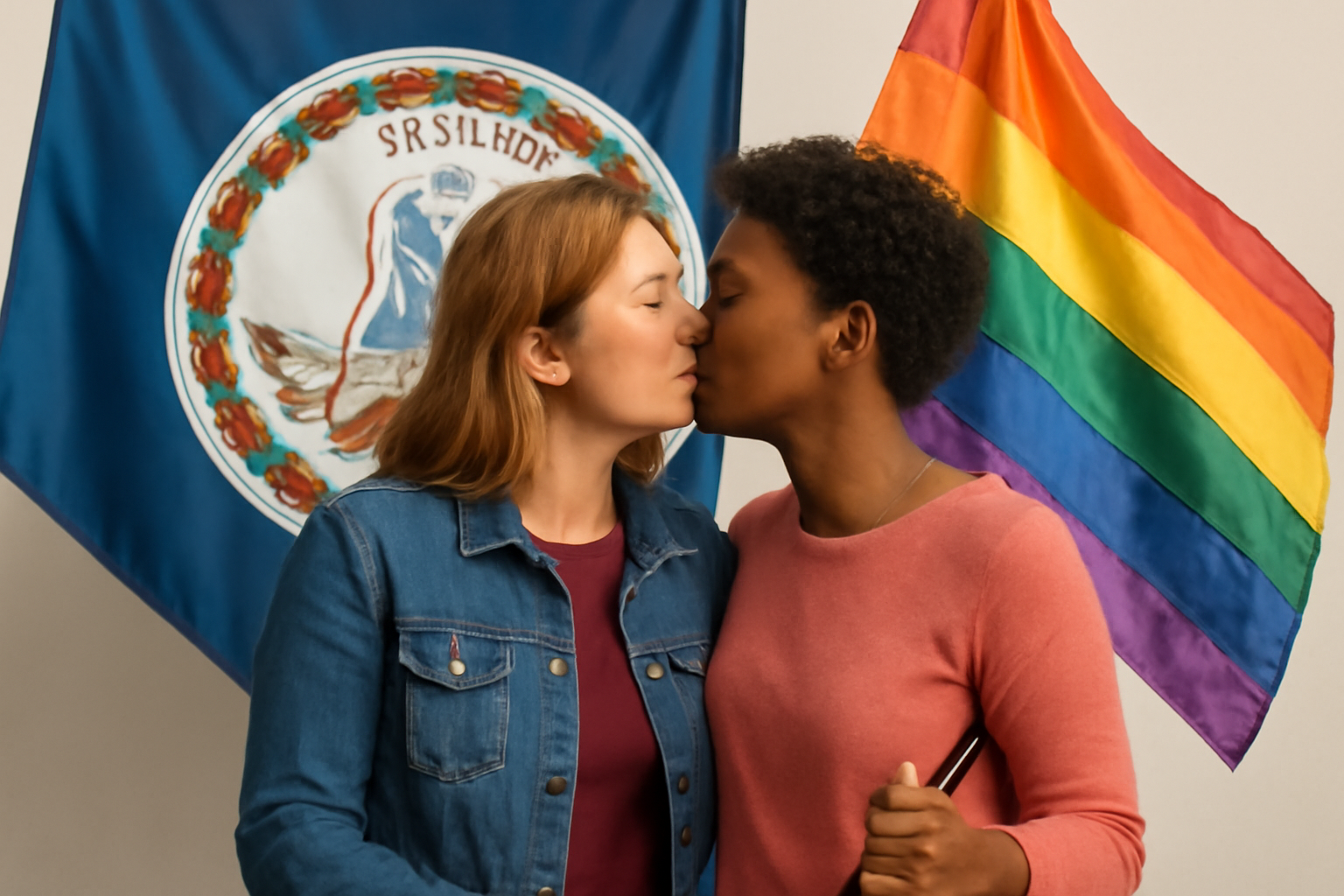
Virginia Senate Moves Forward with Repeal of Marriage Amendment
In a historic move, the Virginia Senate approved a resolution on Tuesday aimed at repealing a state constitutional amendment that currently defines marriage solely as a union between a man and a woman. This amendment, known as the Marshall-Newman Amendment, was originally ratified by voters in 2006. However, times have changed significantly since then, and both public perception and legal precedents have evolved to embrace a more inclusive understanding of marriage.
The resolution to repeal this outdated constitutional amendment was introduced by state Senator Adam Ebbin, a Democrat representing Alexandria. Ebbin's proposal successfully passed the Senate by a 24-15 vote margin, signaling a strong endorsement from the legislative body. This follows the successful passage of an identical measure in the Virginia House of Delegates last week, which was sponsored by Delegate Mark Sickles, a Democrat from Fairfax County. Notably, both Ebbin and Sickles are openly gay, and their efforts represent a significant step forward in the ongoing fight for equality and recognition of LGBTQ+ rights.
Historical Context and Legal Milestones
To better understand the significance of this legislative development, it's important to look back at the history of marriage equality in Virginia. The Marshall-Newman Amendment, which enshrined a traditional definition of marriage into the state constitution, was approved by Virginia voters in 2006. At that time, the political and social climate was vastly different, with many states enacting similar amendments to restrict marriage to heterosexual couples.
However, the landscape began to shift dramatically in the following years. In 2014, federal court rulings paved the way for same-sex couples to legally marry in Virginia. This landmark change was a precursor to the nationwide recognition of marriage equality, which was ultimately solidified by the U.S. Supreme Court's decision in Obergefell v. Hodges in 2015. This ruling effectively legalized same-sex marriage across the United States, rendering state-level bans unenforceable.
In light of these developments, Virginia has progressively moved towards embracing and codifying marriage equality. In a symbolic gesture of support for LGBTQ+ rights, Republican Governor Glenn Youngkin signed a bill last year that further codified marriage equality into state law, reinforcing the legal protections for same-sex couples.
Future Steps and Community Impact
The current resolution to repeal the Marshall-Newman Amendment is part of a broader legislative process that requires approval in two successive sessions of the General Assembly before it can be put to a statewide vote. This procedural requirement ensures that any change to the state constitution reflects a sustained commitment from lawmakers and aligns with the will of the people.
For the LGBTQ+ community and allies in Virginia, this repeal effort represents more than just a legislative victory; it’s a reaffirmation of their rights and recognition under the law. Removing the language of the Marshall-Newman Amendment from the state constitution is an important symbolic act that acknowledges the dignity and equality of all Virginians, regardless of whom they love.
Moreover, this initiative is a testament to the power of advocacy and the importance of having openly LGBTQ+ representatives in positions of legislative authority. Both Senator Ebbin and Delegate Sickles have demonstrated leadership and commitment to advancing LGBTQ+ rights, serving as role models and champions for equality in Virginia.
As the resolution continues through the legislative process, it will be closely watched by both advocates and opponents of marriage equality. For advocates, it's a chance to further dismantle the remnants of discriminatory policies and move towards a future where equality is the norm. For opponents, it may serve as a catalyst for re-evaluating their positions in light of the changing socio-political landscape.
Ultimately, the effort to repeal the Marshall-Newman Amendment is a significant step towards achieving full equality and ensuring that all Virginians are treated with respect and fairness under the law. As the state continues to move forward, the inclusive spirit of this resolution serves as a reminder of the progress that can be achieved through perseverance and collective action.
Tags: Virginia, LGBTQ+ rights, marriage equality, legislative process, community impact
Related Posts
Supreme Court to Address State Bans on Trans Women in Female Sports
The upcoming U.S. Supreme Court term promises to be a pivotal moment for transgender rights, as the nation's highest court has agreed to evaluate whether states have the authority to prohibit transgender women from participating in female sports competitions. This case, scheduled to be argued in the next term beginning October, is expected to have a significant impact on the future of sports inclu [...]
Megan Rapinoe and Sue Bird Announce Amicable Separation After Ten Years Together
In a heartfelt announcement that resonated deeply within the sports and LGBTQ+ communities, soccer star Megan Rapinoe and basketball legend Sue Bird have revealed their decision to part ways after nearly a decade together. The couple, who have been icons both on and off the field, shared the news with their fans through a joint statement on social media, expressing that the choice was made with mu [...]
Groundbreaking Ruling Ends Sodomy Ban for Police and Military in the Dominican Republic
The Constitutional Court of the Dominican Republic recently delivered a landmark decision on November 18th, ruling that the nation’s police and armed forces are not permitted to criminalize consensual same-sex relations among their personnel. This pivotal ruling is a significant stride towards equality and the protection of LGBTQ+ rights within these institutions. A Resounding Victory for Equal [...]