
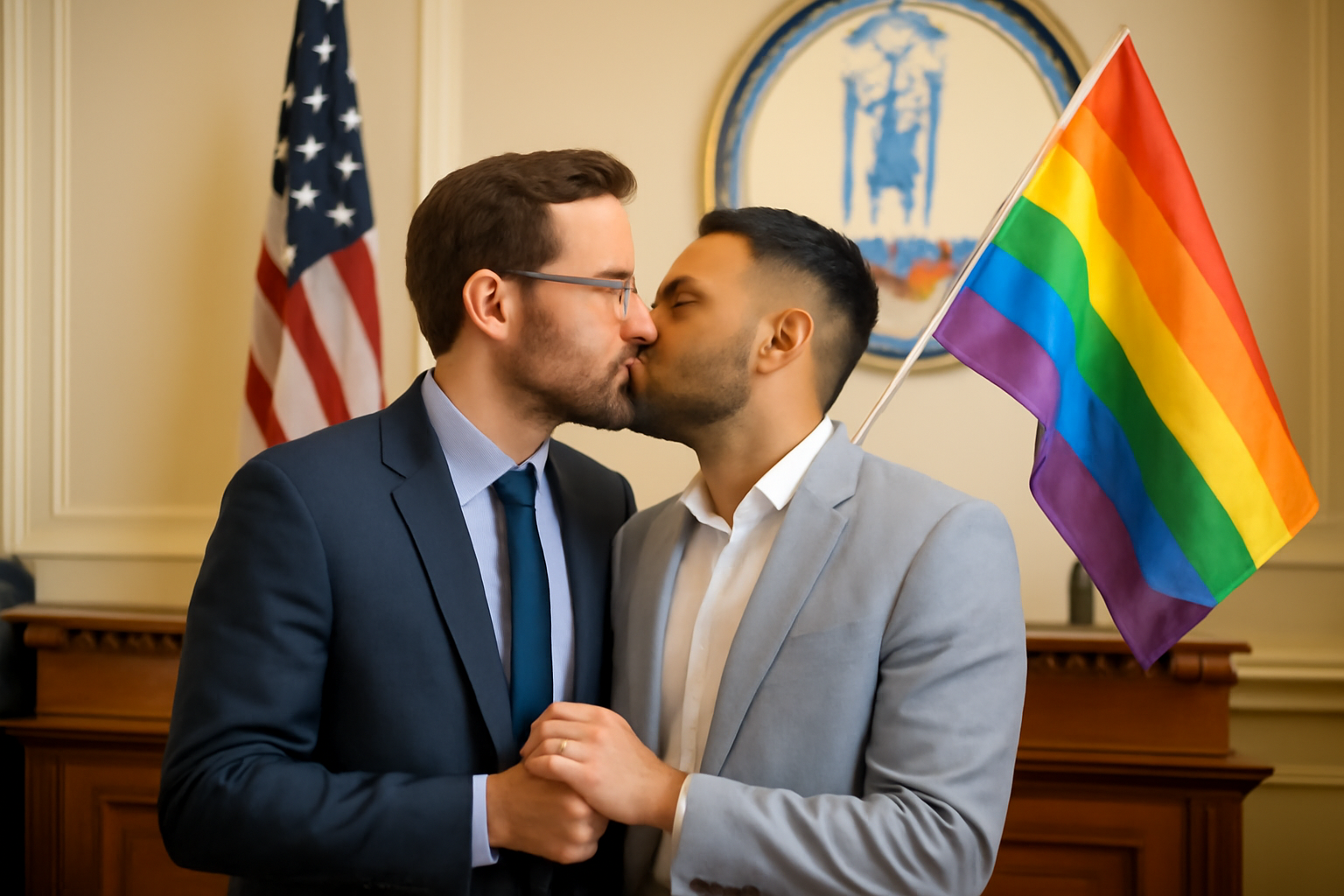
The Virginia House of Representatives has taken a significant step forward in the ongoing battle for marriage equality by approving a resolution aimed at repealing a constitutional amendment that limits marriage to a union between a man and a woman. This development is part of a broader effort to ensure that the laws of Virginia reflect and uphold the rights of all its citizens, regardless of sexual orientation.
Historical Context and Legislative Developments
In 2006, Virginia voters approved the Marshall-Newman Amendment, which defined marriage exclusively as a union between a man and a woman. This constitutional amendment was a reflection of the prevailing attitudes at the time, which were generally opposed to recognizing same-sex marriages.
However, since 2014, same-sex couples have been able to legally marry in Virginia, following a court ruling that struck down the state's ban on same-sex marriage. This ruling aligned Virginia with the growing number of jurisdictions recognizing marriage equality.
In recent years, there have been legislative efforts to not only recognize same-sex marriages but also to remove outdated and discriminatory language from the state's constitution. The most recent effort has been spearheaded by state Del. Mark Sickles (D-Fairfax County) and state Sen. Adam Ebbin (D-Alexandria), both of whom are openly gay lawmakers committed to advancing LGBTQ+ rights in Virginia.
Progress in the Virginia General Assembly
On Tuesday, the Virginia House of Representatives voted 58-35 in favor of the resolution introduced by Del. Sickles. This resolution is a critical step toward repealing the Marshall-Newman Amendment. Parallel efforts are underway in the Virginia Senate, where Sen. Ebbin has introduced an identical measure.
The passage of this resolution by the House marks an important victory for advocates of marriage equality and civil rights. It is also a testament to the changing societal attitudes over the past two decades, as more people recognize the importance of equality and inclusivity.
The resolution's journey, however, is far from over. In Virginia, constitutional amendments require approval by the General Assembly in two successive sessions before they can be presented to voters on the ballot. The General Assembly had previously approved a similar resolution in 2021, and this continued effort underscores the persistence and determination of advocates who want to see Virginia's constitution reflect the values of equality and nondiscrimination.
Broader Legislative Efforts
The vote on the marriage amendment was accompanied by other significant legislative actions. On the same day, the Virginia House also approved resolutions aimed at enshrining reproductive rights and restoring voting rights to formerly incarcerated individuals. These measures highlight a broader agenda of advancing civil rights and liberties in the state.
Earlier in the legislative session, the Senate Privileges and Elections Committee advanced Sen. Ebbin's resolution with a 10-4 vote, signaling strong support within that chamber for repealing the outdated marriage amendment. The collaborative efforts between the House and the Senate are crucial for ensuring that these resolutions move forward effectively.
Republican Governor Glenn Youngkin, who signed a bill last year that codified marriage equality in the state's statutes, has indicated a willingness to support measures that align with upholding civil rights, though the specifics of his support for these resolutions have yet to be fully detailed.
Looking Ahead
As these legislative efforts progress, the focus will increasingly shift towards the potential impact on Virginia's legal landscape and its citizens. Repealing the Marshall-Newman Amendment would not only solidify marriage equality in the state but also affirm Virginia's commitment to upholding the dignity and rights of all its residents.
Advocates for LGBTQ+ rights are hopeful that these measures will continue to gain momentum, reflecting a broader trend of increasing support for marriage equality nationwide. The passage of this resolution is a reminder that progress is possible through persistent advocacy and legislative action.
As the resolution moves through the necessary legislative processes, supporters remain optimistic that Virginia voters will ultimately have the opportunity to decide on this crucial issue, paving the way for a more inclusive and equitable future.
Related Posts
Supreme Court to Address State Bans on Trans Women in Female Sports
The upcoming U.S. Supreme Court term promises to be a pivotal moment for transgender rights, as the nation's highest court has agreed to evaluate whether states have the authority to prohibit transgender women from participating in female sports competitions. This case, scheduled to be argued in the next term beginning October, is expected to have a significant impact on the future of sports inclu [...]
Megan Rapinoe and Sue Bird Announce Amicable Separation After Ten Years Together
In a heartfelt announcement that resonated deeply within the sports and LGBTQ+ communities, soccer star Megan Rapinoe and basketball legend Sue Bird have revealed their decision to part ways after nearly a decade together. The couple, who have been icons both on and off the field, shared the news with their fans through a joint statement on social media, expressing that the choice was made with mu [...]
Groundbreaking Ruling Ends Sodomy Ban for Police and Military in the Dominican Republic
The Constitutional Court of the Dominican Republic recently delivered a landmark decision on November 18th, ruling that the nation’s police and armed forces are not permitted to criminalize consensual same-sex relations among their personnel. This pivotal ruling is a significant stride towards equality and the protection of LGBTQ+ rights within these institutions. A Resounding Victory for Equal [...]