
In the wake of President Donald Trump’s re-election and the subsequent issuance of executive orders aimed at undermining transgender rights and dismantling LGBTQ-inclusive diversity initiatives, the LGBTQ community faces a renewed challenge. The new administration's policies signal a clear intent to target queer and gender-diverse communities, setting the stage for a difficult four years ahead.
On January 20, these directives highlighted the critical role that LGBTQ advocacy organizations, especially those engaged in impact litigation, will play in safeguarding the rights of the communities they serve. With the conservative push against diversity, equity, and inclusion (DEI) in both public and private sectors, these groups are bracing for significant hurdles, including potential restrictions on funding and resources.
Anticipating these challenges, LGBTQ organizations had foreseen a decline in federal support as Trump and his allies have been vocal about reshaping government by eliminating DEI-related programs. The administration has gone further, freezing disbursements of funds tied to existing grants and threatening investigations into private companies with DEI policies.
Amid this atmosphere of uncertainty, many companies have started withdrawing from DEI initiatives, including support for LGBTQ causes, which compounds the financial strain on organizations relying on both federal and corporate funding. The potential reduction in support threatens to curtail essential programs and services and hinders efforts to combat a hostile governmental stance.
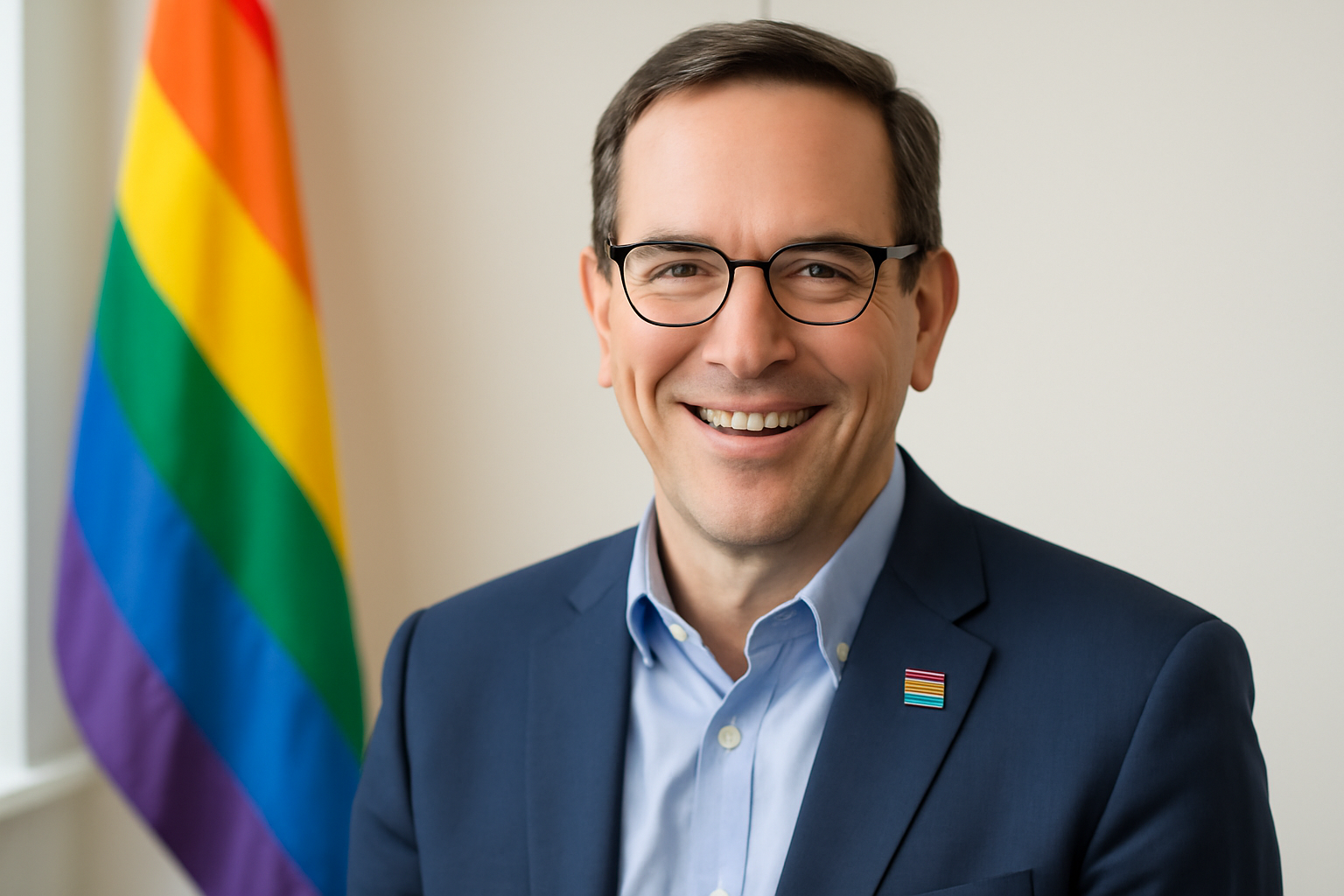
Elliot Imse, executive director of the LGBTQ+ Victory Institute, in a recent interview, expressed the pressing concern of securing continued funding. "Continuing to fund our work is obviously top of mind for everyone right now," he remarked. Despite the surprising retreat of some corporations from supporting LGBTQ equality, Imse remains optimistic about engaging businesses by underscoring how commitment to DEI can benefit their bottom line.
Imse emphasized the importance of supporting companies that maintain their commitment to LGBTQ rights, suggesting that consumers should favor businesses that uphold these values. "There’s a lot of courageous corporations out there, too, that are continuing to step up. We need to be grateful, and we need to make purchasing decisions as a community with those corporations in mind," he stated.
While acknowledging the challenging fundraising environment, Imse detailed the Victory Institute's robust programmatic strategy to address these realities and support LGBTQ elected officials at all levels of government. He highlighted the importance of cultivating a diverse pipeline of leaders to defend against attacks on equality and democratic principles, stating, "A diverse pipeline of out leaders from diverse backgrounds is the best bulwark against attacks on our equality and democratic backsliding."
The Victory Institute plans to expand its U.S.-based programs, enhancing their reach at this crucial juncture, despite the loss of federal grants. "We’re going to be in more cities than ever before," Imse affirmed, expressing hope in their ability to secure necessary funding for these initiatives. "We believe we can make the case to donors that these programs are an essential path forward."
Imse admitted the uphill battle facing LGBTQ organizations due to potential downturns in fundraising but stressed the resilience of these groups. "Our movement has always thrived in moments of crisis. While we’d prefer no crisis, it refocuses us. It motivates us. And oftentimes leads to breakthroughs that we may not have had otherwise," he reflected.
Recognizing the limited influence LGBTQ advocacy groups might have at the federal level until potential political shifts in 2026, Imse pointed out the strategic advantage of focusing on state and local legislative bodies. "When we’re talking about opportunities to make progress, it is in these legislative bodies," he explained, noting their significant impact on individual lives compared to federal legislation.
In these challenging times, Imse called for solidarity within the LGBTQ community and continued support for advocacy groups. "We also need our community to step up in terms of supporting these organizations," he urged, highlighting the necessity of financial contributions and active engagement.
As the LGBTQ movement braces for potential setbacks, Imse remains hopeful and committed to ensuring that any backsliding is not permanent. "It is critical that our community members remain active, engaged, and involved," he emphasized, calling for collective effort to sustain the movement's momentum and protect hard-won rights.
Related Posts
Supreme Court to Address State Bans on Trans Women in Female Sports
The upcoming U.S. Supreme Court term promises to be a pivotal moment for transgender rights, as the nation's highest court has agreed to evaluate whether states have the authority to prohibit transgender women from participating in female sports competitions. This case, scheduled to be argued in the next term beginning October, is expected to have a significant impact on the future of sports inclu [...]
Megan Rapinoe and Sue Bird Announce Amicable Separation After Ten Years Together
In a heartfelt announcement that resonated deeply within the sports and LGBTQ+ communities, soccer star Megan Rapinoe and basketball legend Sue Bird have revealed their decision to part ways after nearly a decade together. The couple, who have been icons both on and off the field, shared the news with their fans through a joint statement on social media, expressing that the choice was made with mu [...]
Groundbreaking Ruling Ends Sodomy Ban for Police and Military in the Dominican Republic
The Constitutional Court of the Dominican Republic recently delivered a landmark decision on November 18th, ruling that the nation’s police and armed forces are not permitted to criminalize consensual same-sex relations among their personnel. This pivotal ruling is a significant stride towards equality and the protection of LGBTQ+ rights within these institutions. A Resounding Victory for Equal [...]