
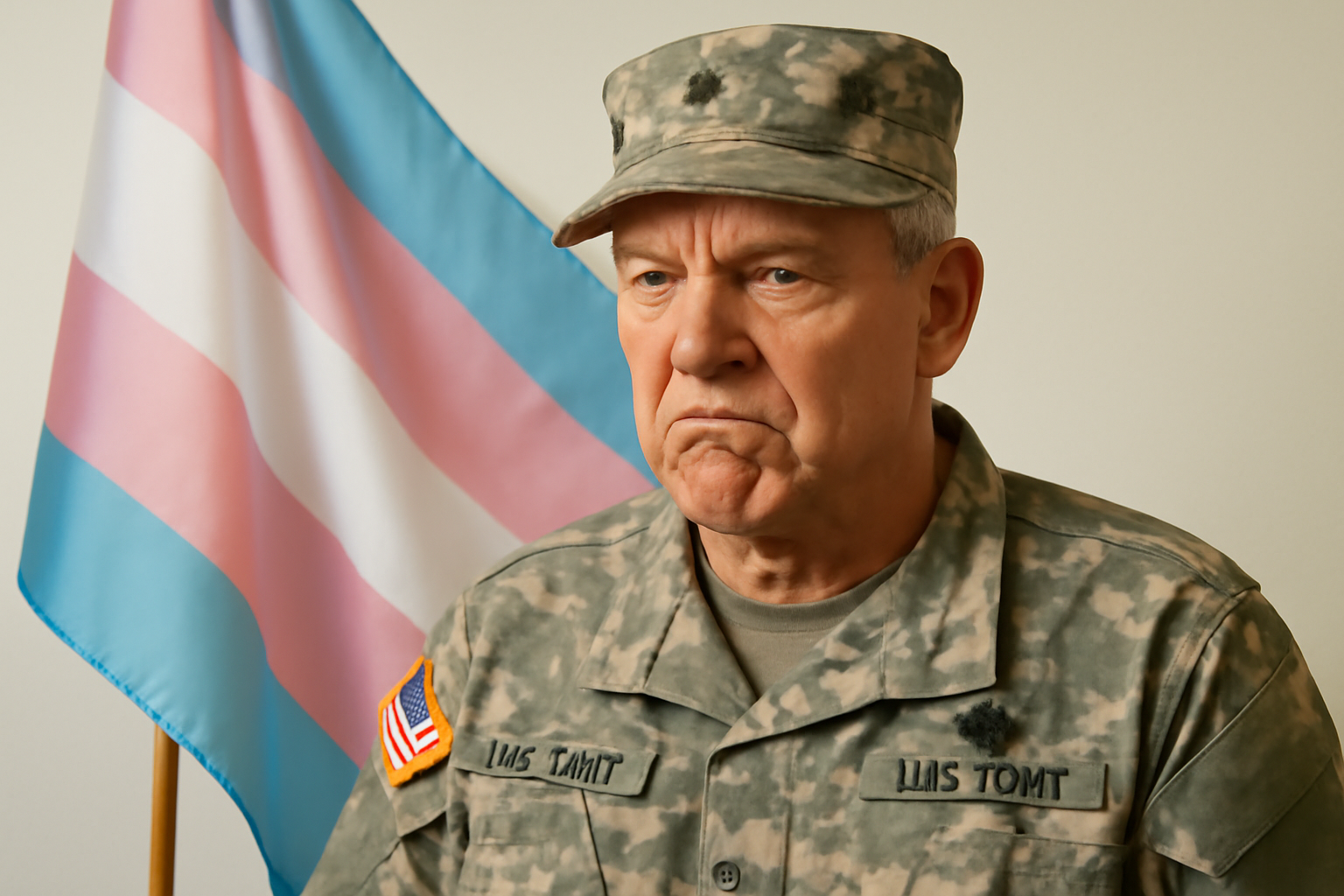
In the wake of ongoing recruitment challenges, the reinstatement of the transgender military ban by former President Donald Trump has drawn criticism for its discriminatory nature. The executive order, which tasks Secretary of Defense Pete Hegseth with implementing the ban, has sparked concern over military readiness at a time when recruitment numbers are falling. Many argue that perpetuating such bigotry is counterproductive, especially when cisgender men are showing dwindling interest in military service.
Reflection from a Veteran
Marine Corps veteran Jos Joseph has shared his perspective on the issue, drawing from personal experiences during his service from 2004 to 2007. At the time, the "Don't Ask, Don't Tell" policy was still in effect, prohibiting gay and bisexual individuals from serving openly in the military. Joseph witnessed firsthand the military's struggle to recruit enough personnel willing to fight in conflicts such as the Iraq War, even as it discharged capable gay and transgender service members.
"We were in desperate need of personnel willing to serve," Joseph recalled. "Yet, the military was dismissing those who were eager to serve, while struggling to convince others to join." He noted that many so-called 'patriotic' men were reluctant to enlist, while women and LGBTQ+ individuals were more willing to step up.
Historical Context and Current Challenges
Joseph recounted how, during the Vietnam War, many American men were not drafted but volunteered for various reasons. The aftermath of the war led to the establishment of an all-volunteer military, as it was deemed more effective for future conflicts that might not garner widespread public support.
As recruitment challenges persist today, Joseph emphasized that the military eventually realized that many men who pride themselves on patriotism are not eager to enlist. This led to a strategic focus on offering benefits like healthcare, home loans, and education, and also targeting women for recruitment.
Women have consistently demonstrated their ability to excel in both non-combat and combat roles, especially as the military faced increased demands following engagements in Afghanistan and Iraq post-9/11.
Challenging Stereotypes and Embracing Diversity
Joseph highlighted two key lessons from recent military engagements: women perform admirably in combat roles, and LGBTQ+ Americans are often more willing to serve than presumed. Despite lingering stereotypes questioning the strength and capability of these groups, the reality of recruitment challenges remains stark. Male enlistment has dropped significantly, while enlistment among women has remained steady.
Experts suggest that societal shifts and a so-called "crisis of masculinity" might be contributing to these trends. Ronald Levant, a professor at the University of Akron and past president of the American Psychological Association, noted that the issue extends beyond military recruitment, reflecting broader social changes. Young men today may lack motivation, he suggested, as societal expectations evolve.
Katherine Kuzminski, Deputy Director of Studies at the Center for a New American Security, added that military service demands true strength, testing individuals physically, mentally, and morally. She noted a cultural trend toward performative displays of strength rather than genuine commitment, which military service entails.
A Call for Inclusivity
Joseph argued that Hegseth and other military leaders face an inevitable reality check regarding diversity and inclusion. "Those who claim patriotism often do so superficially," Joseph asserted, "but when it comes to actual service, many are hesitant." He emphasized that maintaining military readiness will require embracing the diversity of those willing to serve, including women and LGBTQ+ individuals.
As the military grapples with recruitment and readiness challenges, the need to reconsider outdated policies and promote inclusivity has never been clearer. Embracing a diverse force could be pivotal in maintaining the effectiveness and integrity of the military.
Subscribe to our community newsletter to stay informed about the latest issues affecting the LGBTQ+ community and beyond.
Related Posts
Supreme Court to Address State Bans on Trans Women in Female Sports
The upcoming U.S. Supreme Court term promises to be a pivotal moment for transgender rights, as the nation's highest court has agreed to evaluate whether states have the authority to prohibit transgender women from participating in female sports competitions. This case, scheduled to be argued in the next term beginning October, is expected to have a significant impact on the future of sports inclu [...]
Megan Rapinoe and Sue Bird Announce Amicable Separation After Ten Years Together
In a heartfelt announcement that resonated deeply within the sports and LGBTQ+ communities, soccer star Megan Rapinoe and basketball legend Sue Bird have revealed their decision to part ways after nearly a decade together. The couple, who have been icons both on and off the field, shared the news with their fans through a joint statement on social media, expressing that the choice was made with mu [...]
Groundbreaking Ruling Ends Sodomy Ban for Police and Military in the Dominican Republic
The Constitutional Court of the Dominican Republic recently delivered a landmark decision on November 18th, ruling that the nation’s police and armed forces are not permitted to criminalize consensual same-sex relations among their personnel. This pivotal ruling is a significant stride towards equality and the protection of LGBTQ+ rights within these institutions. A Resounding Victory for Equal [...]