
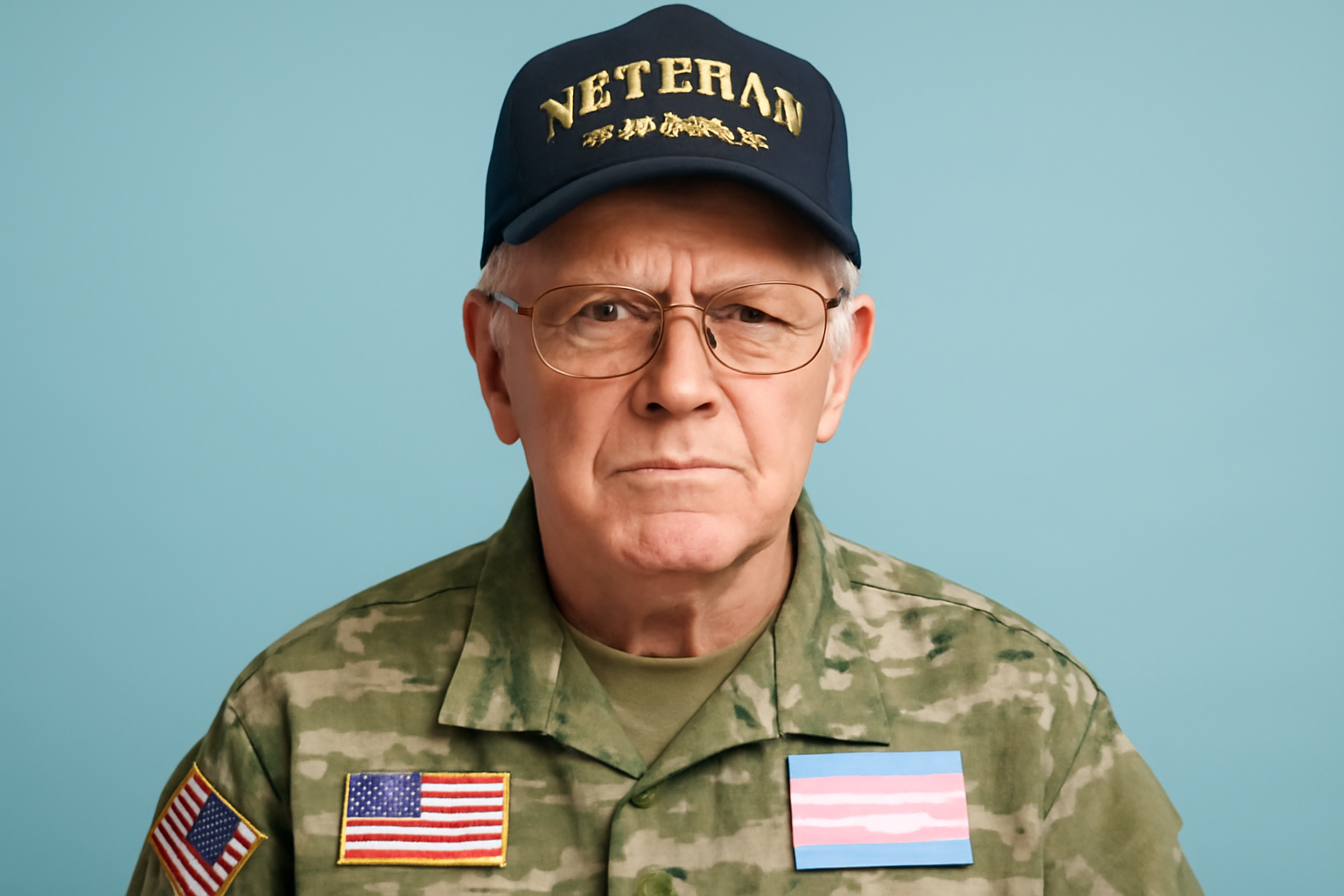
In recent developments, the reinstatement of the transgender military ban by former President Donald Trump has reignited debates about discrimination and its implications on military readiness. This executive order, now being implemented by the Secretary of Defense, has raised concerns about its impact during a time when military recruitment numbers are notably low.
The ban, perceived by many as an act of blatant bigotry, has drawn criticism not just for its discriminatory nature but also for the potential risk it poses to the U.S. military's preparedness in meeting its personnel needs. Amidst this backdrop, a compelling voice has emerged in the form of Marine Corps veteran Jos Joseph, who offers a unique perspective based on personal experience with military policies.
Experiences of Discrimination in the Military
Jos Joseph, who served on the 1st Marine Division staff from 2004 to 2007, witnessed firsthand the effects of discriminatory practices under policies like "Don’t Ask, Don’t Tell." This policy prohibited gay and bisexual individuals from serving openly and led to the discharge of many capable service members. Joseph reflects on the paradox of the military's actions during this time, noting the irony of discharging willing and able service members while struggling to recruit enough personnel for conflicts in Iraq.
"We needed people to fight and were begging people who didn’t want to serve while kicking out those that did," Joseph recalls. He shares insights gained from this experience, highlighting the reality that many patriotic American men, often perceived as the ideal recruits, are not as eager to enlist as presumed. In contrast, many women and LGBTQ+ Americans show readiness and willingness to serve, challenging stereotypes about who is capable of military service.
The Shift to an All-Volunteer Military
Reflecting on historical military recruitment patterns, Joseph explains that the shift to an all-volunteer force was partly a response to the lessons learned from the Vietnam War. He points out that while many believe the Vietnam War draft was comprehensive, a significant portion of the military at the time consisted of volunteers motivated by patriotism, financial needs, or personal reasons.
With the evolution to an all-volunteer military, the institution realized that traditional recruitment appeals were insufficient, leading to enhanced benefits such as healthcare, education, and job training. As the need for personnel increased with engagements in Afghanistan and Iraq, the military began to more actively recruit women, who proved themselves in non-combat and eventually combat roles.
Rethinking Military Recruitment Strategies
Joseph emphasizes the need for the military to embrace diversity to maintain combat readiness. He cites the increasing willingness of women and LGBTQ+ individuals to serve as a crucial asset, especially as male enlistment numbers decline. According to recent reports, male enlistment has decreased by 35% since 2013, whereas female enlistment has remained stable.
Experts have noted a broader "crisis of masculinity" in American society, which some believe is influencing recruitment challenges. Ronald Levant, a psychology professor, suggests that societal changes have led to a decrease in motivation among young men, affecting their willingness to join the military. Katherine Kuzminski, from the Center for New American Security, adds that military service demands true strength, both physical and moral, and questions whether current societal norms deter individuals from accepting this challenge.
Joseph argues that the military must adapt by recognizing and integrating the capabilities of all who are willing to serve, regardless of gender or sexual orientation. He asserts that the reluctance of some men to enlist should not overshadow the commitment of those ready to serve, including women and LGBTQ+ individuals.
Conclusion: Embracing Diversity for Military Readiness
As the military faces ongoing recruitment challenges, the need for a more inclusive approach becomes evident. Joseph believes that embracing diversity and relying on the talents and dedication of all citizens, irrespective of gender or sexual identity, is essential for maintaining a robust and effective military force. The time has come for the military to move beyond outdated stereotypes and recognize the value that diverse service members bring to the nation’s defense.
For the latest updates on military policies and their impact on the LGBTQ+ community, subscribe to our newsletter and stay informed about the issues shaping our world.
Related Posts
Supreme Court to Address State Bans on Trans Women in Female Sports
The upcoming U.S. Supreme Court term promises to be a pivotal moment for transgender rights, as the nation's highest court has agreed to evaluate whether states have the authority to prohibit transgender women from participating in female sports competitions. This case, scheduled to be argued in the next term beginning October, is expected to have a significant impact on the future of sports inclu [...]
Megan Rapinoe and Sue Bird Announce Amicable Separation After Ten Years Together
In a heartfelt announcement that resonated deeply within the sports and LGBTQ+ communities, soccer star Megan Rapinoe and basketball legend Sue Bird have revealed their decision to part ways after nearly a decade together. The couple, who have been icons both on and off the field, shared the news with their fans through a joint statement on social media, expressing that the choice was made with mu [...]
Groundbreaking Ruling Ends Sodomy Ban for Police and Military in the Dominican Republic
The Constitutional Court of the Dominican Republic recently delivered a landmark decision on November 18th, ruling that the nation’s police and armed forces are not permitted to criminalize consensual same-sex relations among their personnel. This pivotal ruling is a significant stride towards equality and the protection of LGBTQ+ rights within these institutions. A Resounding Victory for Equal [...]