
Introduction
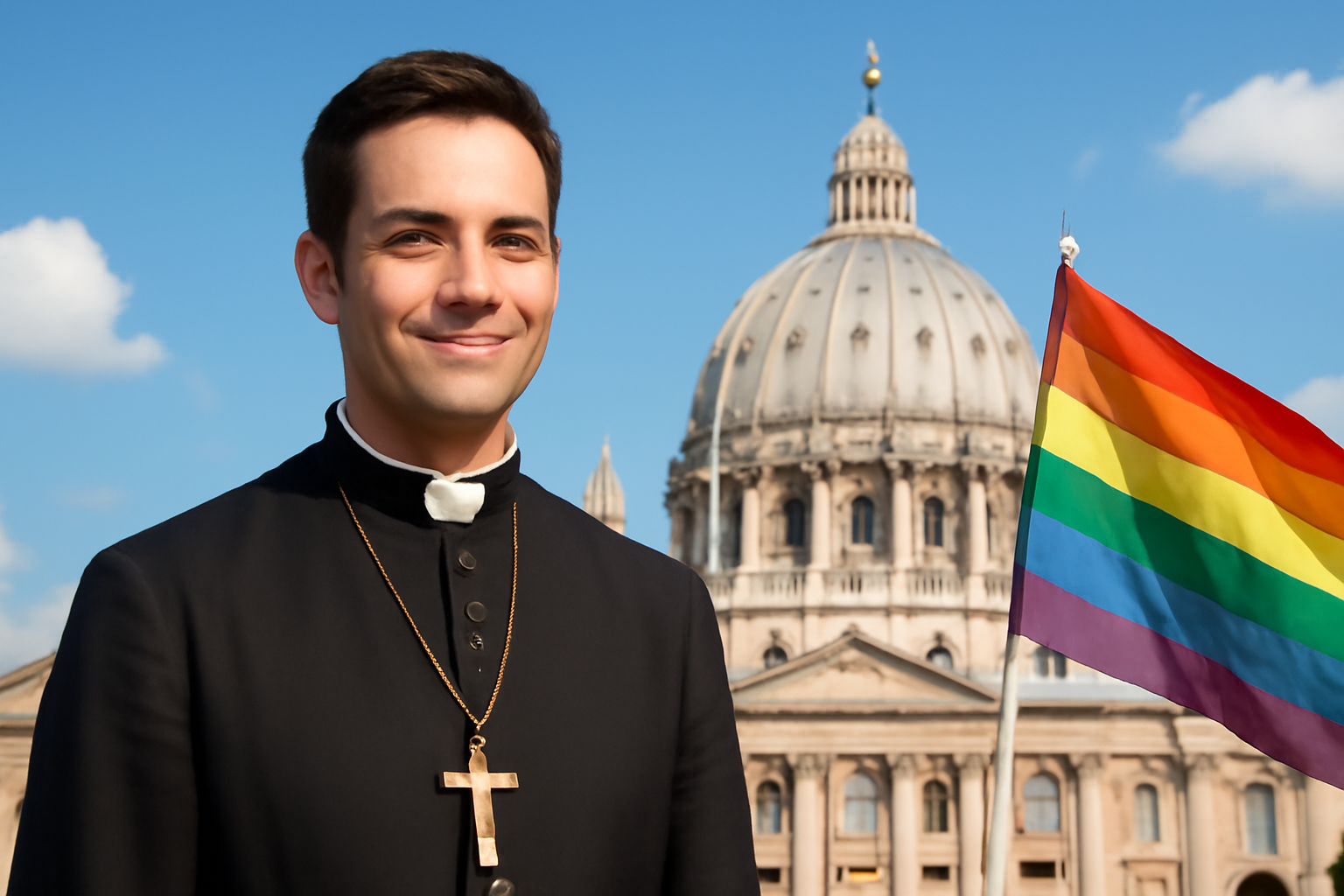
The Vatican has recently addressed its stance on the inclusion of gay priests, particularly focusing on those who are celibate and conform to traditional norms. This development highlights the complex relationship between the Catholic Church and the LGBTQ+ community, and it raises questions about the future of inclusivity within religious institutions.
Historical Context
Historically, the Catholic Church has had a complicated relationship with LGBTQ+ individuals. The Church’s teachings on sexuality have often been at odds with modern understandings of LGBTQ+ rights and identities. However, within the church, there has been a long-standing tradition of celibacy, which applies to all priests regardless of sexual orientation. This tradition may allow some space for gay priests who adhere to celibacy.
The Vatican's Current Stance
Currently, the Vatican appears to be cautiously open to accepting gay priests, as long as they remain celibate and do not openly challenge traditional church teachings. This conditional acceptance is rooted in the belief that celibacy is a key component of the priesthood, thus allowing gay priests to serve without contradicting the Church's doctrines on sexual activity. For many within the Church, this represents a step towards a more inclusive environment, even if it is fraught with limitations.
The Struggle for Authenticity
For many gay priests, the challenge lies in balancing their identity with the expectations of the Church. The requirement for celibacy can be seen as a restriction that prevents them from fully expressing their identity. While some may find solace in their faith and the community they serve, others struggle with the pressures to conform to a "straight-acting" demeanor. This can lead to internal conflict and a sense of isolation within the priesthood.
Perspectives from Within the Church
Voices within the Church vary widely on this issue. Some clergy members and laypeople advocate for a more inclusive approach that would allow gay priests to serve openly without the need for celibacy. Others maintain that the traditional teachings should remain unchanged. This diversity of opinions reflects a broader conversation within the Church about how best to approach issues of sexuality and identity.
Implications for the Future
The Vatican's current stance on gay priests could signal the beginning of a gradual shift towards greater inclusivity. By allowing celibate gay men to become priests, the Church might be opening the door to further discussions about LGBTQ+ inclusion in other areas. However, this cautious approach also risks alienating those who seek more immediate and significant changes.
Ultimately, the future of LGBTQ+ inclusion in the Catholic Church will depend on ongoing dialogue and a willingness to engage with diverse perspectives. As society evolves and attitudes towards LGBTQ+ individuals continue to change, the Church will likely face increasing pressure to reconcile its teachings with contemporary values.
Conclusion
In conclusion, the Vatican's acceptance of celibate, "straight-acting" gay priests is a nuanced development that reflects the broader challenges of inclusivity within religious institutions. While it represents a step forward for some, it also highlights the limitations and tensions that persist in the Church's relationship with LGBTQ+ individuals. The path to true inclusivity will require open-hearted dialogue and a commitment to understanding and embracing diversity within the faith community.
Related Posts
Supreme Court to Address State Bans on Trans Women in Female Sports
The upcoming U.S. Supreme Court term promises to be a pivotal moment for transgender rights, as the nation's highest court has agreed to evaluate whether states have the authority to prohibit transgender women from participating in female sports competitions. This case, scheduled to be argued in the next term beginning October, is expected to have a significant impact on the future of sports inclu [...]
Megan Rapinoe and Sue Bird Announce Amicable Separation After Ten Years Together
In a heartfelt announcement that resonated deeply within the sports and LGBTQ+ communities, soccer star Megan Rapinoe and basketball legend Sue Bird have revealed their decision to part ways after nearly a decade together. The couple, who have been icons both on and off the field, shared the news with their fans through a joint statement on social media, expressing that the choice was made with mu [...]
Groundbreaking Ruling Ends Sodomy Ban for Police and Military in the Dominican Republic
The Constitutional Court of the Dominican Republic recently delivered a landmark decision on November 18th, ruling that the nation’s police and armed forces are not permitted to criminalize consensual same-sex relations among their personnel. This pivotal ruling is a significant stride towards equality and the protection of LGBTQ+ rights within these institutions. A Resounding Victory for Equal [...]