
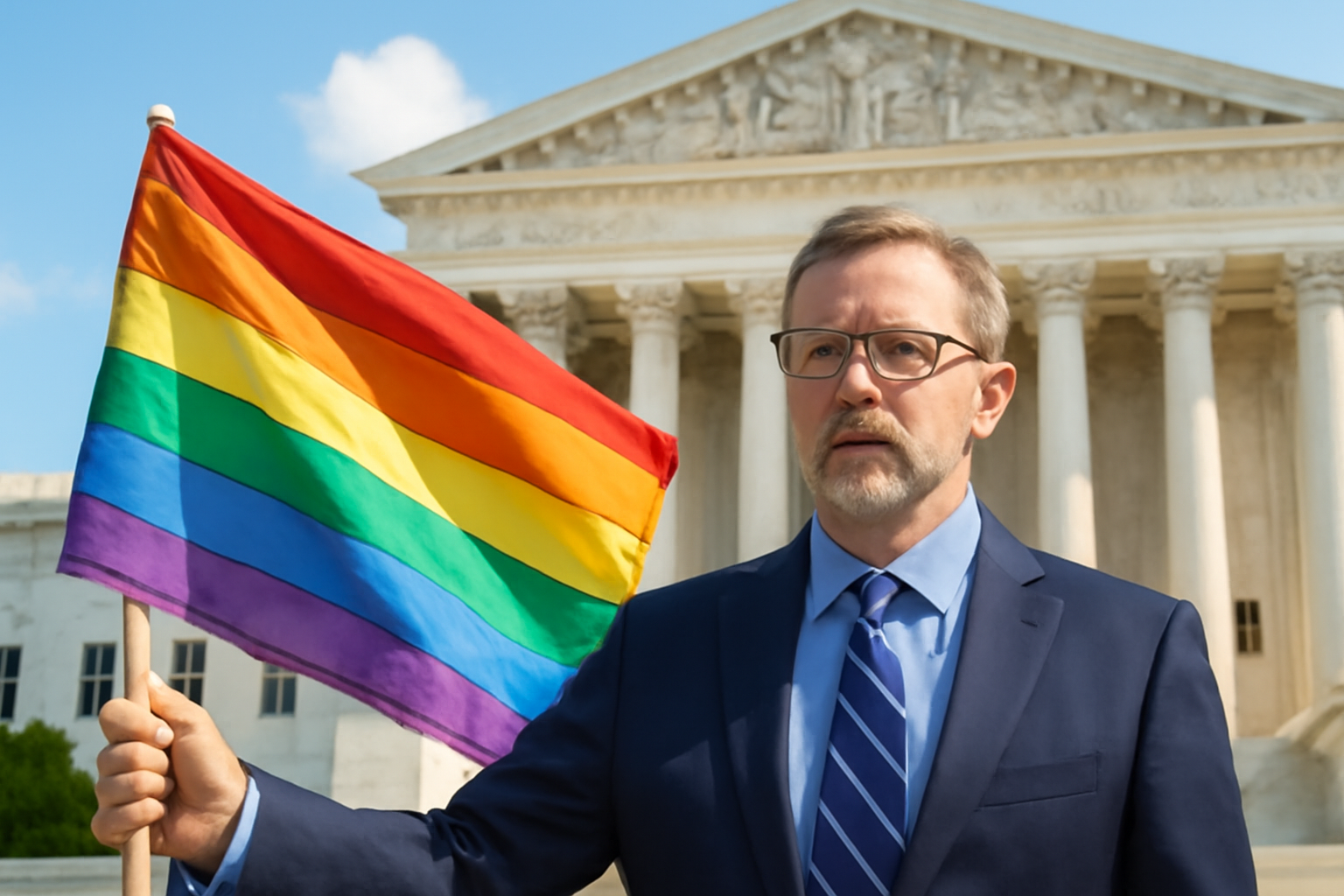
The recent Supreme Court ruling on what many have termed a "reverse discrimination" case has sparked significant discussion and debate across various communities, particularly within the LGBTQ+ community. This landmark decision has implications that reach far and wide, affecting policies, societal norms, and the ongoing discourse around equality and affirmative action.
Background of the Case
At the heart of the case was a lawsuit challenging the fairness of policies aimed at increasing diversity within educational institutions. The plaintiff argued that these policies discriminated against certain groups by providing preferential treatment to others, thereby constituting a form of "reverse discrimination." This case brought to the forefront the delicate balance between creating equitable opportunities and maintaining fairness for all individuals.
Ultimately, the Supreme Court's decision favored the plaintiff, ruling that the existing measures were indeed discriminatory. The ruling emphasized that while diversity remains a compelling interest, the methods employed must not infringe upon the rights of any group.
Key Takeaways from the Ruling
1. Reaffirmation of Equal Treatment: The court reiterated the importance of treating all individuals equally under the law, emphasizing that any form of discrimination, even if well-intentioned, is contrary to the principles of justice and equality.
2. Narrow Tailoring of Policies: Institutions are now required to ensure that their diversity policies are narrowly tailored. This means that any measures aimed at promoting diversity must be carefully designed to avoid unnecessary infringement on the rights of others.
3. Impact on Affirmative Action: The ruling casts a critical eye on affirmative action practices, encouraging a re-examination of how they are implemented in various sectors. This could lead to significant changes in how institutions approach diversity and inclusion.
4. Broader Implications for Discrimination Laws: The decision sets a precedent that may influence future cases related to discrimination, potentially reshaping the legal landscape regarding what constitutes fair treatment under the law.
5. Encouragement for Alternative Approaches: The ruling encourages institutions to explore alternative, non-discriminatory ways to achieve diversity and inclusion objectives. This calls for innovative thinking and a commitment to equal opportunity for all.
Implications for the LGBTQ+ Community
The LGBTQ+ community is particularly attentive to this ruling, as it underscores the ongoing struggle for equal rights and the complexity of institutional policies. Many fear that the decision might be used to challenge other affirmative action measures, including those designed to support LGBTQ+ individuals in educational and professional settings.
However, it's also an opportunity for the community to advocate for approaches that promote diversity without resorting to exclusionary practices. By engaging in open dialogue and collaboration, the LGBTQ+ community can help shape policies that reflect true inclusivity and fairness for all.
Moving Forward
As society grapples with the implications of this decision, it's vital to remain focused on the broader goals of equality and inclusion. Stakeholders across all sectors must work together to develop policies that reflect the values of fairness and justice, ensuring that diversity efforts do not inadvertently marginalize any group.
This ruling serves as a reminder of the importance of vigilance and advocacy in the pursuit of a truly equitable society. Whether through legislation, community engagement, or institutional reform, the path forward will require commitment, creativity, and a deep understanding of the diverse needs of all community members.
By learning from this ruling and its consequences, we have the opportunity to create a more just and inclusive future. It is a call to action for all who are committed to equality, demanding that we continually evaluate and improve our approaches to diversity, ensuring that they serve the interests of everyone, without exception.
Related Posts
Supreme Court to Address State Bans on Trans Women in Female Sports
The upcoming U.S. Supreme Court term promises to be a pivotal moment for transgender rights, as the nation's highest court has agreed to evaluate whether states have the authority to prohibit transgender women from participating in female sports competitions. This case, scheduled to be argued in the next term beginning October, is expected to have a significant impact on the future of sports inclu [...]
Megan Rapinoe and Sue Bird Announce Amicable Separation After Ten Years Together
In a heartfelt announcement that resonated deeply within the sports and LGBTQ+ communities, soccer star Megan Rapinoe and basketball legend Sue Bird have revealed their decision to part ways after nearly a decade together. The couple, who have been icons both on and off the field, shared the news with their fans through a joint statement on social media, expressing that the choice was made with mu [...]
Groundbreaking Ruling Ends Sodomy Ban for Police and Military in the Dominican Republic
The Constitutional Court of the Dominican Republic recently delivered a landmark decision on November 18th, ruling that the nation’s police and armed forces are not permitted to criminalize consensual same-sex relations among their personnel. This pivotal ruling is a significant stride towards equality and the protection of LGBTQ+ rights within these institutions. A Resounding Victory for Equal [...]