
Deepfake danger: How it's reshaping our society
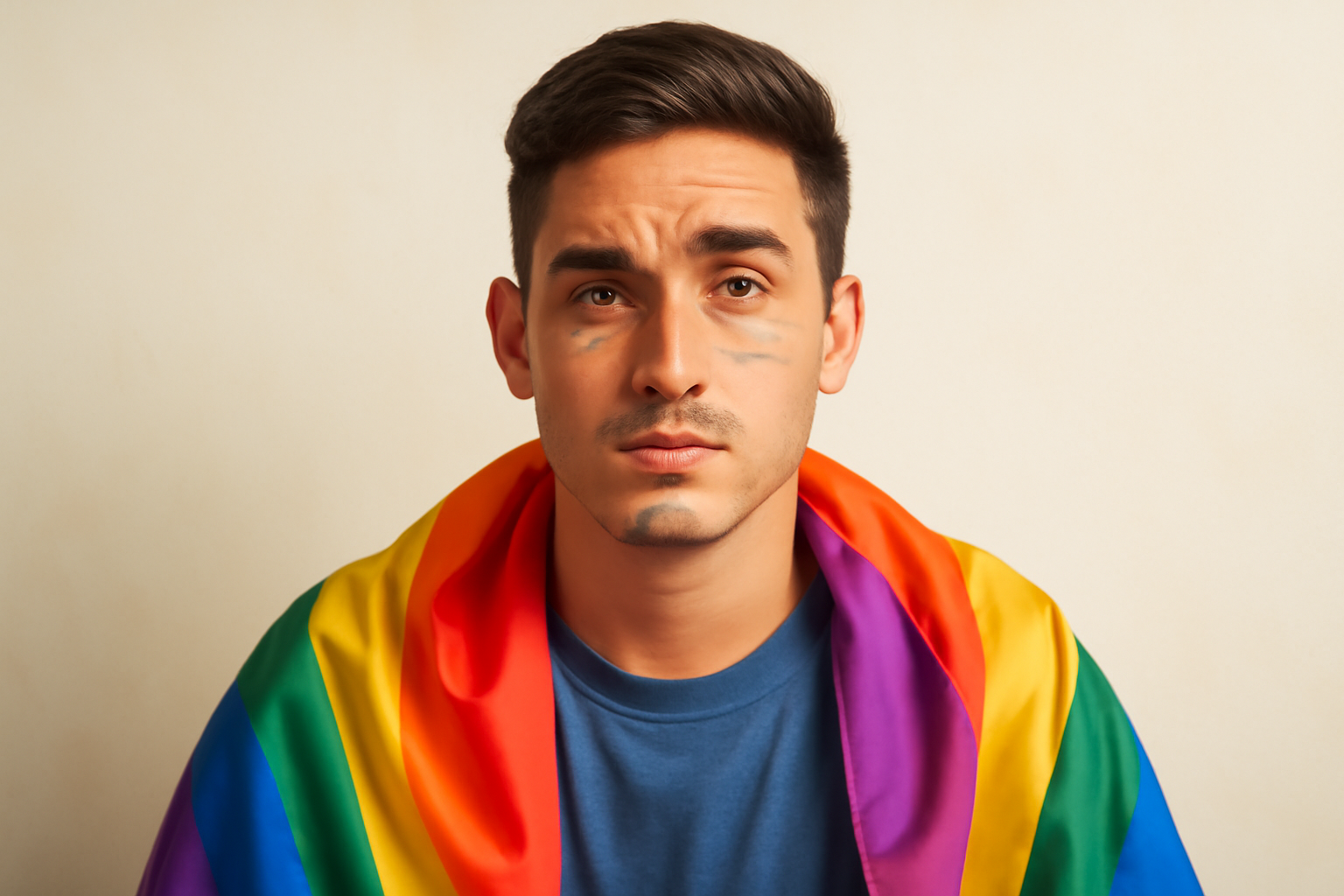
In today's rapidly evolving tech scene, we're seeing more than just cool gadgets—now we've got something called "deep fakes." Using artificial intelligence and deep learning, these realistic-looking fakes can morph videos, images, and audio in ways that are both fascinating and frightening. While sometimes they're harmless fun, they can also cause serious trouble, affecting individuals and entire communities. But let's not just focus on politicians and celebrities. It's equally important, if not more so, that we pay attention when deep fakes affect LGBTQ+ communities. As a group that often faces unfair treatment, they're particularly at risk from these deceptive technologies that can spread false stereotypes, invade personal privacy, and even incite violence.Deepfake dangers: How they hit LGBTQ+ communities hard
For LGBTQ+ individuals, deep fakes aren't just a technological oddity—they're a genuine threat. These folks already deal with enough discrimination; adding deep fakes' ability as a harassment tool only makes things worse. It's alarmingly easy now: someone can whip up a deepfake video fulling misrepresenting a person based on their sexual orientation or gender identity. Imagine if a convincing deepfake surfaced showing an LGBTQ+ activist doing something illegal or unethical. It could spread like wildfire on social media, tanking their reputation, discrediting their work, and putting them in harm's path—both online and in real life.Outing fears and privacy risks
Privacy? It's a precious commodity, especially in this context. For many people in LGBTQ+ communities, keeping their identity private isn't just a preference—it can be a matter or safety. Deep fakes that forcibly "out" someone can have terrifying consequences, particularly in places where being LGBTQ+ isn't accepted or even legal. Even in more accepting regions, just knowing deep fakes loom in possibility can cause serious anxiety. The fear that someone might create or spread a compromising video can leave individuals feeling trapped, as proving a deep fake isn't real can be tough.Fighting back against deep fakes
So, what's our game plan? Tackling deep fakes means going all-in on education and awareness. The more folks know about how deep fakes work and their impact, more people can spot them and think twice before hitting that "share" button on questionable content. Tech companies and social media giants have a part too. They need robust systems capable identifying and stopping deep fakes from going viral. AI and machine learning can be powerful allies here.Law and order: Legal measures against deep fakes
The legal system needs a revamp focused on deep fakes. We need laws protecting people from malicious uses and providing a course correction. Importantly, these laws must be mindful marginalized communities, like LGBTQ+ groups, are uniquely vulnerable. Organizations fighting LGBTQ+ rights are key players in pushing these legal changes forward, making sure those at most risk have their voices heard.Standing strong: Promoting vigilance and support
Deep fakes are tough foes, but they also bring communities together. By staying alert and informed, individuals empower themselves and others against deep fake threats. Building safe spaces and forming supportive networks can help everyone manage this evolving challenge. Through collective efforts, we can reduce risks and foster a more secure, inclusive online environment.Related Posts
Supreme Court to Address State Bans on Trans Women in Female Sports
The upcoming U.S. Supreme Court term promises to be a pivotal moment for transgender rights, as the nation's highest court has agreed to evaluate whether states have the authority to prohibit transgender women from participating in female sports competitions. This case, scheduled to be argued in the next term beginning October, is expected to have a significant impact on the future of sports inclu [...]
Megan Rapinoe and Sue Bird Announce Amicable Separation After Ten Years Together
In a heartfelt announcement that resonated deeply within the sports and LGBTQ+ communities, soccer star Megan Rapinoe and basketball legend Sue Bird have revealed their decision to part ways after nearly a decade together. The couple, who have been icons both on and off the field, shared the news with their fans through a joint statement on social media, expressing that the choice was made with mu [...]
Groundbreaking Ruling Ends Sodomy Ban for Police and Military in the Dominican Republic
The Constitutional Court of the Dominican Republic recently delivered a landmark decision on November 18th, ruling that the nation’s police and armed forces are not permitted to criminalize consensual same-sex relations among their personnel. This pivotal ruling is a significant stride towards equality and the protection of LGBTQ+ rights within these institutions. A Resounding Victory for Equal [...]