
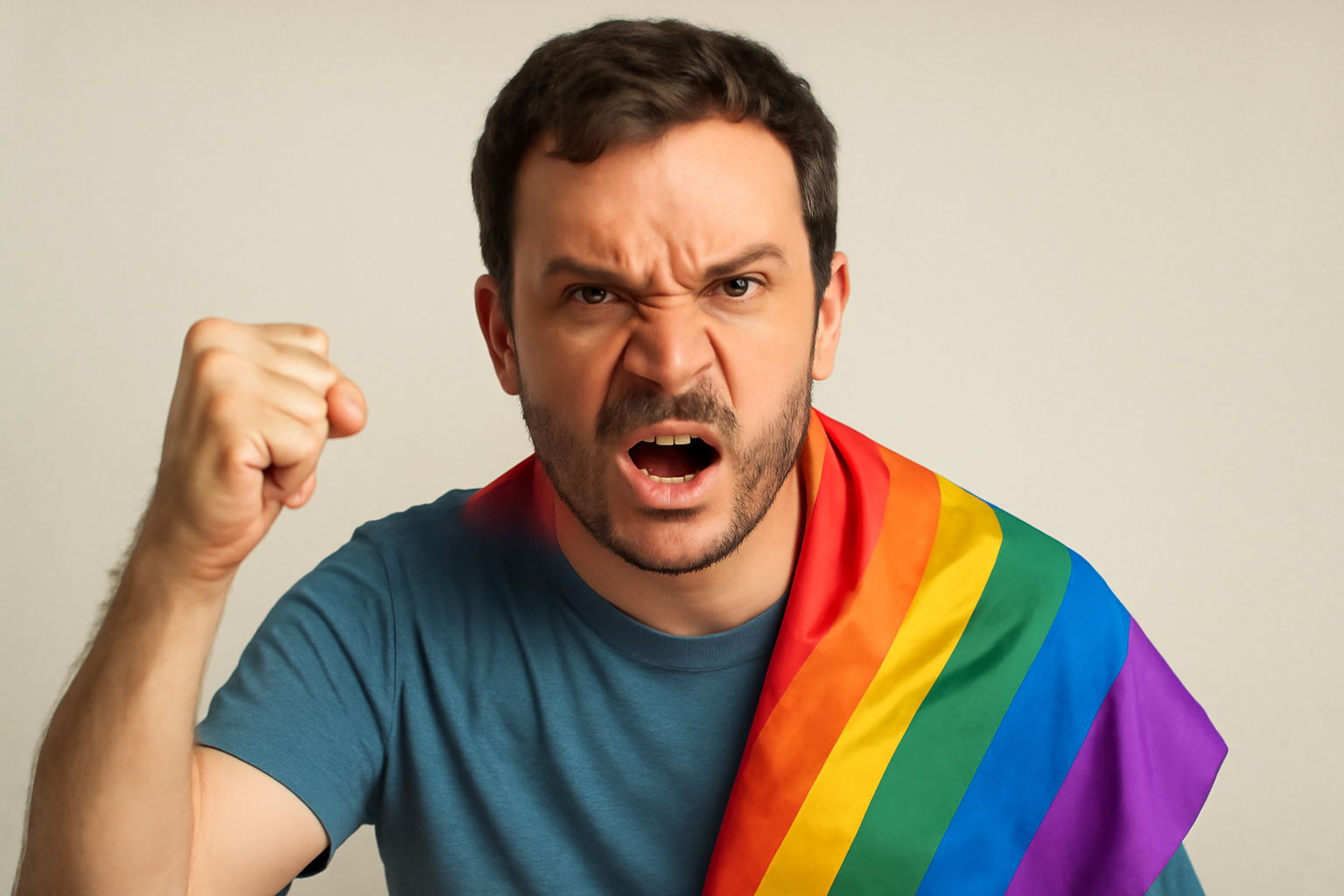
In the aftermath of the 2016 and 2020 U.S. elections, many people from marginalized communities, including LGBTQ+ individuals, have expressed feelings of anger and frustration towards those who voted for Donald Trump. Understanding these emotions involves recognizing the impact of political choices on personal lives and communities.
Recognizing the Root of the Anger
For many in the LGBTQ+ community, the election of Donald Trump signaled a potential rollback of hard-won rights and protections. During his presidency, various policies and rhetoric were perceived as direct attacks on the LGBTQ+ community, causing legitimate fear and anxiety. The administration's stance on issues like transgender military service, healthcare access, and protections against discrimination heightened these concerns.
The anger directed towards Trump voters stems from the belief that by supporting him, these voters endorsed or overlooked these harmful policies. To someone who identifies as LGBTQ+, this can feel deeply personal. When political decisions threaten one's basic rights or dignity, it stands to reason that those who supported such decisions might be seen as complicit in the harm caused.
The Personal is Political
For LGBTQ+ individuals, politics is not just a matter of abstract policies. It affects daily life, personal safety, and freedom. Many people in this community have faced discrimination, violence, or rejection. Political support for a candidate or platform that seems to validate such discrimination can be profoundly hurtful.
When someone votes for a candidate whose platform includes diminishing LGBTQ+ rights, it can feel like a personal betrayal. It’s a reminder that despite progress, many still see LGBTQ+ rights as negotiable or unimportant. This perception is painful, and it's understandable why it provokes anger.
Moving Beyond Anger
While anger is a natural and valid emotion, it can also be exhausting and divisive if not addressed constructively. Finding ways to move beyond anger can help promote healing and understanding. This involves recognizing that not all Trump voters may fully understand the impact of their vote on LGBTQ+ individuals.
Engaging in dialogue, when possible, can be an opportunity for education and empathy. Sharing personal stories and experiences can sometimes help others see the human side of political issues. That being said, it is not always the responsibility of marginalized individuals to educate others, nor is it always safe to engage in such discussions.
Finding Community and Support
For those who feel alienated or angry, finding community can be incredibly healing. Connecting with others who share similar experiences and feelings can provide validation and support. Online communities, local support groups, and advocacy organizations offer spaces where LGBTQ+ individuals can find solidarity and strength.
These communities can also serve as platforms for activism and change, turning anger into action. By working together to advocate for policies that protect and uplift LGBTQ+ rights, individuals can feel empowered in the face of adversity.
Conclusion
Feeling anger towards those who voted for Trump, especially from an LGBTQ+ perspective, is understandable given the stakes involved. However, channeling this anger constructively and finding community support can lead to positive outcomes. Ultimately, fostering understanding and advocating for change can help build a more inclusive and equitable society.
Related Posts
Supreme Court to Address State Bans on Trans Women in Female Sports
The upcoming U.S. Supreme Court term promises to be a pivotal moment for transgender rights, as the nation's highest court has agreed to evaluate whether states have the authority to prohibit transgender women from participating in female sports competitions. This case, scheduled to be argued in the next term beginning October, is expected to have a significant impact on the future of sports inclu [...]
Megan Rapinoe and Sue Bird Announce Amicable Separation After Ten Years Together
In a heartfelt announcement that resonated deeply within the sports and LGBTQ+ communities, soccer star Megan Rapinoe and basketball legend Sue Bird have revealed their decision to part ways after nearly a decade together. The couple, who have been icons both on and off the field, shared the news with their fans through a joint statement on social media, expressing that the choice was made with mu [...]
Groundbreaking Ruling Ends Sodomy Ban for Police and Military in the Dominican Republic
The Constitutional Court of the Dominican Republic recently delivered a landmark decision on November 18th, ruling that the nation’s police and armed forces are not permitted to criminalize consensual same-sex relations among their personnel. This pivotal ruling is a significant stride towards equality and the protection of LGBTQ+ rights within these institutions. A Resounding Victory for Equal [...]