
Introduction to Religious Freedom Laws
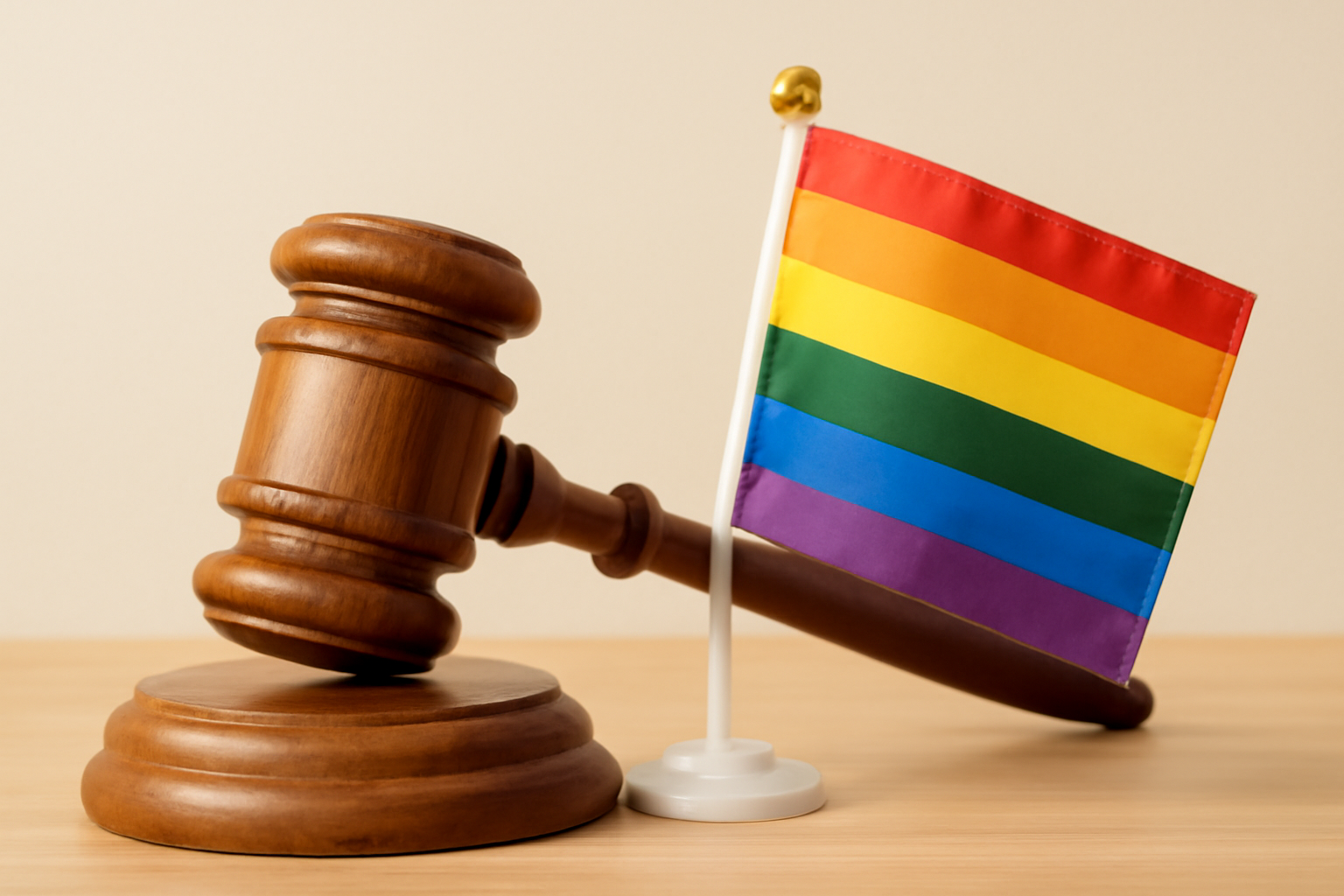
In recent years, the term "religious freedom" has been increasingly used in legal and political arenas as a way to justify certain exemptions from laws under the guise of protecting religious beliefs. While the concept of religious freedom is a fundamental human right, intended to protect individuals' ability to practice their faith without interference, the application of these laws has often raised concerns, particularly among the LGBTQ+ community.
The Intent and Origins of Religious Freedom Legislation
Historically, religious freedom laws were designed to prevent discrimination against individuals based on their religious beliefs and to ensure that the government does not unduly interfere with religious practices. The First Amendment to the United States Constitution guarantees this freedom, and similar protections exist in other nations. However, in the past few decades, there has been a noticeable shift in how these laws are applied.
The introduction of bills like the Religious Freedom Restoration Act (RFRA) in 1993 was intended to protect religious minorities from government actions that might burden their religious practice. These laws were crafted to reaffirm the commitment to religious liberty while balancing it with other societal interests. However, the landscape began to change as these laws were increasingly invoked in cases where individuals or organizations sought to deny services or rights to LGBTQ+ individuals.
Religious Freedom Laws in Practice
One of the most contentious aspects of religious freedom laws is their use by some businesses and individuals to refuse service to LGBTQ+ people. For instance, there have been several high-profile cases where businesses have cited religious beliefs as a reason for not providing services such as baking wedding cakes, photographing weddings, or offering other services to same-sex couples. These instances have sparked significant debate and legal challenges, as they raise important questions about the boundary between religious liberty and anti-discrimination protections.
In addition to the denial of services, religious freedom laws have also been cited in cases involving employment. Some employers have argued that their religious beliefs should allow them to make hiring and firing decisions based on an employee's sexual orientation or gender identity. This application of religious freedom has raised alarms among LGBTQ+ advocates, who argue that such practices undermine hard-won protections against workplace discrimination.
The Impact on LGBTQ+ Rights
The impact of religious freedom laws on LGBTQ+ rights is profound. By allowing individuals and businesses to claim religious exemptions, these laws can effectively sanction discrimination, making it more difficult for LGBTQ+ individuals to access essential services and protections. This can lead to a chilling effect, where LGBTQ+ people feel unwelcome or unsafe in certain communities or businesses.
Moreover, the use of religious freedom defenses in legal cases has often led to conflicting court decisions, creating a patchwork of rulings that vary significantly by jurisdiction. This lack of consistency can leave both service providers and LGBTQ+ individuals uncertain about their rights and obligations, further complicating the already complex landscape of civil rights law.
Moving Forward: Finding Balance
As society continues to grapple with these issues, it is crucial to find a balance that respects religious beliefs while also protecting the rights of all individuals, regardless of their sexual orientation or gender identity. Some advocates suggest that clearer legislation is needed to delineate the boundaries of religious freedom, ensuring that it cannot be used as a blanket justification for discrimination.
Furthermore, dialogue and education are essential in bridging the gap between religious communities and the LGBTQ+ community. By fostering mutual understanding and respect, there can be a path forward that honors both religious liberties and the dignity of LGBTQ+ individuals.
In conclusion, while religious freedom is a cornerstone of democratic society, its application must be carefully considered to prevent harm to marginalized communities. By prioritizing inclusivity and understanding, society can uphold the true spirit of religious freedom—one that champions the rights and dignity of all people.
With ongoing advocacy and thoughtful policy-making, it is possible to create a society where religious beliefs and LGBTQ+ rights coexist without conflict. The journey to achieving this balance continues, and it requires the commitment and participation of individuals from all walks of life.
Related Posts
Supreme Court to Address State Bans on Trans Women in Female Sports
The upcoming U.S. Supreme Court term promises to be a pivotal moment for transgender rights, as the nation's highest court has agreed to evaluate whether states have the authority to prohibit transgender women from participating in female sports competitions. This case, scheduled to be argued in the next term beginning October, is expected to have a significant impact on the future of sports inclu [...]
Megan Rapinoe and Sue Bird Announce Amicable Separation After Ten Years Together
In a heartfelt announcement that resonated deeply within the sports and LGBTQ+ communities, soccer star Megan Rapinoe and basketball legend Sue Bird have revealed their decision to part ways after nearly a decade together. The couple, who have been icons both on and off the field, shared the news with their fans through a joint statement on social media, expressing that the choice was made with mu [...]
Groundbreaking Ruling Ends Sodomy Ban for Police and Military in the Dominican Republic
The Constitutional Court of the Dominican Republic recently delivered a landmark decision on November 18th, ruling that the nation’s police and armed forces are not permitted to criminalize consensual same-sex relations among their personnel. This pivotal ruling is a significant stride towards equality and the protection of LGBTQ+ rights within these institutions. A Resounding Victory for Equal [...]