
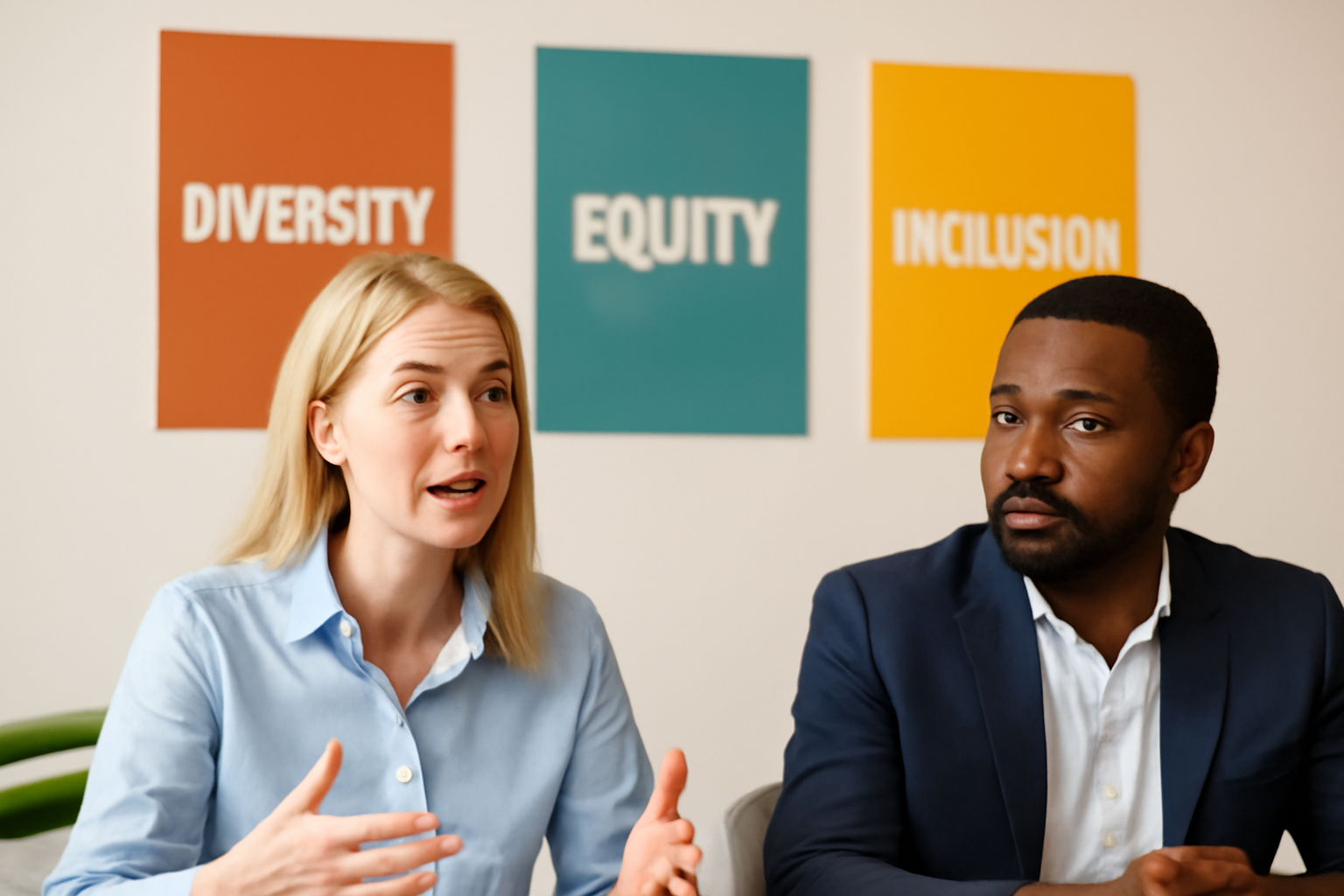
In recent years, the terms Diversity, Equity, and Inclusion (DEI) have become central to discussions about workplace culture and corporate responsibility. DEI initiatives are designed to create an environment where all employees feel valued and can contribute their unique perspectives. However, a growing trend has emerged where some companies are scaling back or eliminating these programs. This article explores what DEI truly means, its significance, and why some organizations are reconsidering their commitment to these values.
What is DEI?
DEI stands for Diversity, Equity, and Inclusion. Each component plays a critical role in shaping a workplace that respects and values differences among individuals.
Diversity refers to the presence of differences within a given setting. In a corporate context, this includes race, gender, age, sexual orientation, disability, and other dimensions. A diverse workforce brings a variety of perspectives that can drive innovation and creativity.
Equity involves ensuring fair treatment, opportunities, and advancement for all individuals. It goes beyond mere equality by recognizing that different people have different needs. Equity seeks to provide resources and support tailored to those needs so everyone can succeed.
Inclusion is the practice of making all members of an organization feel welcomed and valued. It involves creating an environment where diverse individuals are able to participate fully in the decision-making processes and lead within the organization.
The Importance of DEI in the Workplace
DEI initiatives help build a more cohesive and engaged workforce. They contribute to an environment where all employees feel respected, leading to higher job satisfaction and lower turnover rates. Inclusive workplaces also tend to attract top talent, as prospective employees are increasingly looking for employers who are committed to these values.
Moreover, research has shown that diversity can enhance business performance. Companies with diverse teams are better equipped to understand and serve a broader customer base. They also tend to be more innovative, as different perspectives lead to more creative problem-solving.
Why Are Some Companies Scaling Back on DEI?
Despite the documented benefits, some organizations are pulling back on DEI initiatives. Several factors contribute to this trend:
- Economic Pressures: In times of economic downturns, companies often cut costs. Unfortunately, DEI programs are sometimes viewed as non-essential expenditures.
- Political and Social Backlash: As societal debates around identity politics intensify, some companies face pressure from stakeholders who view DEI efforts as politically motivated rather than business-oriented.
- Lack of Immediate Results: DEI is a long-term commitment that requires ongoing effort and resources. Some companies become impatient with the pace of change and decide to allocate resources elsewhere.
- Misunderstandings: There is often a lack of understanding about what DEI truly entails. Companies may implement superficial changes without addressing systemic issues, leading to disillusionment with the results.
The Path Forward
For DEI to succeed, it must be integrated into the core values and strategies of an organization. This means going beyond token gestures and committing to authentic, systemic change. Leaders should engage in continuous learning and dialogue to understand the complex dynamics at play.
Additionally, transparency and accountability are crucial. Companies should set clear goals, measure progress, and communicate openly about both successes and challenges in their DEI journey.
Finally, fostering an inclusive culture requires the active participation of all employees. Organizations can achieve this by offering training and resources that help individuals understand their role in promoting diversity, equity, and inclusion.
While the road to genuine change can be challenging, the benefits of a truly diverse, equitable, and inclusive workplace are undeniable. Companies that remain committed to these principles will not only enhance their own success but also contribute to a more just and equitable society.
Related Posts
Supreme Court to Address State Bans on Trans Women in Female Sports
The upcoming U.S. Supreme Court term promises to be a pivotal moment for transgender rights, as the nation's highest court has agreed to evaluate whether states have the authority to prohibit transgender women from participating in female sports competitions. This case, scheduled to be argued in the next term beginning October, is expected to have a significant impact on the future of sports inclu [...]
Megan Rapinoe and Sue Bird Announce Amicable Separation After Ten Years Together
In a heartfelt announcement that resonated deeply within the sports and LGBTQ+ communities, soccer star Megan Rapinoe and basketball legend Sue Bird have revealed their decision to part ways after nearly a decade together. The couple, who have been icons both on and off the field, shared the news with their fans through a joint statement on social media, expressing that the choice was made with mu [...]
Groundbreaking Ruling Ends Sodomy Ban for Police and Military in the Dominican Republic
The Constitutional Court of the Dominican Republic recently delivered a landmark decision on November 18th, ruling that the nation’s police and armed forces are not permitted to criminalize consensual same-sex relations among their personnel. This pivotal ruling is a significant stride towards equality and the protection of LGBTQ+ rights within these institutions. A Resounding Victory for Equal [...]