
The struggle for transgender rights in Kenya faces uncertainty as efforts to obtain birth certificates reflecting gender identity encounter significant legal challenges.
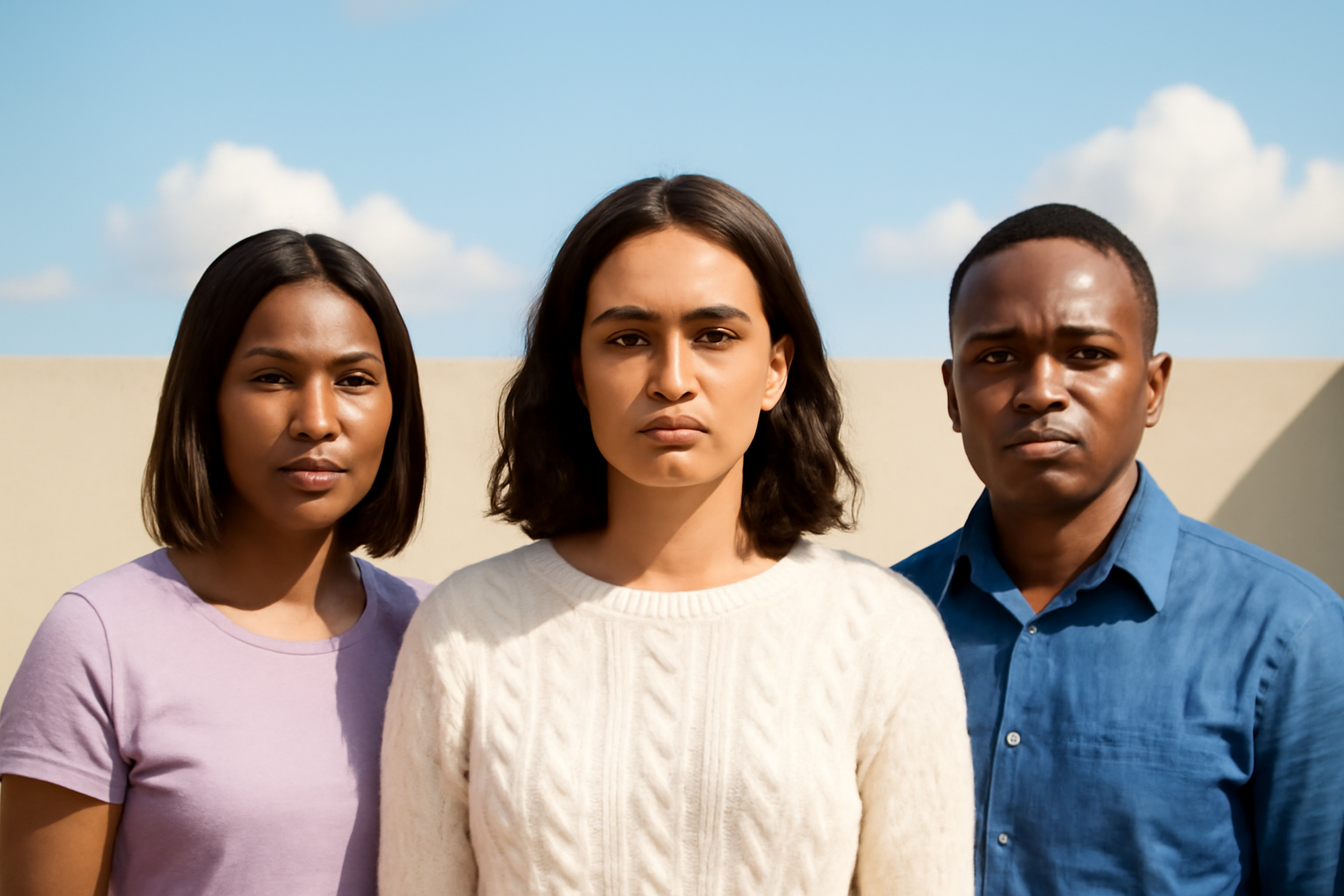
In a pivotal case, three transgender individuals — Audrey Mbugua, Maurene Muia, and Arnest Thaiya — are petitioning for amended birth certificates that align with their gender identity. Despite achieving some legal victories, their journey remains fraught with hurdles.
The Attorney General, Dorcus Oduor, has filed a motion with the High Court to dismiss the case. Oduor's stance is rooted in the assertion that individuals are born as either male or female and that the existing legal framework in Kenya does not support altering one's sex post-adulthood. Her argument emphasizes that gender identity and the issuance of birth certificates are traditionally based on physical attributes. However, this view notably exempts intersex individuals.
Legal Recognition for Intersex Individuals
Recently, Kenya took a progressive step by recognizing intersex individuals officially. A government notice in the Kenya Gazette confirmed that intersex people can now receive birth certificates marked with an "I" gender identifier. This change was propelled by a historic law enacted in 2022, which granted intersex individuals specific recognition and rights.
Despite this advancement, transgender individuals remain outside these legal reforms, as Oduor argues that the law does not envisage gender changes based on transgender identity markers.
Challenging the Status Quo
The plaintiffs, Mbugua, Muia, and Thaiya, contest Oduor's argument, emphasizing that the determination of gender is subjective rather than scientific. They argue that current discrepancies in essential documents, such as birth certificates, identity cards, and passports, result in lost opportunities and rights.
They assert that biological and psychological components of sex, including chromosomes, gonadal structures, hormones, and brain composition, extend beyond mere genitalia. The plaintiffs argue against forcing trans individuals to retain names inconsistent with their gender identity.
Oduor, however, maintains that changes to official documents are restricted to correcting errors, like spelling mistakes, rather than altering gender markers.
Advocacy and Legal Battles
Several advocacy groups, including Amka Africa Justice, Jinsiangu Kenya, and the Kenya Human Rights Commission, have joined the legal battle to support the plaintiffs. These organizations strive to advance transgender rights and ensure equal access to critical healthcare and services without discrimination.
Audrey Mbugua, a prominent transgender activist, has been at the forefront of the legal fight for over ten years. Her groundbreaking case in 2014 led to a court ruling requiring the Kenya National Examinations Council to amend her name and gender marker on her academic certificates.
Mbugua also founded Transgender Education and Advocacy, the first publicly funded transgender rights organization in Kenya. The group provides legal aid for name and gender marker changes, campaigns for legal reforms, and delivers economic assistance to combat poverty and sexual exploitation among transgender individuals.
Jinsiangu Kenya, established in 2018, advocates for equal healthcare access and other essential services irrespective of gender identity or expression. Their 2021 report revealed that 63% of transgender people surveyed lacked identity documents that matched their gender identity, while 10% reported being denied ID cards or passports and faced unemployment due to inadequate documentation.
Looking Forward
The case's outcome remains pivotal for the future of transgender rights in Kenya, reflecting broader struggles for gender identity recognition. The plaintiffs' legal battle highlights the ongoing challenges faced by transgender individuals in securing identity documents that accurately reflect their lived gender, crucial for accessing opportunities and asserting their rights.
As the legal proceedings continue, advocacy groups remain committed to supporting the plaintiffs and pushing for comprehensive legal reforms to protect and promote the rights of transgender individuals across Kenya.
The push for inclusion and recognition of diverse gender identities in Kenya's legal framework continues to be an uphill battle, with significant implications for the country's human rights landscape.
Related Posts
Supreme Court to Address State Bans on Trans Women in Female Sports
The upcoming U.S. Supreme Court term promises to be a pivotal moment for transgender rights, as the nation's highest court has agreed to evaluate whether states have the authority to prohibit transgender women from participating in female sports competitions. This case, scheduled to be argued in the next term beginning October, is expected to have a significant impact on the future of sports inclu [...]
Megan Rapinoe and Sue Bird Announce Amicable Separation After Ten Years Together
In a heartfelt announcement that resonated deeply within the sports and LGBTQ+ communities, soccer star Megan Rapinoe and basketball legend Sue Bird have revealed their decision to part ways after nearly a decade together. The couple, who have been icons both on and off the field, shared the news with their fans through a joint statement on social media, expressing that the choice was made with mu [...]
Groundbreaking Ruling Ends Sodomy Ban for Police and Military in the Dominican Republic
The Constitutional Court of the Dominican Republic recently delivered a landmark decision on November 18th, ruling that the nation’s police and armed forces are not permitted to criminalize consensual same-sex relations among their personnel. This pivotal ruling is a significant stride towards equality and the protection of LGBTQ+ rights within these institutions. A Resounding Victory for Equal [...]