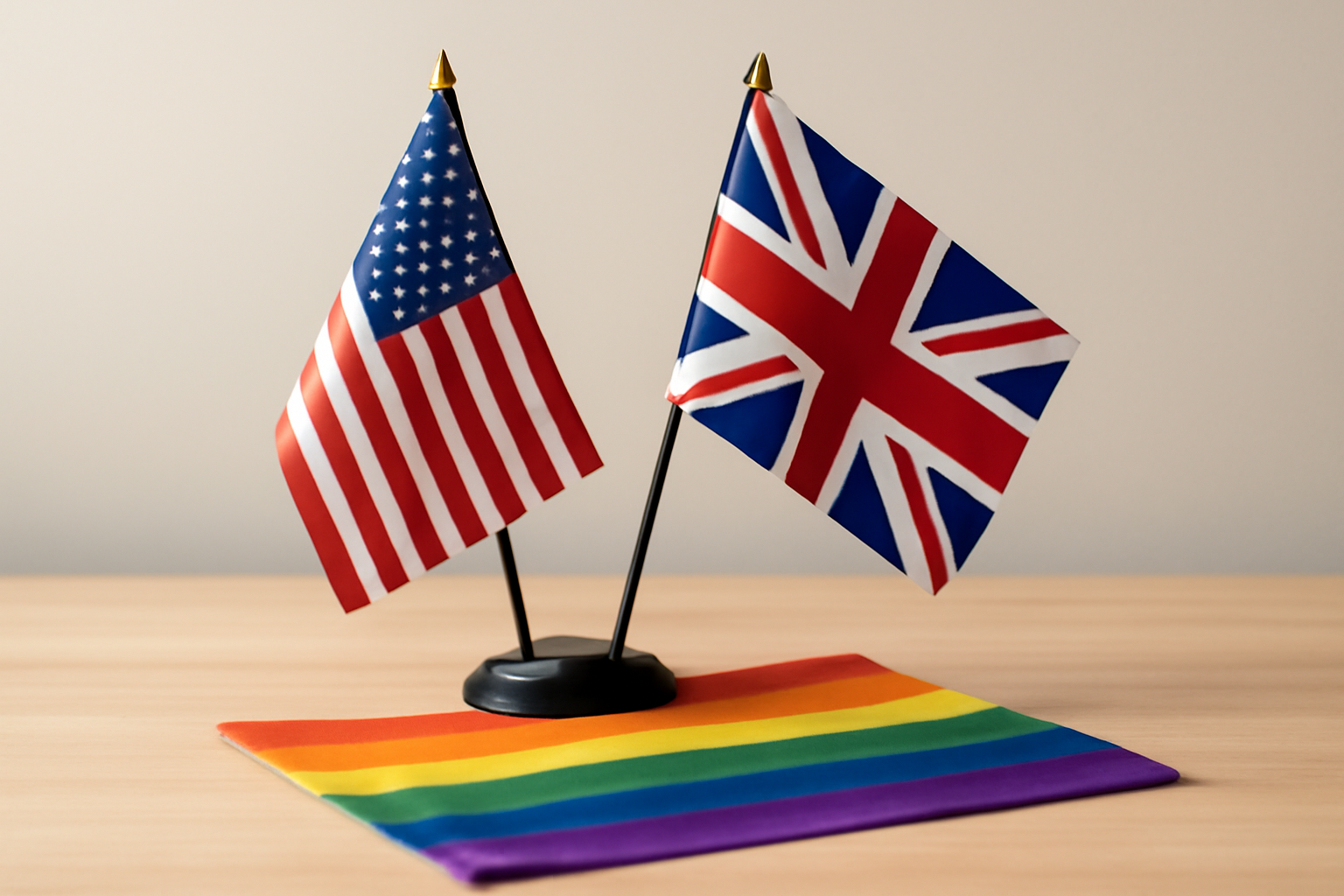
**How trade talks may impact U.K. hate speech protections**
The ongoing trade discussions between Washington and London are raising eyebrows, and not just because they're about tariffs or tech. There are real worries about how these talks might affect LGBTQ+ hate speech protections in Britain. Some reports suggest that U.S. political leaders are nudgin' U.K. officials towards tweaking their hate speech laws as part and parcel with these trade negotiations.
**Getting a grip on U.K. hate speech laws**
So, what's all this about U.K. hate speech laws? Over in England, Northern Ireland, and Wales, it's illegal incite hatred based on sexual orientation. Scotland takes it a step further by including gender identity in its legislation. The whole idea behind these laws? They're there so marginalized communities can feel safe and less threatened by discrimination or violence.
Now, in contrast, across The Pond, America doesn't have federal hate speech laws. That stems from their robust interpretation and defense free speech. It's a sticking point, really, and often stirs debates between these two nations about where you draw that line between free expression and combat hate speech.
**Trade negotiations and political dynamics**
These U.S.-U.K. trade negotiations have been dragging on, aiming mostly at slashing tariffs and boosting ties in areas like AI and biotech. Lately, though, there's been chatter that these negotiations might be influencing Britain's stance on its hate speech laws.
Some American officials, like J.D. Vance, seem keen on getting Britain onboard with American-style free speech views, suggesting they dial back or even scrap existing hate speech protections. It's coming off as part and parcel with a bigger play — sealing a trade deal that sweetens both nations' economic pies.
**Community concerns and responses**
Now, don't think these proposals are sailing smoothly. Various advocacy groups and concerned citizens aren't holding back, voicing fierce opposition. They argue that such protections are essential — without them, LGBTQ+ communities could be more at risk. Critics fear that watering down these laws could open floodgates, leading possibly more hate crimes and discrimination.
In Britain, there's a hefty dose resistance against any perceived step back. The U.K.'s Secretary State Business and Trade, Jonathan Reynolds, has been crystal clear — fair trade shouldn't mean sacrificing human rights.
**Cultural connections and their weight**
Vance likes pointing out those deep-rooted cultural ties between America and Britain, saying shared values and history support this trade deal. But critics aren't buying it. They argue that cultural ties shouldn't trump necessary protections vulnerable groups.
Despite all this back-and-forth, both sides still want a deal that works well economically and reflects their shared interests. As talks continue, different voices keep chiming in, trying steer where all this will end up.
**Looking ahead**
As discussions move forward, LGBTQ+ communities and their supporters are staying vigilant, keeping an eye on how things shake out. This trade deal isn't just about money; it's about values and how committed both countries are equality.
The stakes are high, and where this all lands could significantly influence both nations' attitudes toward free speech and protection marginalized groups.
To keep your finger on this pulse and other pressing issues, consider tuning in LGBTQ-focused news sources and advocacy groups. Staying informed lets you stay engaged with how human rights and international trade are evolving.
