
Introduction
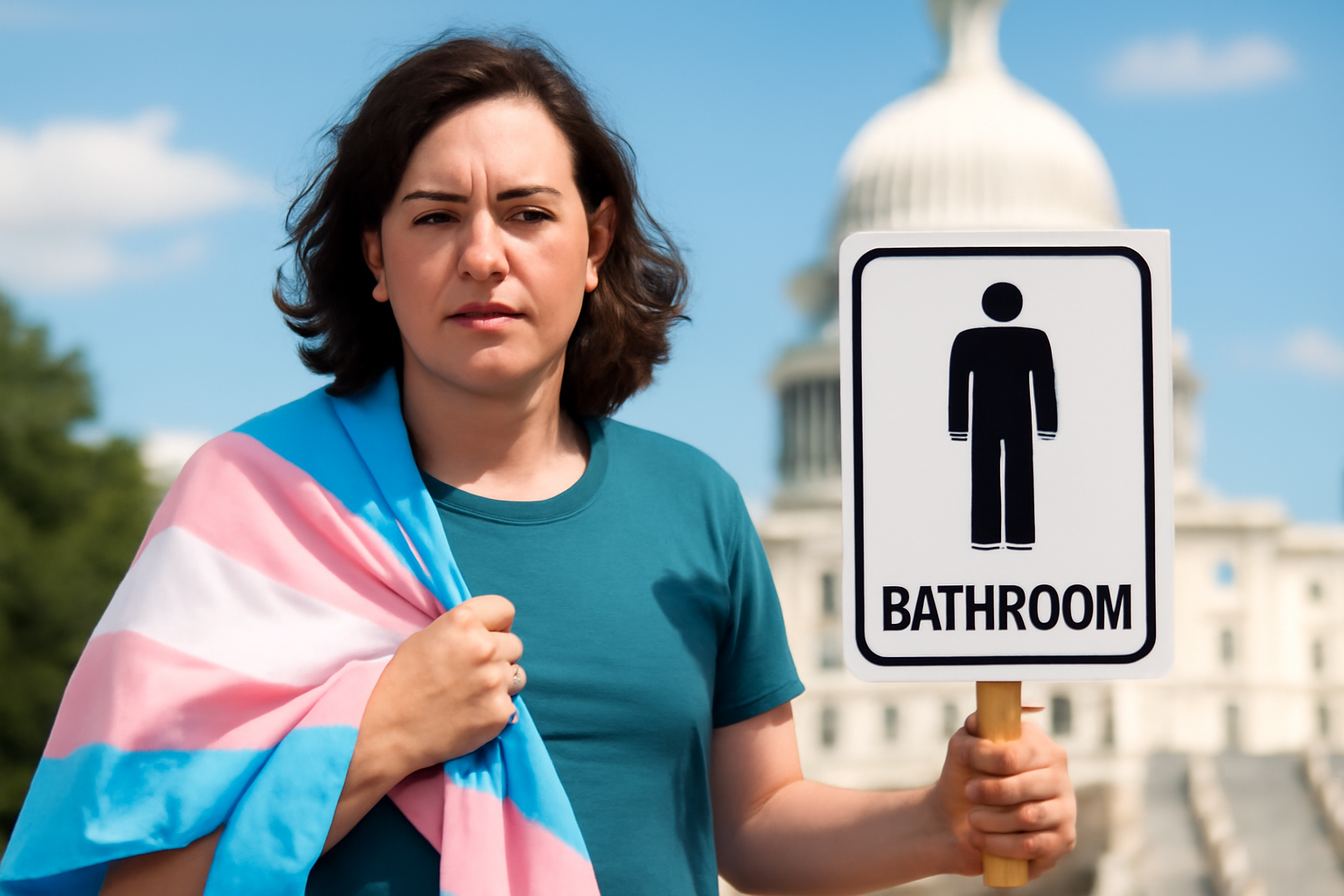
In a move that has sparked significant controversy and debate, the U.S. House of Representatives has recently instituted a new policy regarding the use of bathrooms that has been described by many as discriminatory against transgender individuals. The policy, quietly enacted under the radar, has become a focal point of criticism from LGBTQ+ rights advocates and community members, who see it as a step backward in the fight for equality and inclusion.
The New Policy
The policy, implemented under the leadership of Speaker Mike Johnson, restricts the use of bathroom facilities in the House to individuals based on their "biological sex" as recorded at birth. This decision effectively bans transgender individuals from using the bathroom that aligns with their gender identity while within the legislative body’s facilities.
Supporters of this policy argue that it is intended to address privacy and safety concerns. However, opponents argue that it is a thinly veiled attempt to marginalize and discriminate against transgender people, undermining their rights and dignity in a public setting.
Reactions from LGBTQ+ Advocates
LGBTQ+ advocacy groups have been swift and vocal in their condemnation of the policy. "This is a blatant attack on the rights of transgender individuals," said a spokesperson from a leading LGBTQ+ rights organization. "Policies like these only serve to perpetuate discrimination and reinforce harmful stereotypes. Transgender people deserve the same rights and respect as everyone else, including the right to use the bathroom that matches their gender identity."
Many advocates see this move as part of a broader trend of anti-LGBTQ+ legislation and rhetoric that has been gaining traction in certain political circles. "This is not an isolated incident," the spokesperson continued. "It is part of a systematic effort to roll back the hard-won rights and protections for LGBTQ+ individuals."
Impact on Transgender Individuals
The impact of such a policy is deeply personal for transgender individuals who work in or visit the House of Representatives. "It’s dehumanizing," said one transgender staffer who wished to remain anonymous. "Being told that you cannot use the bathroom that aligns with who you truly are is not just inconvenient—it’s humiliating and invalidating."
For many transgender people, access to appropriate bathroom facilities is not just a matter of comfort, but of safety. Public restrooms have historically been spaces where transgender individuals face harassment and violence, and policies like this exacerbate those risks by forcing them into potentially hostile environments.
Broader Implications
Beyond the immediate impact on individuals, this policy has broader implications for the work environment and culture within the House of Representatives. It sends a message about whose rights and identities are valued and respected. Critics argue that it sets a dangerous precedent for other government institutions and public spaces, potentially paving the way for similar discriminatory policies elsewhere.
Furthermore, this policy could affect the willingness of talented transgender individuals to pursue careers in government or public service, knowing that they may be subject to such discriminatory practices.
Looking Forward
As the policy begins to draw more public attention, there are growing calls for its reversal. Advocacy groups are mobilizing to challenge the decision and push for more inclusive and equitable policies within the House of Representatives and beyond.
"We will not stand idly by while our rights are being stripped away," said another advocate. "We urge members of the House to reconsider this policy and work towards a more inclusive and respectful environment for all individuals, regardless of gender identity."
The debate over this policy is likely to continue, highlighting the ongoing struggle for transgender rights and the importance of vigilance and advocacy in the face of discriminatory policies.
Conclusion
As the fight for LGBTQ+ rights continues, this recent policy serves as a stark reminder of the challenges that remain. It underscores the need for continued advocacy and activism to ensure that all individuals are treated with dignity and respect, and have the freedom to live authentically without fear of discrimination.
In these times, it is crucial for allies and advocates to stand together with the transgender community, amplifying voices and demanding change in the pursuit of a more inclusive society.
Related Posts
Supreme Court to Address State Bans on Trans Women in Female Sports
The upcoming U.S. Supreme Court term promises to be a pivotal moment for transgender rights, as the nation's highest court has agreed to evaluate whether states have the authority to prohibit transgender women from participating in female sports competitions. This case, scheduled to be argued in the next term beginning October, is expected to have a significant impact on the future of sports inclu [...]
Megan Rapinoe and Sue Bird Announce Amicable Separation After Ten Years Together
In a heartfelt announcement that resonated deeply within the sports and LGBTQ+ communities, soccer star Megan Rapinoe and basketball legend Sue Bird have revealed their decision to part ways after nearly a decade together. The couple, who have been icons both on and off the field, shared the news with their fans through a joint statement on social media, expressing that the choice was made with mu [...]
Groundbreaking Ruling Ends Sodomy Ban for Police and Military in the Dominican Republic
The Constitutional Court of the Dominican Republic recently delivered a landmark decision on November 18th, ruling that the nation’s police and armed forces are not permitted to criminalize consensual same-sex relations among their personnel. This pivotal ruling is a significant stride towards equality and the protection of LGBTQ+ rights within these institutions. A Resounding Victory for Equal [...]