
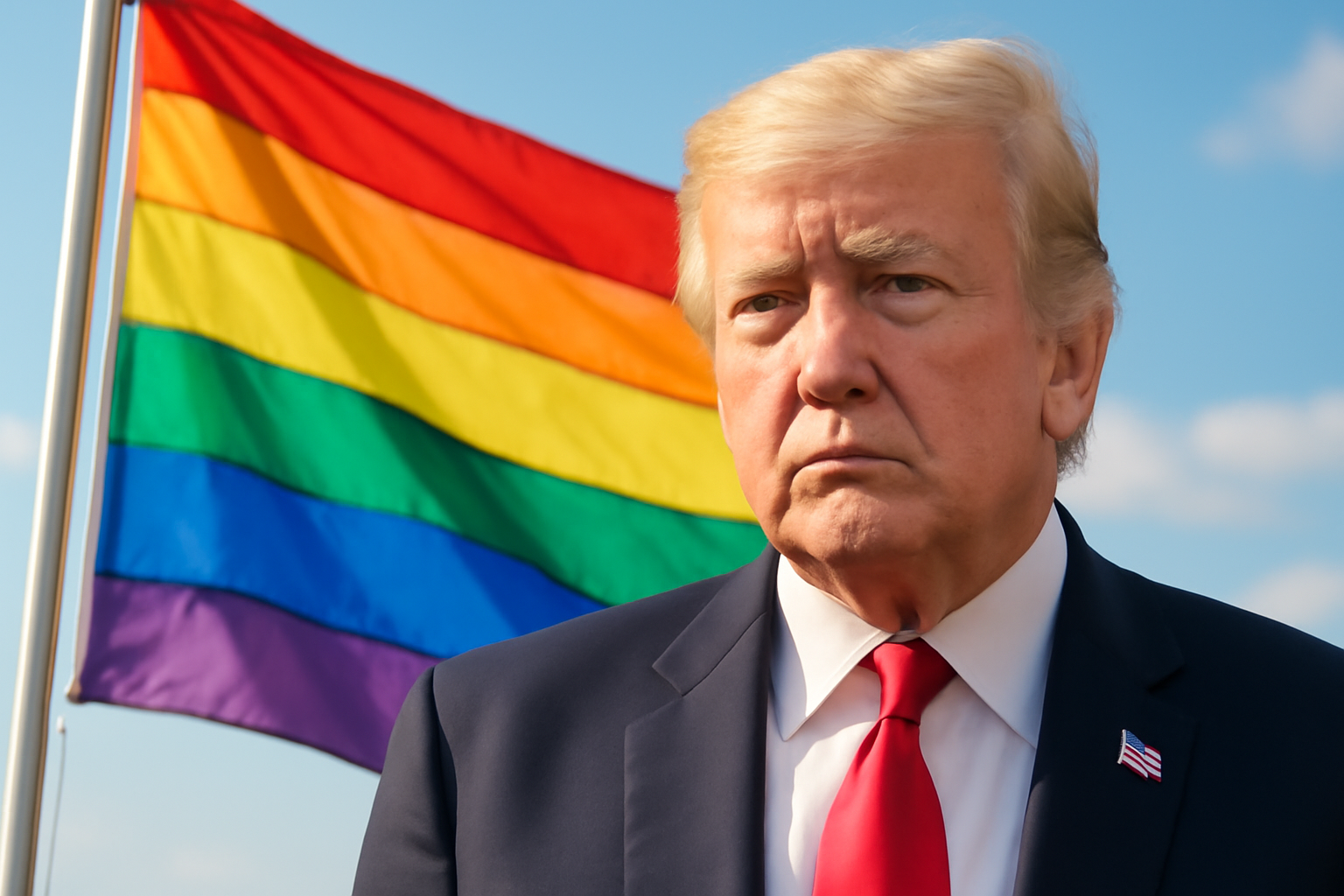
In a significant move that has stirred controversy and concern among advocates for workplace diversity and inclusion, former President Donald Trump's administration has repealed a landmark anti-discrimination directive that had been instrumental in shaping employment practices for over half a century.
The executive order, dubbed "Ending illegal discrimination and restoring merit-based opportunity," effectively dismantles the Equal Employment Opportunity Act (Executive Order 11246) originally signed by President Lyndon B. Johnson in 1965. This historic order was pivotal in banning workplace discrimination based on race, creed, color, or national origin and was later expanded to include protections based on sex, sexual orientation, and gender identity.
With this repeal, the Trump administration asserts a return to what it describes as "merit-based opportunities," framing diversity, equity, and inclusion (DEI) initiatives as "dangerous, demeaning, and immoral." The administration's order argues that such programs perpetuate race- and sex-based preferences that it claims are "unlawful" and corrosive to national unity.
The Impact on Workplace Diversity
The original Equal Employment Opportunity Act not only prohibited discrimination but also mandated that contractors take affirmative action to ensure equal employment opportunities for marginalized communities. By revoking this directive, there are fears that progress in workplace diversity could face significant setbacks.
The Trump administration's stance is that DEI initiatives unfairly advantage certain groups over others, particularly highlighting concerns of reverse discrimination against white men. The order suggests that inclusion programs undermine traditional American values such as hard work and individual achievement.
Broader Implications for the LGBTQ+ Community
For the LGBTQ+ community, the repeal of this executive order is particularly troubling. The inclusion of sexual orientation and gender identity in anti-discrimination policies has been hard-won and fundamental to ensuring equal treatment in the workplace.
By targeting DEI programs, the administration's actions may strip away protections that have so far safeguarded LGBTQ+ individuals from discrimination. The move is seen by many as a step backward in the fight for equality and could set a precedent for future policies that threaten the community's rights.
Reactions and Resistance
The executive order has sparked a wave of criticism and resistance from various advocacy groups and organizations committed to promoting diversity and inclusion.
Critics argue that the order propagates the myth that DEI programs result in unqualified individuals being promoted solely based on their identity, rather than their merit. They assert that such programs are essential in addressing systemic inequalities and ensuring a fairer, more equitable workplace.
In response, many organizations are doubling down on their commitment to DEI principles, recognizing that diverse teams contribute to greater innovation and better decision-making.
Future of DEI Initiatives
Despite the setback posed by this executive order, the push for diversity and inclusion in the workplace is unlikely to wane. Activists and allies remain steadfast in their efforts to promote policies that foster an inclusive environment for all, regardless of race, gender, or sexual orientation.
Companies and institutions that value diversity are likely to continue advocating for inclusive practices, even as federal policies shift. By doing so, they aim to uphold the principles of equality and justice that have been fought for over the decades.
As the landscape of workplace diversity continues to evolve, the importance of community support and activism cannot be overstated. Stakeholders within the LGBTQ+ community and beyond are encouraged to stay informed and engaged, ensuring that progress towards equality is not only maintained but accelerated.
For those interested in staying informed about these developments and their impact on the LGBTQ+ community, subscribing to newsletters and engaging with community platforms can provide valuable insights and updates.
The revocation of the Equal Employment Opportunity Act marks a pivotal moment in the ongoing struggle for workplace equality, and the response of the community will be crucial in shaping the future of DEI initiatives.
Related Posts
Supreme Court to Address State Bans on Trans Women in Female Sports
The upcoming U.S. Supreme Court term promises to be a pivotal moment for transgender rights, as the nation's highest court has agreed to evaluate whether states have the authority to prohibit transgender women from participating in female sports competitions. This case, scheduled to be argued in the next term beginning October, is expected to have a significant impact on the future of sports inclu [...]
Megan Rapinoe and Sue Bird Announce Amicable Separation After Ten Years Together
In a heartfelt announcement that resonated deeply within the sports and LGBTQ+ communities, soccer star Megan Rapinoe and basketball legend Sue Bird have revealed their decision to part ways after nearly a decade together. The couple, who have been icons both on and off the field, shared the news with their fans through a joint statement on social media, expressing that the choice was made with mu [...]
Groundbreaking Ruling Ends Sodomy Ban for Police and Military in the Dominican Republic
The Constitutional Court of the Dominican Republic recently delivered a landmark decision on November 18th, ruling that the nation’s police and armed forces are not permitted to criminalize consensual same-sex relations among their personnel. This pivotal ruling is a significant stride towards equality and the protection of LGBTQ+ rights within these institutions. A Resounding Victory for Equal [...]