
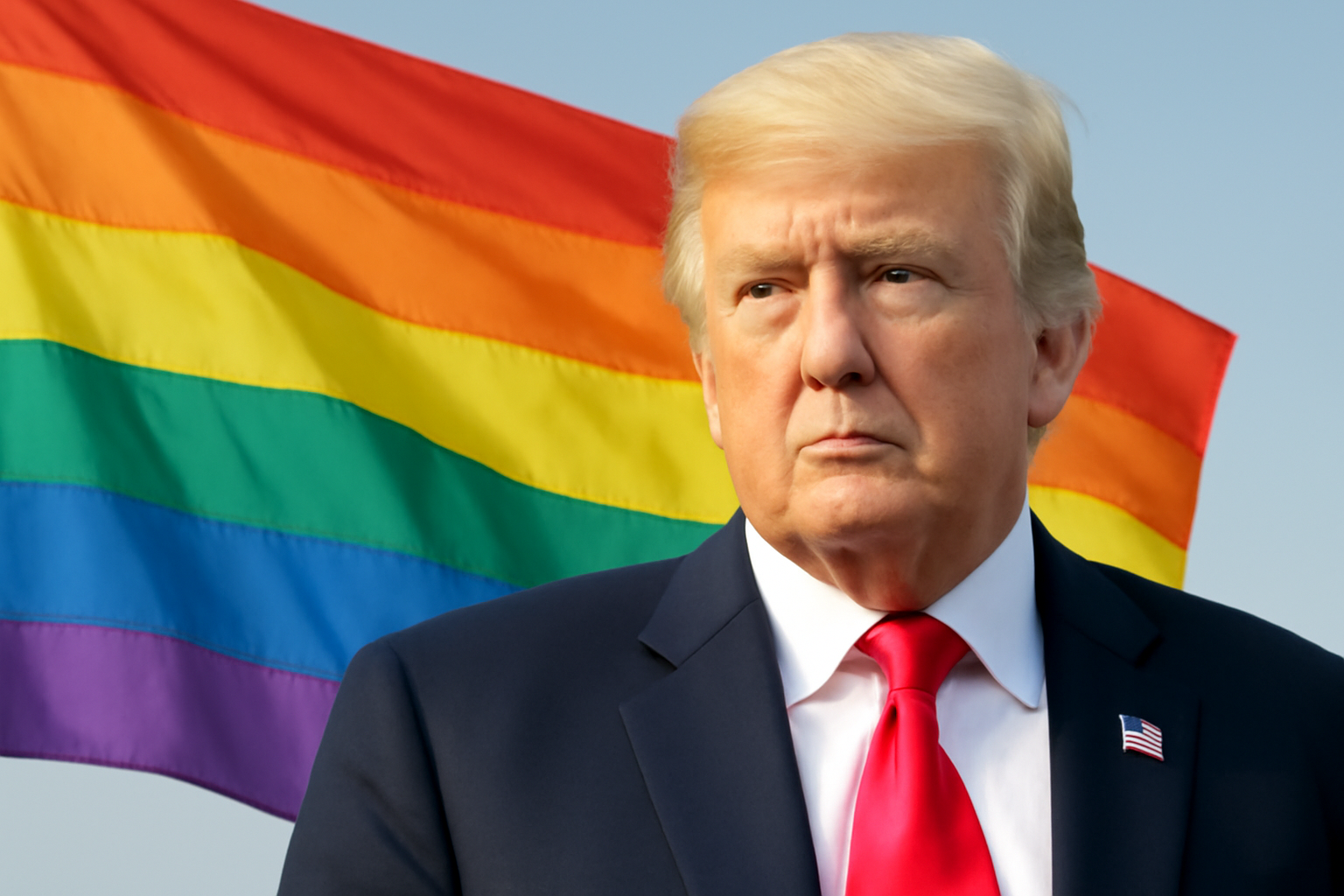
The ongoing debate over the presence of transgender individuals in the United States military took another turn as the Trump administration admitted in court that it lacks comprehensive data on how many service members identify as transgender. This revelation came during a legal proceeding challenging the administration's controversial policy aimed at banning transgender people from serving openly in the military.
Background of the Controversy
In 2017, the Trump administration announced its intention to implement a policy that would effectively ban transgender individuals from serving in the military. This announcement was met with widespread criticism and led to a series of legal battles. Critics of the policy argue that it discriminates against transgender individuals and undermines military readiness by excluding capable and willing service members.
The policy sparked a heated debate about the role of transgender individuals in the military and whether such a ban is justified. Proponents of the ban argue that allowing transgender individuals to serve openly could impact military cohesion and readiness, though these claims are often contested by experts and those within the military itself. The policy was set to take effect in 2019, but legal challenges have delayed its full implementation.
Recent Court Revelations
During a recent court hearing, the administration conceded that it does not have an accurate count of how many transgender individuals are currently serving in the military. This lack of data has raised questions about the rationale behind the ban and whether the administration conducted a thorough analysis before proposing such a significant policy change.
The absence of precise data undermines one of the arguments put forward by the administration, which purports that the presence of transgender troops could disrupt military operations. Without concrete numbers or evidence to support this claim, opponents argue that the policy is based on assumptions rather than facts.
Impact on Transgender Service Members
For transgender individuals currently serving in the military, the ban and the uncertainty surrounding it have created a challenging environment. Many transgender service members have expressed concern about their future in the military and the impact that the ban could have on their careers and livelihoods.
Organizations supporting LGBTQ+ rights have been vocal in their opposition to the ban, emphasizing the contributions of transgender individuals to the military. They argue that the policy not only discriminates but also deprives the military of talented individuals who are eager to serve their country.
Transgender service members and their allies continue to advocate for the right to serve openly. They highlight the importance of diversity and inclusion in the military and stress that all capable individuals should have the opportunity to serve, regardless of gender identity.
The Legal Battle Continues
The legal challenges against the transgender military ban are ongoing. Several courts have issued rulings blocking the ban, but the legal process is far from over. Advocates for transgender rights remain hopeful that the courts will ultimately rule against the ban and protect the rights of transgender individuals to serve openly.
The case has also drawn attention to broader issues of discrimination and equality within the military. It has prompted discussions about the importance of data and evidence-based policymaking, especially when it comes to policies that affect the lives of service members.
As the legal battles continue, it remains to be seen how this issue will be resolved and what the ultimate impact will be on transgender individuals in the military. For now, the future of the ban and the rights of transgender service members hang in the balance.
The controversy over the transgender military ban serves as a reminder of the ongoing struggle for LGBTQ+ equality and the need for continued advocacy and vigilance in defending the rights of all individuals, regardless of their gender identity.
In the coming months, the courts will play a critical role in determining the fate of the ban and setting a precedent for how issues of gender identity are addressed within the military and beyond.
Related Posts
Supreme Court to Address State Bans on Trans Women in Female Sports
The upcoming U.S. Supreme Court term promises to be a pivotal moment for transgender rights, as the nation's highest court has agreed to evaluate whether states have the authority to prohibit transgender women from participating in female sports competitions. This case, scheduled to be argued in the next term beginning October, is expected to have a significant impact on the future of sports inclu [...]
Megan Rapinoe and Sue Bird Announce Amicable Separation After Ten Years Together
In a heartfelt announcement that resonated deeply within the sports and LGBTQ+ communities, soccer star Megan Rapinoe and basketball legend Sue Bird have revealed their decision to part ways after nearly a decade together. The couple, who have been icons both on and off the field, shared the news with their fans through a joint statement on social media, expressing that the choice was made with mu [...]
Groundbreaking Ruling Ends Sodomy Ban for Police and Military in the Dominican Republic
The Constitutional Court of the Dominican Republic recently delivered a landmark decision on November 18th, ruling that the nation’s police and armed forces are not permitted to criminalize consensual same-sex relations among their personnel. This pivotal ruling is a significant stride towards equality and the protection of LGBTQ+ rights within these institutions. A Resounding Victory for Equal [...]