
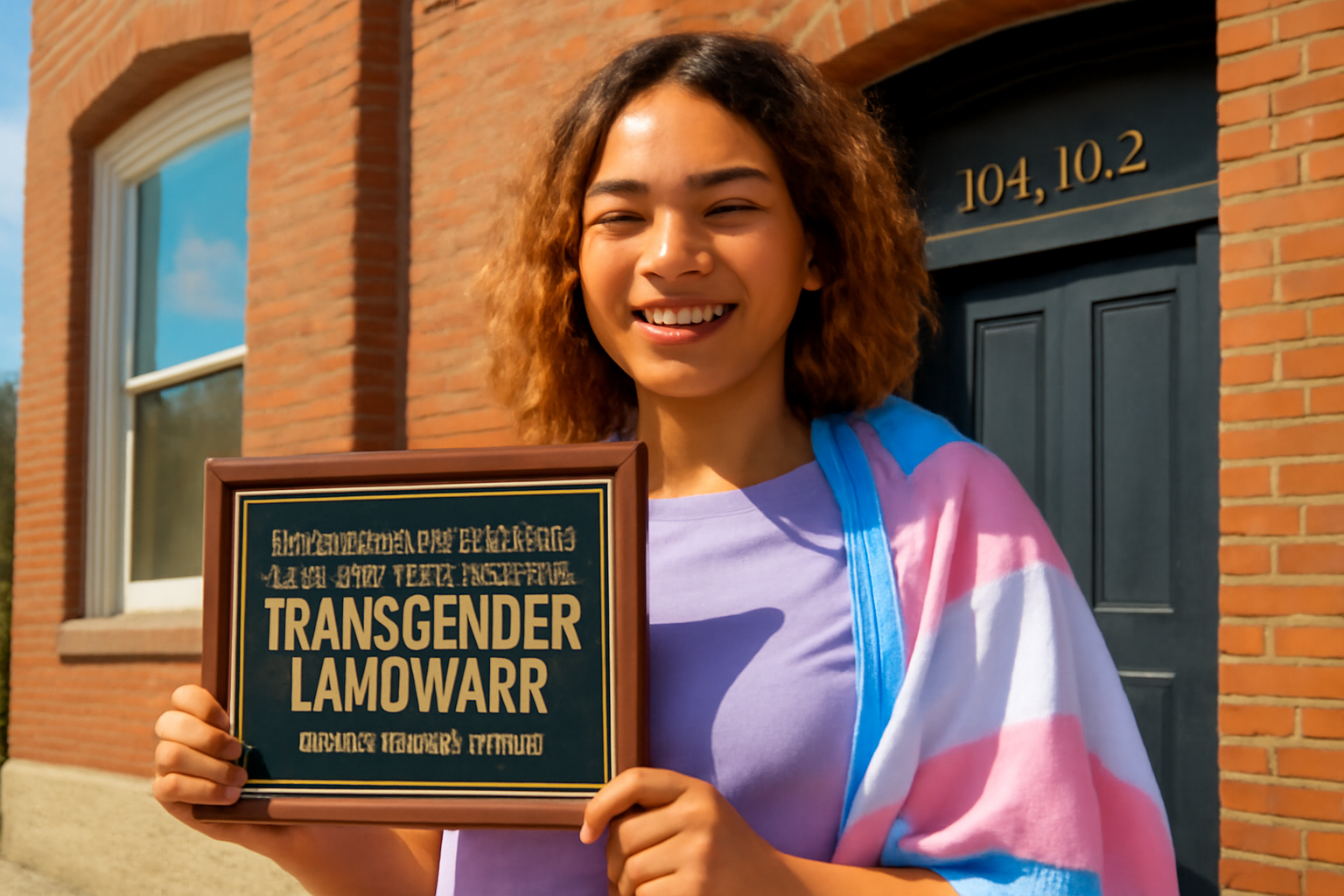
Transgender Landmark Recognized on National Register During Times of Adversity
A historic address in San Francisco, once pivotal in the early transgender rights movement, has been officially recognized for its significance by being listed on the National Register of Historic Places. The site, located at 101-102 Taylor St. in the Tenderloin neighborhood, marks a significant contribution to LGBTQ+ history in the United States.
On January 27, the National Park Service added the site without fanfare, as first reported by The Bay Area Reporter. This location was home to Compton’s Cafeteria, a 24-hour eatery that was the scene of a significant uprising in August 1966 when transgender and queer patrons clashed with police. The riot was a reaction to ongoing police harassment and marked a seminal moment in LGBTQ+ history, preceding the Stonewall riots by three years.
Historical Significance of Compton’s Cafeteria
In the 1960s, Compton’s Cafeteria was a sanctuary for transgender and queer individuals in San Francisco. One night, a confrontation escalated when a drag queen resisted arrest by throwing a cup of coffee at an officer, igniting a broader protest against systemic discrimination. The event saw damaged property, including shattered cafe windows and a police car. It is remembered as a precursor to more organized resistance within the LGBTQ+ community.
The historical importance of the site was emphasized in 2017 when San Francisco designated the area as the nation’s first transgender historic district, subsequently named the Compton’s TLGBT District. The uprising at Compton’s was instrumental in San Diego’s decision to declare August as Transgender History Month.
Recognition Despite Political Challenges
The recognition of Compton’s Cafeteria as a historic site is a landmark achievement, particularly during a period characterized by political challenges to transgender rights. Shayne Watson, a historian and historic preservation planner, described the inclusion as a "celebration of resilience" amidst these challenges.
Historian Susan Stryker, who has extensively documented the Compton’s Cafeteria riot, highlights the site's unique recognition specifically for its contribution to transgender history. "This is a pivotal site, representing a watershed moment for transgender activism," Stryker noted.
Madison Levesque, an architectural historian, was instrumental in the site’s recognition. Their master’s thesis in public history formed the basis of the application for its inclusion on the national register. Levesque wrote, "The Compton’s Cafeteria riot is a turning point in militant resistance in the LGBTQ and particularly transgender community." This acknowledgment at the national level underscores its impact on the political and social representation of transgender and gender-variant individuals.
A Milestone in LGBTQ+ History
Despite the administrative changes and policies during the Trump presidency, which have threatened transgender recognition and rights, the acknowledgment of Compton’s Cafeteria’s historic significance is a testament to the enduring spirit and resilience of the transgender community.
Recently, actions by the National Parks Service have seemed to curtail the visibility of transgender and queer contributions, such as the removal of "T" and "Q" from the LGBTQ+ initials on the Stonewall National Monument’s website. This decision appears to align with executive orders seeking to limit federal recognition of trans identities. Nonetheless, the historic recognition of Compton’s stands as a powerful message of defiance and remembrance.
In light of these developments, the historic listing serves as a reminder of the struggles and triumphs of the transgender community. By acknowledging sites like Compton’s, history ensures that the contributions of marginalized groups are not forgotten, even amidst political adversity. The inclusion of this site on the National Register is not just about preserving a building, but about commemorating the courage and activism that it embodies.
Stay informed with issues impacting your community by subscribing to our newsletter—connect with stories that matter and celebrate the rich history and ongoing struggles for equality and recognition.
Tags: LGBTQ+ history, transgender rights, historic preservation, Compton’s Cafeteria, Tenderloin district
Related Posts
March Madness and LGBTQ+ Representation: A Closer Look at College Basketball
The NCAA March Madness tournament is an exciting time for college basketball fans, as it brings together teams from across the country to compete in a high-stakes competition. However, beneath the excitement of the games, there are significant issues concerning LGBTQ+ representation and discrimination in college sports that deserve attention. Heading into the Men’s and Women’s NCAA tournament [...]
Breaking Down the Double Standards Women Face in the Spotlight
In today's fast-paced world, the spotlight often shines brightly on those who enter the public eye, especially women. The recent discussions surrounding a rising star in the music industry highlight the persistent double standards women face compared to their male counterparts. The Unjust Expectations It seems that whenever a woman gains a certain level of fame, the scrutiny she faces doubles. Th [...]
Senate Rejects Amendment Aimed at Restricting Transgender Athlete Participation
The ongoing national discourse over transgender rights in sports took another turn on Saturday, as Senate Democrats blocked an amendment that would have prevented transgender girls and women from participating in female school sports teams. The amendment was part of a broader legislative effort known as the SAVE America Act, which has garnered support from former President Trump's allies. On Marc [...]