
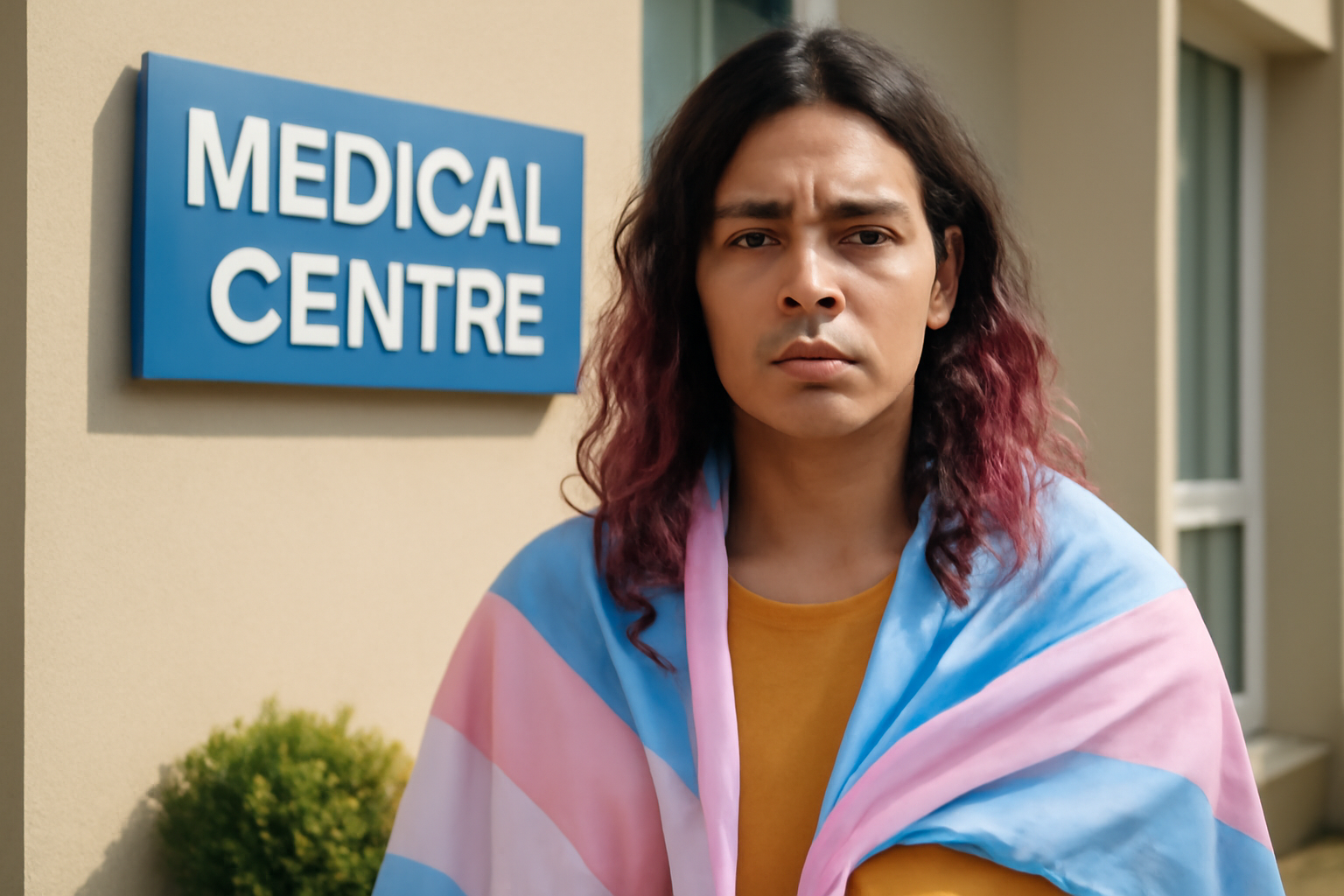
In Nottinghamshire, England, transgender patients are expressing deep concern following a local medical practice's decision to abruptly end the prescription of hormone replacement therapy (HRT) for gender-affirming purposes. The decision, made by Jubilee Park Medical Partnership, leaves many trans individuals facing an uncertain future regarding their healthcare.
Jubilee Park Medical Partnership, a provider of general medical services, recently announced that it would no longer prescribe HRT to transgender patients. This decision has sparked outrage within the trans community, as well as among their allies, who see it as a significant setback for gender-affirming healthcare in the region.
Community Backlash and Protest
In response to the announcement, Nottingham Against Transphobia, a local advocacy group, took to social media to voice their disapproval. They criticized Jubilee Park for failing to implement a "safety net" for those who would be cut off from essential medications and accused the practice of not cooperating with local gender identity clinics.
The group noted that while HRT prescriptions for transgender patients were being halted, cisgender patients were still able to receive hormone therapies, highlighting what they believe to be a discriminatory practice. "The discrimination and lack of concern for trans patients is clear," Nottingham Against Transphobia declared in a statement.
A protest organized by the group on December 31 outside Jubilee Park Medical Centre saw participation from many affected individuals. Among them was 29-year-old Samathy Barratt, who expressed her distress over the situation. "I have been stressed and upset about how I'm going to access healthcare," she said. The prospect of losing access to testosterone-blocking medications and experiencing a reversal of transitioning effects was particularly troubling for Barratt.
Health Risks and Financial Strain
Barratt also highlighted the potential health risks for patients who have undergone gender-affirming surgeries and may lose access to HRT. Without these medications, some individuals could face severe health complications.
Jubilee Park Medical Partnership has defended its decision, citing a lack of funding and stating that providing HRT is not within the scope of their GP contract. A spokesperson explained that while the partnership remains supportive of transgender patients, the prescription of HRT should be handled by specialists, as it is beyond the clinical expertise of general practitioners.
NHS Nottingham and Nottinghamshire clarified that while specialist Gender Identity Clinics are responsible for managing gender dysphoria services, they do not directly handle the prescribing of HRT. Instead, they rely on GPs to carry out this aspect with guidance from gender specialists. No changes in these arrangements have been reported, and efforts are ongoing to ensure local GPs can continue to support transgender patients.
Call for Action and Safe Alternatives
Critics of Jubilee Park's decision, like Sophie England, who organized the December protest, argue that the practice is unjustly cutting costs at the expense of transgender patients' health. "If I was a cisgender woman getting the same hormones, it would carry on. Transgender people should get the same level of care," England stated.
The lack of access to HRT through the NHS has left many, like Barratt, contemplating alternative means of obtaining their medication. "I may end up having to 'DIY' my medication if I can't find an NHS GP to help," Barratt lamented. She expressed a preference for receiving treatment from NHS doctors but acknowledged the reality that people may resort to unsafe methods to fulfill their medical needs.
Nottingham Against Transphobia has warned about the dangers of acquiring HRT medications online. Without medical supervision, individuals may not receive proper dosage guidance, sterile equipment, or necessary health monitoring. Despite these risks, some community members feel they have no choice but to pursue these alternatives to maintain their well-being.
As the situation unfolds, the transgender community in Nottinghamshire continues to advocate for equal access to healthcare and calls on policymakers to address the disparities in treatment faced by trans individuals.
In times of crisis, resources such as the Trans Lifeline and The Trevor Project are available to provide support and guidance to those in need.
Related Posts
Supreme Court to Address State Bans on Trans Women in Female Sports
The upcoming U.S. Supreme Court term promises to be a pivotal moment for transgender rights, as the nation's highest court has agreed to evaluate whether states have the authority to prohibit transgender women from participating in female sports competitions. This case, scheduled to be argued in the next term beginning October, is expected to have a significant impact on the future of sports inclu [...]
Megan Rapinoe and Sue Bird Announce Amicable Separation After Ten Years Together
In a heartfelt announcement that resonated deeply within the sports and LGBTQ+ communities, soccer star Megan Rapinoe and basketball legend Sue Bird have revealed their decision to part ways after nearly a decade together. The couple, who have been icons both on and off the field, shared the news with their fans through a joint statement on social media, expressing that the choice was made with mu [...]
Groundbreaking Ruling Ends Sodomy Ban for Police and Military in the Dominican Republic
The Constitutional Court of the Dominican Republic recently delivered a landmark decision on November 18th, ruling that the nation’s police and armed forces are not permitted to criminalize consensual same-sex relations among their personnel. This pivotal ruling is a significant stride towards equality and the protection of LGBTQ+ rights within these institutions. A Resounding Victory for Equal [...]