
Introduction
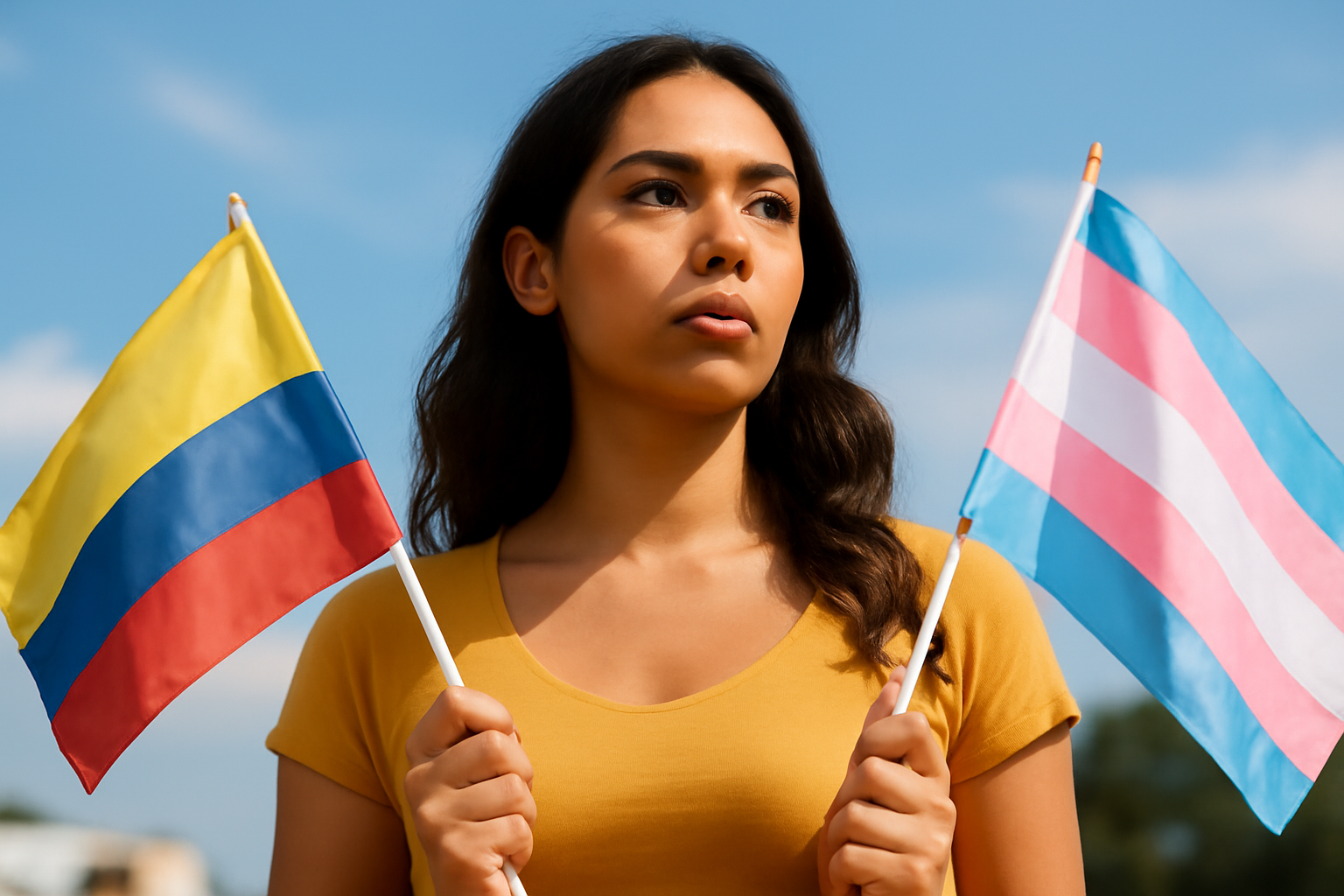
Trans women around the world face numerous challenges, but for those in Colombia, the struggle is particularly acute. Despite some legal protections, societal acceptance lags behind, forcing many to seek refuge elsewhere. However, the journey to safety is fraught with dangers and legal hurdles, particularly when attempting to find asylum in the United States.
Life in Colombia: Legal Progress, Social Setbacks
While Colombia has made strides in legal recognition for LGBTQ+ rights, including the decriminalization of same-sex relationships and acknowledgment of gender identity, societal discrimination against trans women remains pervasive. These women often face threats of violence, exclusion from employment, and lack of access to essential healthcare services. These conditions create an environment of fear and instability, prompting many to leave their homes in search of safety and dignity.
The Colombian government’s inability to enforce existing LGBTQ+ protections compounds these issues. Without effective legal recourse or support, trans women are vulnerable to hate crimes and discrimination, pushing them to flee the country.
The Perilous Journey to the United States
Leaving Colombia is only the beginning of a harrowing journey. Trans women must navigate through Central America, facing both natural and human-made obstacles. Countries such as Panama, Costa Rica, and Nicaragua present not only geographical challenges but also legal and cultural ones. Transphobia, economic instability, and insufficient legal protections make the journey dangerous and unpredictable.
During their travels, trans women often face physical violence and exploitation. Criminal organizations target them for trafficking and extortion, viewing them as easy prey. Despite these dangers, many continue northward, driven by the hope of finding refuge in the United States.
Challenges at the U.S. Border
Upon reaching the U.S. border, trans women encounter a complex and daunting legal system. The asylum process is notorious for its complexity and lack of accessible legal assistance. The Application for Asylum is lengthy and requires substantial evidence of persecution. Unfortunately, many asylum seekers are detained in conditions where abuse and mistreatment are prevalent, and securing competent legal representation is a significant challenge.
Asylum officers and judges often lack training on trans issues and may not fully understand the nuances of gender-based persecution. Trans women must relive traumatic experiences to make their case, a process that can be re-traumatizing and emotionally exhausting.
If an asylum claim is denied, the appeal process is arduous, requiring quick action and resources that many do not have. The lack of government-supported legal aid further complicates matters, leaving many without the means to effectively appeal denials.
The Broader Implications
The difficulties faced by trans women from Colombia and other Latin American countries seeking asylum in the United States highlight broader systemic issues. Data from 2014 to 2024 indicates that a significant proportion of asylum appeals from trans individuals were filed by Latinx applicants. Despite this, the approval rates remain low, with only a few circuit courts showing favorable outcomes for petitioners.
Given these challenges, it is crucial for both Colombia and the United States to take action. Colombia must not only uphold the legal rights of its LGBTQ+ citizens but also actively work to prosecute and prevent human rights abuses. The U.S. must ensure that its asylum process is fair and accessible, providing protection to those fleeing persecution.
Conclusion
Providing asylum is not just a legal obligation but a moral one. The United States has long been a beacon of hope for those seeking refuge. To uphold this legacy, the asylum process must be reformed to ensure that it is inclusive and just, particularly for marginalized groups such as trans women from Colombia.
It is imperative that societies both in Colombia and the United States work towards recognizing the rights and dignity of trans women. Only through concerted efforts can the cycle of violence and displacement be broken, allowing trans women to live with safety and dignity.
Related Posts
Supreme Court to Address State Bans on Trans Women in Female Sports
The upcoming U.S. Supreme Court term promises to be a pivotal moment for transgender rights, as the nation's highest court has agreed to evaluate whether states have the authority to prohibit transgender women from participating in female sports competitions. This case, scheduled to be argued in the next term beginning October, is expected to have a significant impact on the future of sports inclu [...]
Megan Rapinoe and Sue Bird Announce Amicable Separation After Ten Years Together
In a heartfelt announcement that resonated deeply within the sports and LGBTQ+ communities, soccer star Megan Rapinoe and basketball legend Sue Bird have revealed their decision to part ways after nearly a decade together. The couple, who have been icons both on and off the field, shared the news with their fans through a joint statement on social media, expressing that the choice was made with mu [...]
Groundbreaking Ruling Ends Sodomy Ban for Police and Military in the Dominican Republic
The Constitutional Court of the Dominican Republic recently delivered a landmark decision on November 18th, ruling that the nation’s police and armed forces are not permitted to criminalize consensual same-sex relations among their personnel. This pivotal ruling is a significant stride towards equality and the protection of LGBTQ+ rights within these institutions. A Resounding Victory for Equal [...]