
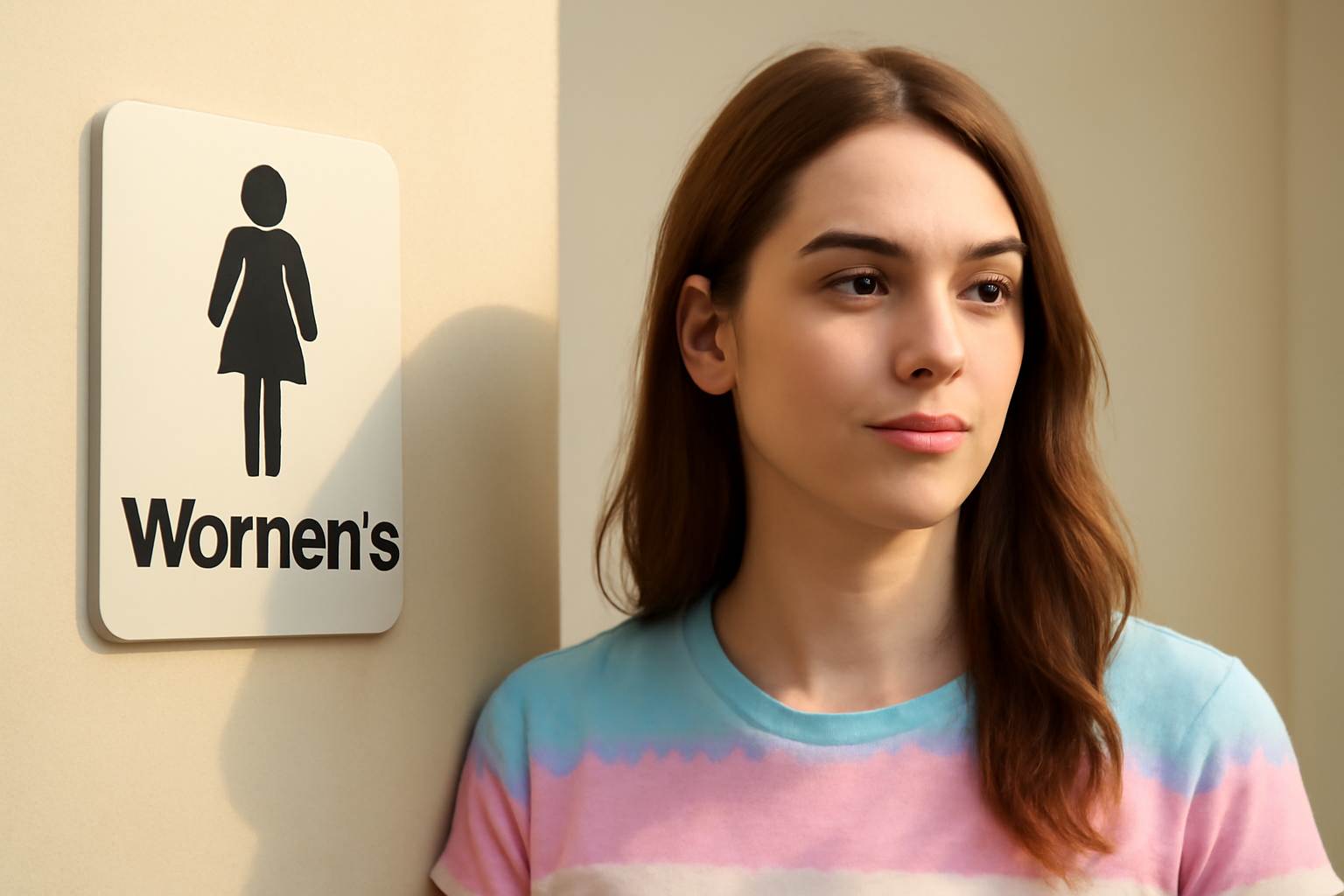
Recent developments in the UK have stirred significant concern within the transgender community and its allies. The UK Supreme Court recently issued a ruling concerning the definition of "woman" and "sex" as understood within the framework of the 2010 Equality Act. This decision emphasized biological definitions, leading to widespread anxiety about the potential impact on transgender individuals, particularly trans women, in accessing single-sex spaces.
In the wake of this ruling, many trans and non-binary individuals feel uncertain and worried about their rights and access to spaces that align with their gender identity. Protests erupted over the weekend as thousands of people took to the streets of central London to voice their opposition to the court's decision. The atmosphere is tense, as many fear the implications this ruling could have on their daily lives.
Clarifying the Misconceptions
Despite the Supreme Court's ruling, there is a significant amount of misinformation circulating in the media regarding its immediate effects. It is important to note that the ruling itself did not create or enforce any new laws. Instead, it provided an interpretation of existing legislation, which could inform future legal decisions and policies. For now, there is no legal ban preventing trans women from entering single-sex spaces, such as public toilets.
Commentators and media outlets have incorrectly suggested that trans women have been barred from these spaces. For example, some pundits have sensationalized the actions of transgender influencers who posted selfies from female toilets as acts of defiance against the ruling. Such narratives misrepresent the current legal situation, as no new laws have been enacted in response to the Supreme Court's decision.
The Role of Supreme Court Decisions
In the UK, and similarly in other countries like the United States, decisions made by the Supreme Court do not equate to legislation. They offer interpretations that can guide future legislative actions. A relevant comparison can be found in the US, where the overturning of Roe vs Wade did not itself make abortion illegal, but rather allowed individual states to regulate it. Similarly, the UK Supreme Court's recent ruling does not automatically change the legal landscape for trans women accessing single-sex spaces.
However, the ruling does carry significant influence. It sets a precedent that could inspire legislative changes or policy updates from organizations. The Equality and Human Rights Commission, for instance, has already expressed intentions to pursue changes based on the ruling. Their chairwoman remarked on the ruling's substantial implications and the need for policies in single-sex services to reflect biological definitions of sex.
The Future and the Fight Ahead
As the situation unfolds, trans rights organizations and activists are preparing for potential challenges. The charity Not A Phase highlighted the ambiguity of the ruling's implications but stressed their commitment to supporting the trans community. They emphasized that regardless of legislative changes, the identity and existence of trans people remain valid and unassailable.
At this critical time, it is crucial for allies and community members to stay informed and engaged. By understanding the nuances of the current legal framework and the potential for change, supporters can better advocate for the rights of transgender individuals. Open dialogue and respectful conversations will be essential in navigating the challenges ahead.
We invite you to share your perspectives and join the discussion. Let us work together to ensure that all individuals, regardless of gender identity, have the freedom and safety to access spaces that align with who they are.
Related Posts
Supreme Court to Address State Bans on Trans Women in Female Sports
The upcoming U.S. Supreme Court term promises to be a pivotal moment for transgender rights, as the nation's highest court has agreed to evaluate whether states have the authority to prohibit transgender women from participating in female sports competitions. This case, scheduled to be argued in the next term beginning October, is expected to have a significant impact on the future of sports inclu [...]
Megan Rapinoe and Sue Bird Announce Amicable Separation After Ten Years Together
In a heartfelt announcement that resonated deeply within the sports and LGBTQ+ communities, soccer star Megan Rapinoe and basketball legend Sue Bird have revealed their decision to part ways after nearly a decade together. The couple, who have been icons both on and off the field, shared the news with their fans through a joint statement on social media, expressing that the choice was made with mu [...]
Groundbreaking Ruling Ends Sodomy Ban for Police and Military in the Dominican Republic
The Constitutional Court of the Dominican Republic recently delivered a landmark decision on November 18th, ruling that the nation’s police and armed forces are not permitted to criminalize consensual same-sex relations among their personnel. This pivotal ruling is a significant stride towards equality and the protection of LGBTQ+ rights within these institutions. A Resounding Victory for Equal [...]