
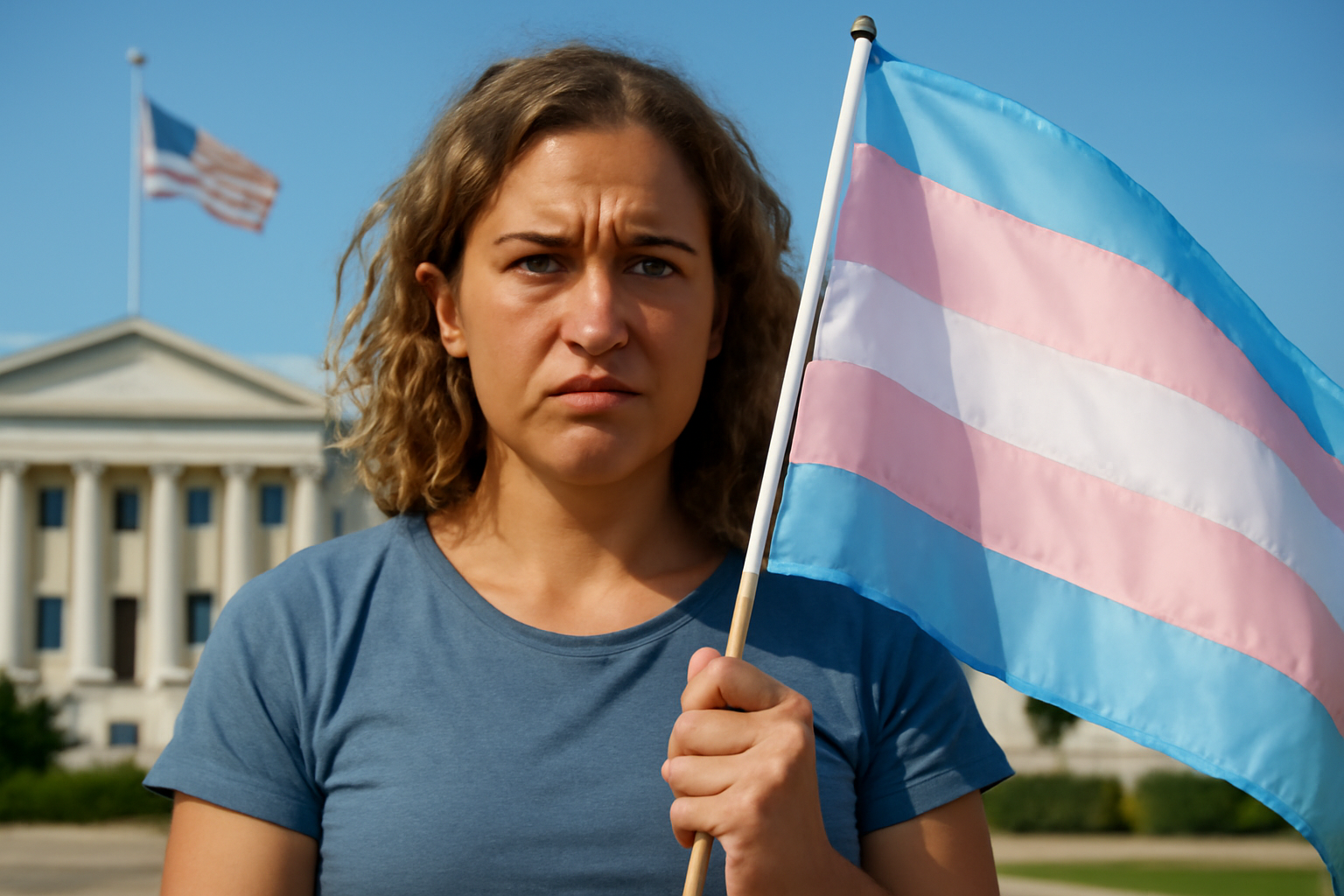
In a series of alarming moves, recent federal directives have targeted transgender individuals and the institutions that support them, leading to a significant crisis for the trans community. These directives, issued as executive orders, have prompted federal agencies to erase references to "gender ideology" from their websites and guidance documents, effectively removing crucial information about HIV prevention, health disparities, and discrimination based on sexual orientation and gender identity.
Federal employees have been instructed to exclude pronouns from their email signatures, and government agencies have prohibited Pride events. The impact of these orders is profound, as they aim to instill fear in transgender individuals and the organizations that support them, coercing compliance without the need for legal enforcement.
The Scope of the Directives
The administration's first anti-trans executive order was signed hours after taking office, and the subsequent pace and breadth of these actions have been described as "terrifyingly breathtaking" by legal experts. These orders face significant legal challenges and administrative hurdles, yet they create a climate of fear that encourages preemptive compliance.
The orders target various aspects of trans lives, including sports participation, healthcare, military service, and educational settings. For example, schools have been directed to ban trans women from women's sports and to redefine "sex" in ways that exclude trans identities. Hospitals have faced threats of losing federal funding if they provide gender-affirming care to minors, prompting some to cancel necessary medical appointments for trans youth.
Resistance and Legal Challenges
Despite the pressure from these federal directives, there is significant resistance from trans individuals, their allies, and supportive institutions. Legal challenges have been mounted by parents of trans youth and state attorneys general, arguing that these executive orders overstep legal boundaries and violate constitutional rights. Some states have vowed to ignore these orders and uphold their own anti-discrimination protections for trans individuals.
In the face of these challenges, major institutions have chosen to comply rather than contest the orders, often reversing policies that support trans inclusion. For instance, some colleges and universities have withdrawn their transgender inclusion policies from public view, and national sports organizations have banned trans women from competitions.
The Broader Implications
These actions have profound implications for the trans community, extending beyond immediate policy changes to affect the fundamental rights and well-being of trans individuals. The threat of enforcement has been sufficient to roll back established norms, bypassing the lengthy process of formal rulemaking and public consultation.
The directives have also targeted federal employment protections, with agencies halting investigations into discrimination based on gender identity or sexual orientation. This move undermines longstanding anti-discrimination frameworks that protect LGBTQ+ workers, delaying justice and jeopardizing their rights in the workplace.
Future Prospects
While the current administration's actions represent a significant setback, there is hope that future leadership will restore and expand protections for trans individuals. Previous administrations have made progress in this area, extending anti-discrimination protections and recognizing gender identity as a key component of identity rights. The trans community and its allies remain vigilant, continuing to fight for justice and equality.
As the legal battles unfold, the resilience of the trans community and its supporters serves as a powerful reminder of the ongoing struggle for human rights and the importance of advocacy in the face of adversity. The coming years will be crucial in determining the trajectory of trans rights in the United States, and continued efforts from all corners of society will be essential in securing a more inclusive and equitable future.
Stay informed and engaged with the latest developments by subscribing to our newsletter, providing insights into how these political actions impact the LGBTQ+ community.
Related Posts
Supreme Court to Address State Bans on Trans Women in Female Sports
The upcoming U.S. Supreme Court term promises to be a pivotal moment for transgender rights, as the nation's highest court has agreed to evaluate whether states have the authority to prohibit transgender women from participating in female sports competitions. This case, scheduled to be argued in the next term beginning October, is expected to have a significant impact on the future of sports inclu [...]
Megan Rapinoe and Sue Bird Announce Amicable Separation After Ten Years Together
In a heartfelt announcement that resonated deeply within the sports and LGBTQ+ communities, soccer star Megan Rapinoe and basketball legend Sue Bird have revealed their decision to part ways after nearly a decade together. The couple, who have been icons both on and off the field, shared the news with their fans through a joint statement on social media, expressing that the choice was made with mu [...]
Groundbreaking Ruling Ends Sodomy Ban for Police and Military in the Dominican Republic
The Constitutional Court of the Dominican Republic recently delivered a landmark decision on November 18th, ruling that the nation’s police and armed forces are not permitted to criminalize consensual same-sex relations among their personnel. This pivotal ruling is a significant stride towards equality and the protection of LGBTQ+ rights within these institutions. A Resounding Victory for Equal [...]