
Introduction
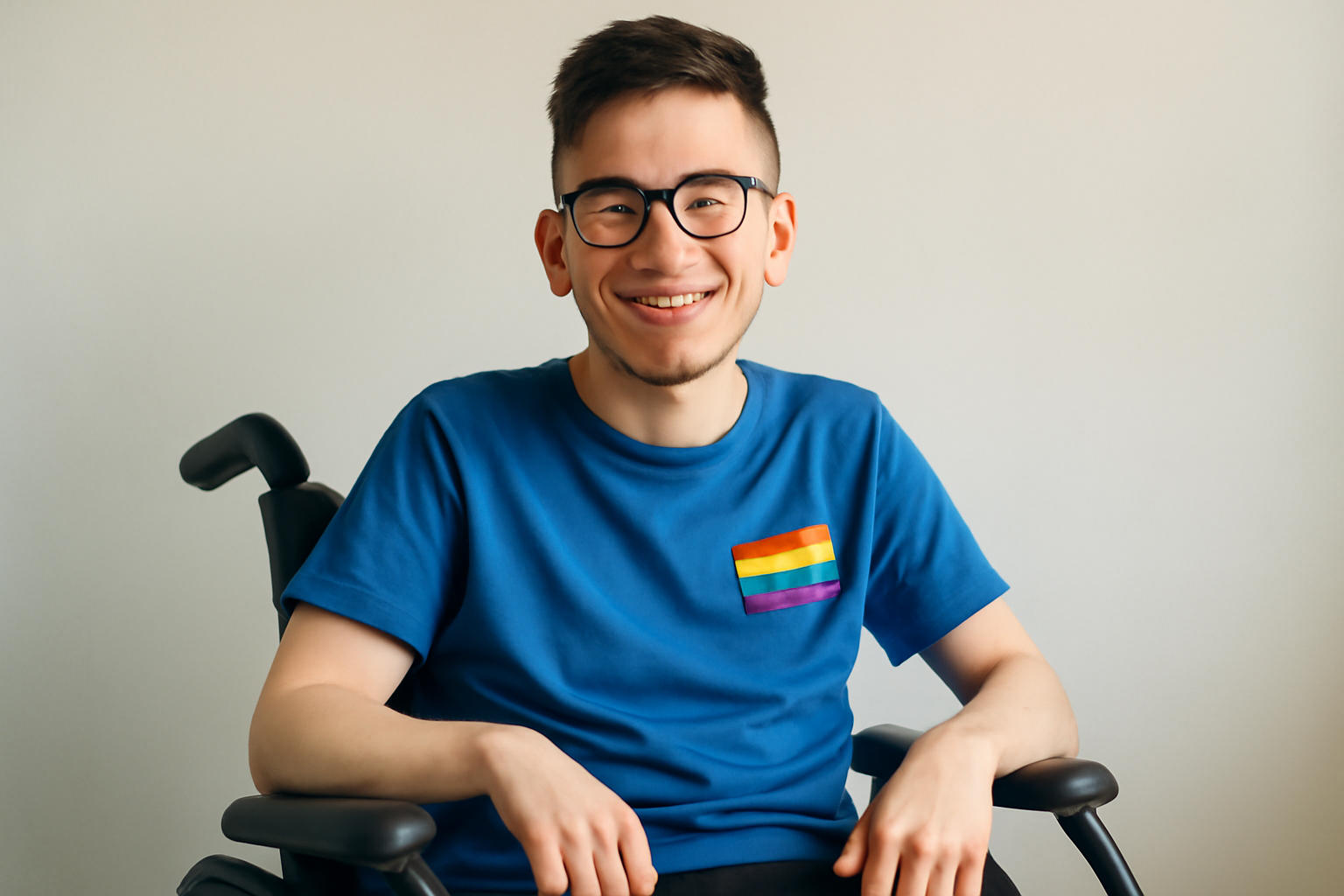
A young transgender man with cerebral palsy has recently become a prominent voice against online intolerance after facing unwarranted attacks on social media. Micah Leroy, a 19-year-old college student from the University of Minnesota, found himself at the center of controversy after sharing a personal milestone on social media. Despite the challenges he faces, Leroy is determined to advocate for the rights of disabled and transgender individuals.
The Power of Visibility
Micah Leroy, who has been living openly as a transgender man since the age of 14, decided to share a significant personal achievement with his followers: the results of his top surgery, a critical gender-affirming procedure for many trans-masculine individuals. This decision, which should have been celebrated, instead attracted a wave of hostility online.
Leroy, who lives with cerebral palsy, uses his online platforms to educate and inspire others. Cerebral palsy is a condition affecting movement and coordination, and while it can involve intellectual disabilities, many individuals like Leroy have no cognitive impairments. Despite his ability to communicate effectively through writing and a speech-generating device, and even using his own voice among those familiar with him, he was targeted by anti-trans campaigners who attempted to undermine his autonomy.
A Surge of Online Backlash
Following his post, notable figures known for their anti-trans rhetoric misrepresented Leroy, questioning his capacity to make medical decisions and even misgendering him. The situation escalated when Marjorie Taylor Greene, a Republican congresswoman with a history of inflammatory comments, questioned the legitimacy of Leroy's medical care on social media, further fuelling the backlash.
The online environment became increasingly hostile, with Leroy's social media accounts on platforms like Facebook and Instagram being reported and subsequently taken down under false allegations of inappropriate content. Despite his appeals, these bans remained in place, adding another layer of frustration to his battle for visibility and recognition.
A Voice of Resilience
Leroy, however, refuses to be silenced. In a video statement, he asserted his independence as his own legal guardian and emphasized his right to share his experiences as both a disabled individual and a transgender man. "I want people to know that it is possible to be disabled and trans," he declared, underscoring his commitment to advocacy.
He aims to channel his experiences into effective advocacy, hoping to influence state and federal legislature to better protect disabled and transgender rights. "With all the hate this has stirred up, I believe any publicity is good publicity in furthering my goals," Leroy stated. This experience has reinforced his determination to address the discrimination that stems from misconceptions about disability and gender identity.
Support from the Community
Leroy's story has resonated with many, including other advocates like Leo Aces, a fellow trans man with cerebral palsy and a prominent disability awareness speaker. Aces condemned the "toxic transphobia and ableism" directed at Leroy, reflecting on his own experiences as an activist. He pointed out that the current social climate, exacerbated by changes in social media policies and political tensions, has created a "toxic storm" of discrimination.
Aces views Leroy's story as a catalyst for broader discussions about the intersection of physical disabilities and gender identity. "The visibility of physical disability and gender identity can attract controversy because of the systemic notion that disabled people have less agency," he remarked. This notion, he argues, must be challenged to advance both the visibility and rights of disabled and transgender individuals.
Conclusion
Micah Leroy’s courage in the face of adversity shines as a beacon of hope and resilience. His story not only highlights the challenges faced by individuals at the intersection of disability and gender identity, but also serves as a powerful reminder of the importance of advocacy and education. By sharing his journey, Leroy not only empowers himself but also inspires others to stand up against intolerance and fight for a more inclusive society.
Join the conversation and share your thoughts in the comments below, remembering to keep it respectful and supportive.
Related Posts
Supreme Court to Address State Bans on Trans Women in Female Sports
The upcoming U.S. Supreme Court term promises to be a pivotal moment for transgender rights, as the nation's highest court has agreed to evaluate whether states have the authority to prohibit transgender women from participating in female sports competitions. This case, scheduled to be argued in the next term beginning October, is expected to have a significant impact on the future of sports inclu [...]
Megan Rapinoe and Sue Bird Announce Amicable Separation After Ten Years Together
In a heartfelt announcement that resonated deeply within the sports and LGBTQ+ communities, soccer star Megan Rapinoe and basketball legend Sue Bird have revealed their decision to part ways after nearly a decade together. The couple, who have been icons both on and off the field, shared the news with their fans through a joint statement on social media, expressing that the choice was made with mu [...]
Groundbreaking Ruling Ends Sodomy Ban for Police and Military in the Dominican Republic
The Constitutional Court of the Dominican Republic recently delivered a landmark decision on November 18th, ruling that the nation’s police and armed forces are not permitted to criminalize consensual same-sex relations among their personnel. This pivotal ruling is a significant stride towards equality and the protection of LGBTQ+ rights within these institutions. A Resounding Victory for Equal [...]