
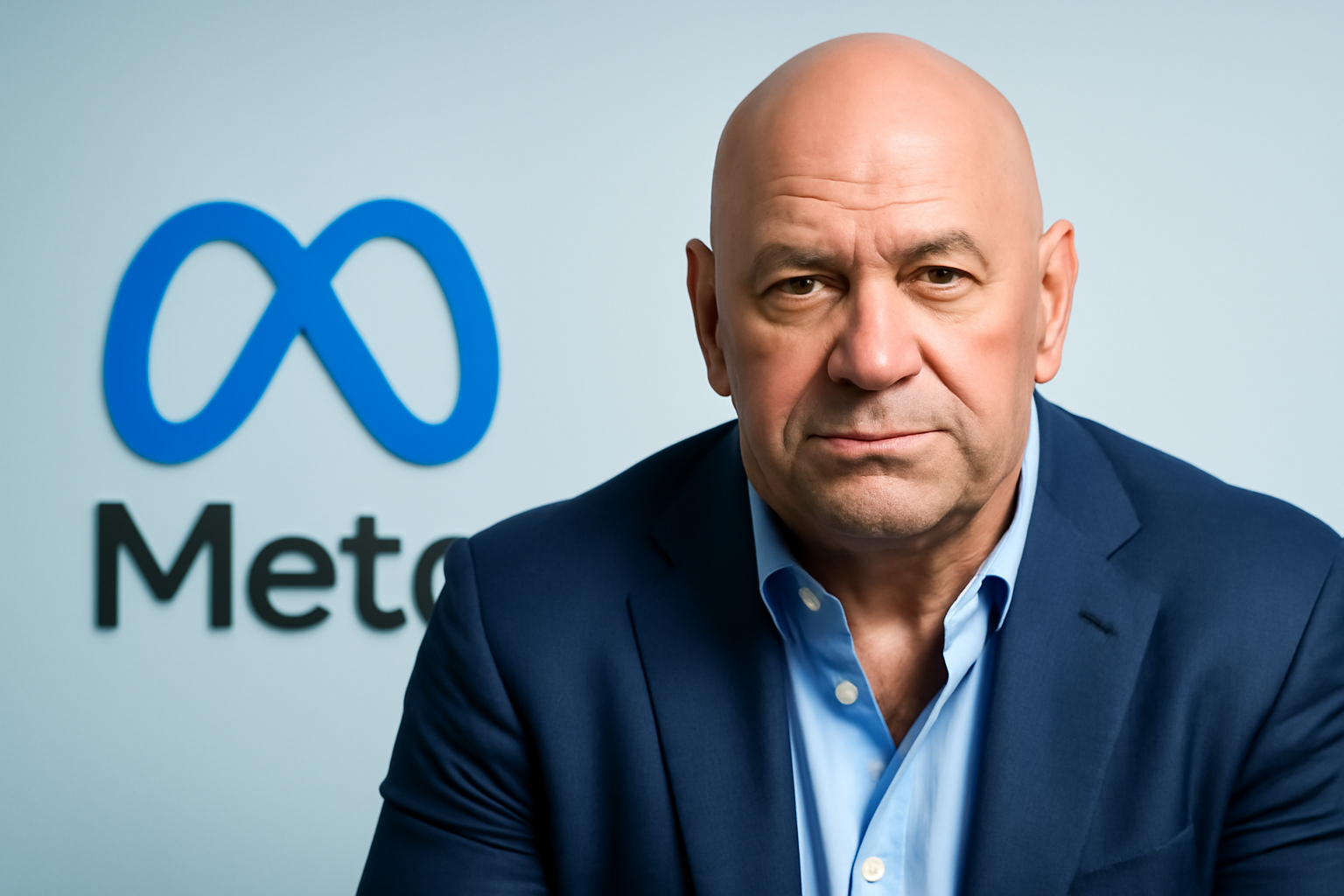
In recent developments, Dana White, the president of the Ultimate Fighting Championship (UFC), has been appointed to the board of directors of Meta, the parent company of Facebook, Instagram, and WhatsApp. This move has raised eyebrows and concerns among many, especially within the LGBTQ+ community, due to White's history of defending homophobic remarks made by UFC fighters.
White’s association with former President Donald Trump and his administration is well-known, with UFC events often mirroring Trump rallies and promoting a form of patriotism intertwined with controversial free speech notions. This backdrop sets the stage for White's new role at Meta, a company led by Mark Zuckerberg, who announced White's addition to the board last week.
The decision comes at a time when the political climate in the United States has seen a rise in homophobic and transphobic rhetoric. For the LGBTQ+ community and its allies, White's appointment signals a potential alignment of Meta with ideologies that may not fully support inclusivity and equality.
White’s Stance on Free Speech
Dana White has consistently defended UFC fighters who have made derogatory comments about the LGBTQ+ community. He has shown support for fighters like Sean Strickland, who has been known for his outspoken and often offensive views. In response to criticism over Strickland's remarks, White has stated, "I don’t tell any other human being what to say or what to think. There’s no leashes on any of them. Free speech, brother." This laissez-faire attitude towards harmful speech has been a point of contention.
White even likened the criticism he faces to the struggles of coming out as gay in past decades, a comparison that many see as insensitive and problematic. His remarks reflect a belief in unrestrained free speech, even when it perpetuates harm or discrimination against marginalized groups.
Meta’s Strategic Move
For Mark Zuckerberg, bringing someone like Dana White onto Meta’s board could be seen as a strategic maneuver. As Meta faces increasing scrutiny and pressure from governments worldwide regarding its content policies and moderation practices, White's combative approach might be perceived as an asset in navigating these challenges.
However, this decision has not been without its criticisms. Internally, some Meta employees expressed their concerns about White's appointment on the company's Workplace platform. There were reports of comments being removed for violating internal communication guidelines, highlighting a potential culture of silence around dissent within Meta.
Zuckerberg discussed the rationale behind White’s addition on a podcast, noting the need for strong advisors to help manage external pressures. Yet, this reasoning does not address the ethical implications of associating with a figure known for defending discriminatory speech.
The Larger Implications
White's involvement with Meta raises broader questions about the role of social media companies in shaping public discourse and their responsibility towards fostering inclusive environments. Critics argue that aligning with individuals who have a history of supporting harmful language undermines efforts to combat discrimination and promote diversity.
As Meta continues to expand its influence, the partnerships it forms will undoubtedly impact its corporate culture and public perception. The decision to appoint Dana White, despite his contentious background, could signal a willingness to prioritize certain alliances over a commitment to inclusivity and respect for all communities.
The relationship between White and Zuckerberg may also reflect a convergence of interests between tech and sports industries, both of which wield significant cultural and economic power. This alliance could shape policy and influence societal norms around free speech and censorship.
Ultimately, the integration of White into Meta's leadership structure highlights ongoing debates about corporate ethics, free speech, and the protection of marginalized communities. As these issues evolve, the actions of influential companies like Meta will continue to be scrutinized by advocates and critics alike.
Stay informed on these developments and more by subscribing to updates that explore the intersection of technology, sports, and LGBTQ+ rights.
Related Posts
Supreme Court to Address State Bans on Trans Women in Female Sports
The upcoming U.S. Supreme Court term promises to be a pivotal moment for transgender rights, as the nation's highest court has agreed to evaluate whether states have the authority to prohibit transgender women from participating in female sports competitions. This case, scheduled to be argued in the next term beginning October, is expected to have a significant impact on the future of sports inclu [...]
Megan Rapinoe and Sue Bird Announce Amicable Separation After Ten Years Together
In a heartfelt announcement that resonated deeply within the sports and LGBTQ+ communities, soccer star Megan Rapinoe and basketball legend Sue Bird have revealed their decision to part ways after nearly a decade together. The couple, who have been icons both on and off the field, shared the news with their fans through a joint statement on social media, expressing that the choice was made with mu [...]
Groundbreaking Ruling Ends Sodomy Ban for Police and Military in the Dominican Republic
The Constitutional Court of the Dominican Republic recently delivered a landmark decision on November 18th, ruling that the nation’s police and armed forces are not permitted to criminalize consensual same-sex relations among their personnel. This pivotal ruling is a significant stride towards equality and the protection of LGBTQ+ rights within these institutions. A Resounding Victory for Equal [...]