
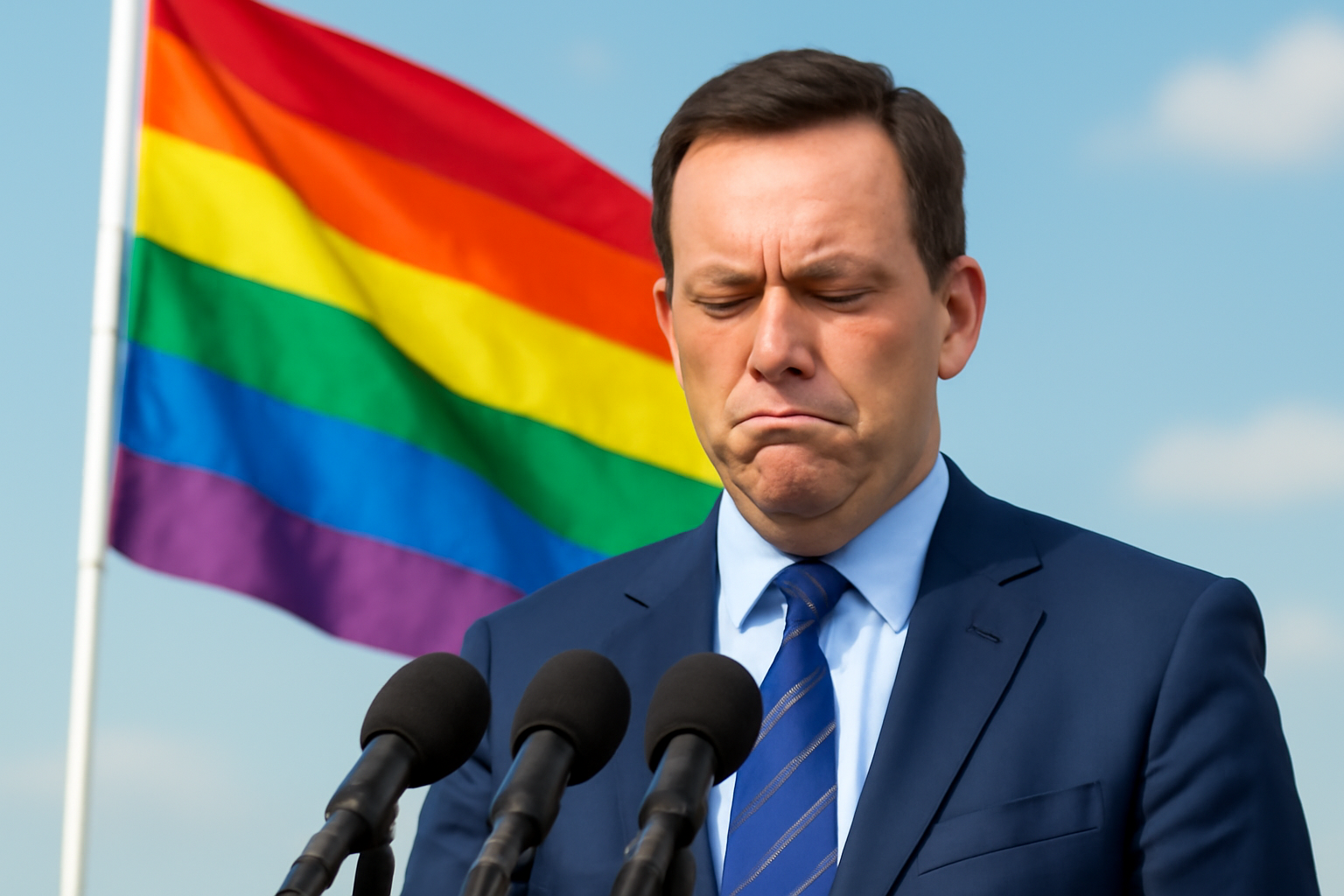
The cost when leaders stay silent
Take Pope Pius XII, a notable historical figure. Despite his efforts in humanitarian causes, he's often taken heat over his failure during World War II. He didn't vocally oppose fascist regimes, and his silence during one history's darkest chapters, The Holocaust, remains a hotly debated part in discussions about his legacy. Neville Chamberlain, British Prime Minister, also comes up in these conversations. Remember his appeasement strategy with Nazi Germany, like with that infamous Munich Agreement in 1938? It was intended as a peacekeeper move, but many see it as paving a smoother road over which Nazi power spread, leading Europe down a treacherous path.Modern political complicity
Fast forward, and you'll see that today's political scene has its own share folks accused staying mum when they ought not. Silence, in these cases, often reads as complicity. Many politicians might lean more towards keeping party harmony than ensuring democracy's balance stays intact. Think back on some members within Republican ranks during Donald Trump's presidency. Critics say these folks were too quiet, and their silence arguably played a part in chipping away at democratic norms and institutions.The tricky business with "useful fools"
The term "useful fools" speaks volumes about people who unknowingly end up serving bigger powers' interests. Historically, leaders have faced sharp critique when they've overlooked or ignored how their actions or alliances could echo beyond immediate comfort zones. These days, it's those cozy ties between Western leaders and hard-line regimes drawing scrutiny. There are moments when such alliances seem like they're bumping up against, or even tearing down, democratic connections like NATO.NATO's key role in global security
Established after World War II, NATO has long been a big player in keeping things stable worldwide through collective defense and mutual support among its members. Still, arguments about money matters and strategic priorities persist, keeping ongoing discussions about its future in play. Take Trump-era concerns about America backing NATO. This raised questions and sparked debate over what role NATO should continue playing on a global security stage.Silence's global repercussions
Being silent while authoritarian regimes flex their muscle isn't just risky—it can have serious international repercussions. It threatens global peace and chips away at democracy itself. Silence as complicity rings true in words by historical giant Rabbi Joachim Prinz, who underscored that tragedies aren't just in acts oppression, but largely in silences from those who look away instead stepping up.Conclusion: Why speaking out matters
Our evolving political tapestry calls out more than ever those who can and should speak against injustice and hold leaders accountable. History's reminders are a clear message about how costly keeping quiet can become. In today's reality where "Silence = Death" continues echoing as a rallying cry, we're left asking: who'll step up, stand against complicity, and champion a future built on justice and equality? Want more insights? Dive deeper with us by subscribing our newsletter, where we explore today's complex and critical issues shaping our shared future.Related Posts
Supreme Court to Address State Bans on Trans Women in Female Sports
The upcoming U.S. Supreme Court term promises to be a pivotal moment for transgender rights, as the nation's highest court has agreed to evaluate whether states have the authority to prohibit transgender women from participating in female sports competitions. This case, scheduled to be argued in the next term beginning October, is expected to have a significant impact on the future of sports inclu [...]
Megan Rapinoe and Sue Bird Announce Amicable Separation After Ten Years Together
In a heartfelt announcement that resonated deeply within the sports and LGBTQ+ communities, soccer star Megan Rapinoe and basketball legend Sue Bird have revealed their decision to part ways after nearly a decade together. The couple, who have been icons both on and off the field, shared the news with their fans through a joint statement on social media, expressing that the choice was made with mu [...]
Groundbreaking Ruling Ends Sodomy Ban for Police and Military in the Dominican Republic
The Constitutional Court of the Dominican Republic recently delivered a landmark decision on November 18th, ruling that the nation’s police and armed forces are not permitted to criminalize consensual same-sex relations among their personnel. This pivotal ruling is a significant stride towards equality and the protection of LGBTQ+ rights within these institutions. A Resounding Victory for Equal [...]