
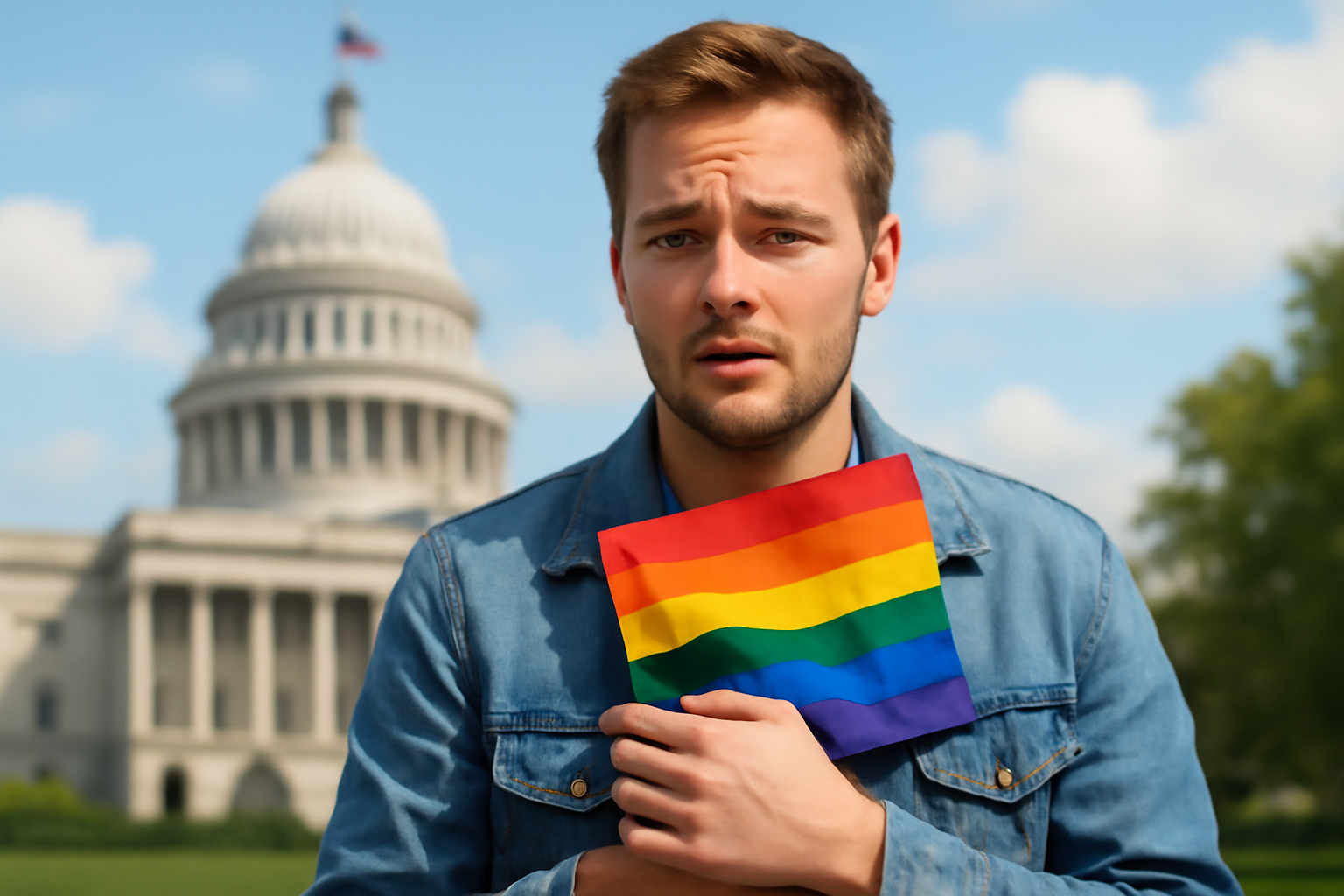
In recent years, the intersection of politics and social justice has become increasingly apparent, particularly in the realm of LGBTQ+ rights and safety. Political decisions made at the highest levels of government can have profound effects on marginalized communities, often exacerbating existing challenges and creating new ones. One such decision is the discourse surrounding potential pardons for those involved in political unrest, which could have far-reaching consequences for the safety and well-being of transgender individuals.
The Roots of Political Unrest
Political unrest and insurrection, such as those witnessed in recent years, often stem from deep-seated grievances and ideological divides within a nation. These events are not isolated incidents but are the culmination of long-standing tensions and dissatisfaction with the status quo. When political leaders consider granting pardons to those involved in such unrest, it sends a powerful message about accountability and justice, which can have unintended repercussions for marginalized groups.
The individuals involved in insurrectionist activities often hold extremist views that are not only political but also social in nature. These views can include elements of racism, sexism, homophobia, and transphobia. By pardoning such individuals, there is a risk of legitimizing these extremist ideologies, which can lead to an increase in discriminatory attitudes and actions against vulnerable communities.
The Impact on the Transgender Community
The transgender community, in particular, faces a unique set of challenges in this political climate. Trans individuals are often the targets of violence and discrimination, driven by societal prejudices and a lack of understanding. When the government appears to condone or minimize the actions of those who hold anti-trans views, it can embolden individuals and groups to act on their biases with greater impunity.
The potential pardoning of insurrectionists can therefore be seen as a catalyst for increased violence against the transgender community. It can create an environment where transphobic rhetoric and actions are not only tolerated but perhaps even encouraged by the perceived lack of consequences. This can lead to a rise in hate crimes, threats, and discrimination, making it even more challenging for trans individuals to navigate their daily lives safely.
The Broader Implications for LGBTQ+ Rights
Beyond the immediate risk of violence, such political decisions can have broader implications for LGBTQ+ rights. Policies and actions that undermine accountability for extremist behavior can stall or reverse progress made in advancing equality and protection for LGBTQ+ individuals. It is crucial for political leaders to recognize the impact their decisions have on all communities, particularly those that are already marginalized and vulnerable.
Ensuring the safety and rights of LGBTQ+ individuals requires a commitment to justice and accountability. Political leaders must take a stand against extremism and discrimination in all its forms. This includes ensuring that those who partake in insurrectionist activities are held accountable for their actions, rather than being granted pardons that could be interpreted as a tacit acceptance of their behavior.
Steps Towards a Safer Future
Creating a safer and more inclusive society for LGBTQ+ individuals, particularly transgender people, requires concerted effort from all sectors of society. This includes advocating for policies that protect the rights of all individuals, regardless of gender identity or sexual orientation. It also involves challenging discriminatory attitudes and fostering environments where diversity and inclusion are celebrated.
Political leaders have a responsibility to lead by example, demonstrating a commitment to equality and justice. By acknowledging the impact of their decisions on marginalized communities, they can help to build a society where everyone feels safe and supported. This includes rejecting actions that would undermine these principles, such as pardoning individuals involved in activities that threaten the fabric of democracy and social justice.
In conclusion, the discourse surrounding pardons for insurrectionists highlights the complex interplay between politics, justice, and social equality. It is imperative that we remain vigilant in protecting the rights and safety of LGBTQ+ individuals, particularly in times of political uncertainty and unrest. By doing so, we can work towards a future where all individuals are free to live authentically and without fear.
Related Posts
Supreme Court to Address State Bans on Trans Women in Female Sports
The upcoming U.S. Supreme Court term promises to be a pivotal moment for transgender rights, as the nation's highest court has agreed to evaluate whether states have the authority to prohibit transgender women from participating in female sports competitions. This case, scheduled to be argued in the next term beginning October, is expected to have a significant impact on the future of sports inclu [...]
Megan Rapinoe and Sue Bird Announce Amicable Separation After Ten Years Together
In a heartfelt announcement that resonated deeply within the sports and LGBTQ+ communities, soccer star Megan Rapinoe and basketball legend Sue Bird have revealed their decision to part ways after nearly a decade together. The couple, who have been icons both on and off the field, shared the news with their fans through a joint statement on social media, expressing that the choice was made with mu [...]
Groundbreaking Ruling Ends Sodomy Ban for Police and Military in the Dominican Republic
The Constitutional Court of the Dominican Republic recently delivered a landmark decision on November 18th, ruling that the nation’s police and armed forces are not permitted to criminalize consensual same-sex relations among their personnel. This pivotal ruling is a significant stride towards equality and the protection of LGBTQ+ rights within these institutions. A Resounding Victory for Equal [...]