
The concept of freedom from religion is as crucial to a democratic society as freedom of religion. However, recent events highlight a growing concern over the blurring lines between religion and government in the United States, particularly under the current administration.
The Separation of Church and State
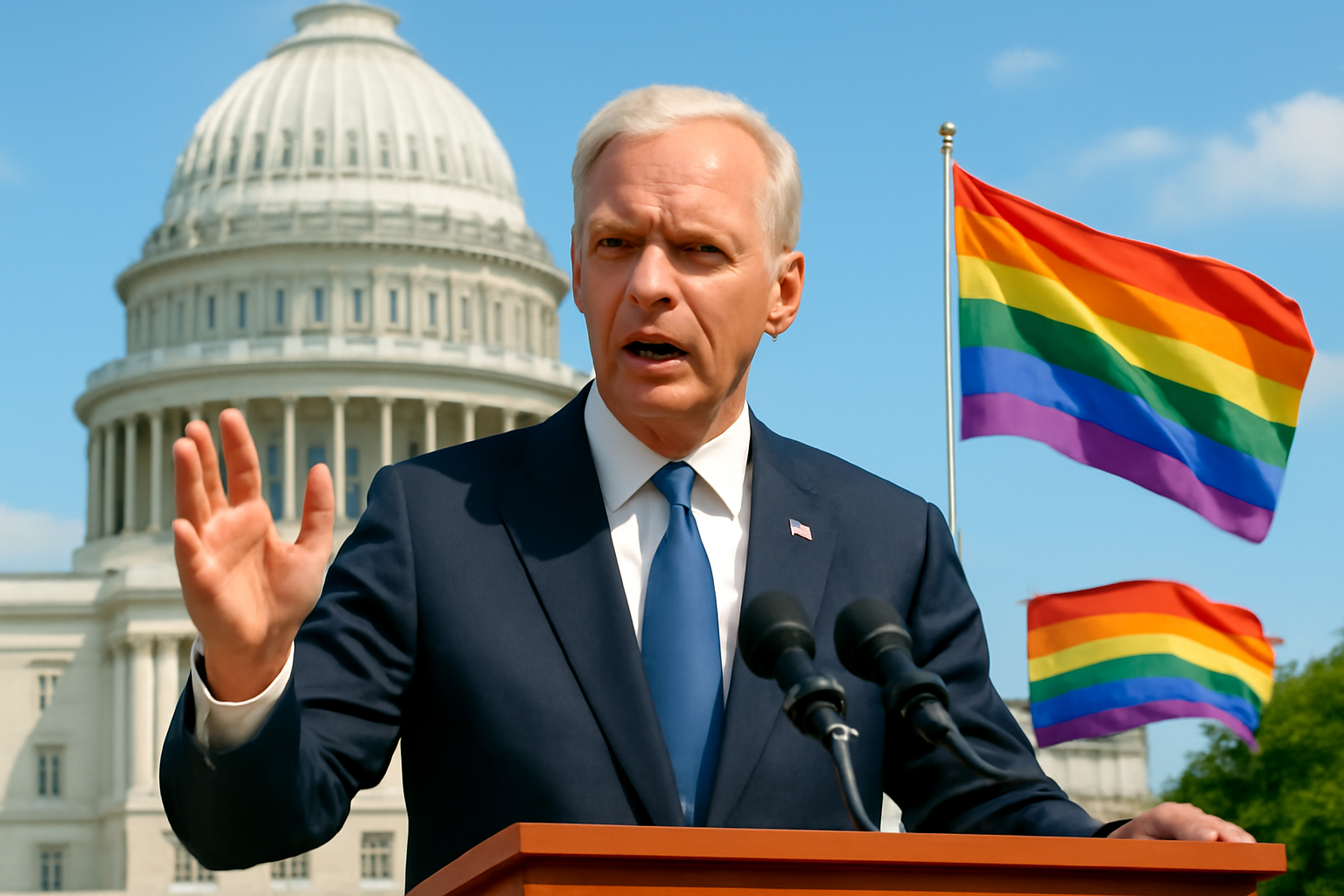
Under the grand dome of the United States Capitol, the sitting president delivered a speech that seemingly tore down the fragile wall intended to keep religion and government separate—a principle enshrined in the First Amendment. This speech, advocating for a stronger presence of religion in public life, contradicts the inclusive vision of a government that represents all citizens, regardless of their religious beliefs or lack thereof.
The president's rhetoric suggests a return to religious dominance in public policy, raising questions about the rights of non-believers and those of different faiths. This stance is further complicated by the administration's actions, which appear to prioritize Christian beliefs over the principles of a pluralistic society.
A Controversial Executive Order
Following the address, an executive order was signed, ostensibly to protect "the religious freedoms of Americans," but critics argue it undermines the rights of LGBTQ+ individuals and others by promoting a narrow view of religious freedom. The order claims to counter an "anti-Christian weaponization of government," accusing previous administrations of fostering an environment hostile to Christian institutions.
These actions have sparked concern among those who advocate for the separation of church and state, as well as those who support LGBTQ+ rights. The order specifically reverses protections for LGBTQ+ individuals, framing such measures as an attack on Christian values.
The Impact on LGBTQ+ Communities
The rollback of policies designed to protect LGBTQ+ rights, particularly in areas such as employment, education, and healthcare, has significant implications. Previous administrations worked to enforce anti-discrimination laws that align with the Supreme Court's recognition of LGBTQ+ rights under existing sex discrimination statutes. However, the new administration's stance threatens to dismantle these protections.
For instance, the reversal of policies regarding the treatment of transgender individuals in federally funded programs undermines the dignity and rights of LGBTQ+ people, challenging the notion of equal protection under the law.
The Role of DEI in American Democracy
Diversity, Equity, and Inclusion (DEI) initiatives embody the principles of justice and equality central to American democracy. They promote environments that respect and celebrate differences, ensuring all individuals feel valued and empowered. Yet, these programs have come under attack, framed as "anti-American" by those who view them as contrary to Christian values.
DEI is not an affront to patriotism; rather, it is a manifestation of the founding ideals of liberty and justice for all. By fostering inclusive spaces, DEI initiatives contribute to the strength and vibrancy of the nation.
Christian Hegemony and Its Consequences
Christian hegemony describes the privilege and systemic advantages afforded to Christians within the United States. This dominance often goes unquestioned, marginalizing non-Christian beliefs and practices. The current administration's policies seem to reinforce this hegemony, privileging Christian norms while neglecting the diverse religious landscape of the country.
This privileging of Christianity not only disregards the rights of non-Christians but also imposes a singular religious perspective on public life, threatening the very foundation of religious freedom.
The Call for True Religious Freedom
True religious freedom implies the right to practice any faith or none at all, without government interference or favoritism. In a nation founded on the principle of freedom for all, the question arises: where is the right to freedom from religion?
As society navigates these challenging times, it is imperative to safeguard the separation of church and state, ensuring that all individuals can live authentically and without fear of religious imposition.
To stay informed and engaged in these ongoing discussions, subscribe to our newsletter and receive updates on issues impacting LGBTQ+ communities worldwide.
Related Posts
Supreme Court to Address State Bans on Trans Women in Female Sports
The upcoming U.S. Supreme Court term promises to be a pivotal moment for transgender rights, as the nation's highest court has agreed to evaluate whether states have the authority to prohibit transgender women from participating in female sports competitions. This case, scheduled to be argued in the next term beginning October, is expected to have a significant impact on the future of sports inclu [...]
Megan Rapinoe and Sue Bird Announce Amicable Separation After Ten Years Together
In a heartfelt announcement that resonated deeply within the sports and LGBTQ+ communities, soccer star Megan Rapinoe and basketball legend Sue Bird have revealed their decision to part ways after nearly a decade together. The couple, who have been icons both on and off the field, shared the news with their fans through a joint statement on social media, expressing that the choice was made with mu [...]
Groundbreaking Ruling Ends Sodomy Ban for Police and Military in the Dominican Republic
The Constitutional Court of the Dominican Republic recently delivered a landmark decision on November 18th, ruling that the nation’s police and armed forces are not permitted to criminalize consensual same-sex relations among their personnel. This pivotal ruling is a significant stride towards equality and the protection of LGBTQ+ rights within these institutions. A Resounding Victory for Equal [...]