
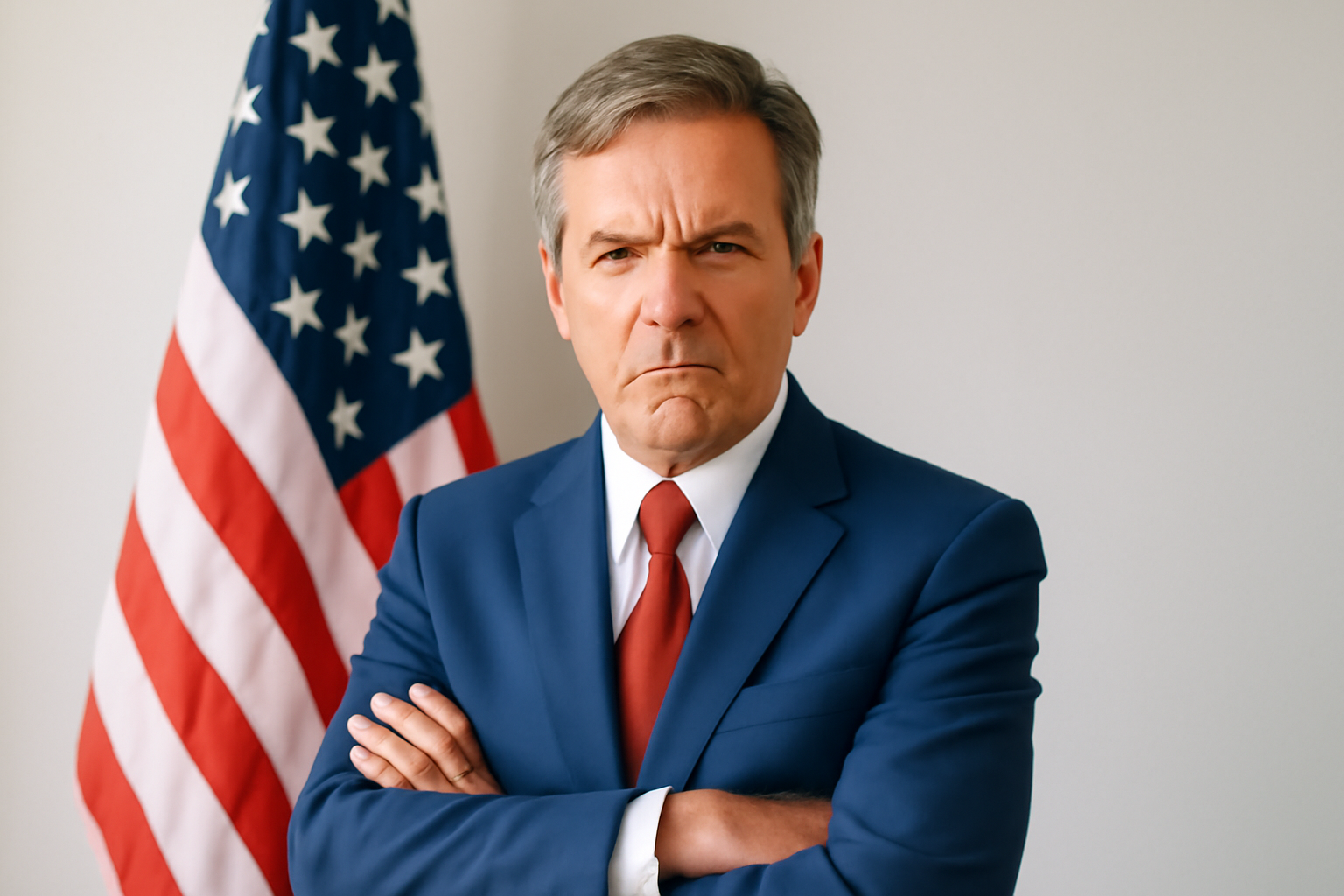
In studying historical shifts towards authoritarianism, one must note the alarming patterns that can lead democracies into perilous territories. Charismatic leaders often utilize dehumanizing rhetoric against groups, with bystanders either enabling or actively participating in these destructive narratives. This troubling trend is visible at both macro and micro levels, from national politics to community dynamics.
Dan Olweus, a prominent researcher in bullying prevention, identifies various roles people assume in oppressive situations. These include the perpetrators, active followers, passive enablers, onlookers, potential defenders, and the actual defenders of targeted individuals. In the political sphere, these roles reflect the dynamics of power and influence that shape the outcomes of elections and governance.
The Complex Web of Political Allegiances
With Donald Trump's re-election, several acquaintances revealed their support for him, despite his controversial tenure marked by numerous false statements and impeachment trials. Trump's campaign secured millions of votes, drawing support from both affluent individuals and working-class citizens, raising questions about why many voted against their apparent economic self-interests.
One possible explanation lies in the narratives spun by media and political entities. The propagation of misinformation and fearmongering regarding economic policies, immigration, and societal changes has a significant impact. The portrayal of threats from "illegal aliens" or alleged Democratic missteps can sway public opinion, often overshadowing empirical economic improvements under different administrations.
Nationalism and Identity
Trump's "America First" approach highlights a shift toward nationalism, often at the expense of international cooperation and environmental commitments. This rhetoric promotes a divisive narrative that has emboldened extremist factions within the political landscape, echoing sentiments of sectarianism that have historically led to conflict.
Polls indicate a concerning belief among citizens that the U.S. is headed towards conflict, with ideas like the "Great Replacement Theory" gaining traction. These beliefs are rooted in fear and historical prejudice, revealing deep-seated tensions that have simmered beneath the surface for generations.
Revisiting Historical Conflicts
Historian John Meacham likens the current state of American democracy to the challenging times of the Civil War. Although a formal cessation of hostilities occurred in 1865, the underlying conflicts regarding race and identity have persisted. The nation's history is a tapestry of struggle between unity and division, manifesting in various forms over the years.
The narrative of civil conflict continues to evolve, with contemporary issues like systemic racism, economic inequality, and political polarisation. These elements contribute to a national identity crisis, exacerbated by the rise of sectarian ideologies that divide rather than unite.
The Role of Information
The transition from shared, fact-based journalism to fragmented media landscapes has further damaged the information space. In this environment, "alternative facts" thrive, complicating efforts to address societal issues with informed, constructive dialogue.
Barbara F. Walter's analysis warns of the precursors to civil unrest, emphasizing that a decline in democratic integrity heightens the risk of conflict. The U.S. has seen fluctuations in its democratic standing, influenced by leadership and governance approaches that either fortify or weaken institutional structures.
The Burden of Responsibility
As the nation stands at a crossroads, it is crucial to recognize the role every individual plays in shaping the future. The lessons from history and insights from political analysts underscore the importance of active citizenship in countering divisive narratives and fostering inclusive governance.
The decisions made today will determine whether the United States can maintain its democratic ideals or succumb to the forces of division and authoritarianism. It is a collective responsibility to safeguard the republic and ensure that it remains a beacon of democracy for future generations.
Related Posts
Supreme Court to Address State Bans on Trans Women in Female Sports
The upcoming U.S. Supreme Court term promises to be a pivotal moment for transgender rights, as the nation's highest court has agreed to evaluate whether states have the authority to prohibit transgender women from participating in female sports competitions. This case, scheduled to be argued in the next term beginning October, is expected to have a significant impact on the future of sports inclu [...]
Megan Rapinoe and Sue Bird Announce Amicable Separation After Ten Years Together
In a heartfelt announcement that resonated deeply within the sports and LGBTQ+ communities, soccer star Megan Rapinoe and basketball legend Sue Bird have revealed their decision to part ways after nearly a decade together. The couple, who have been icons both on and off the field, shared the news with their fans through a joint statement on social media, expressing that the choice was made with mu [...]
Groundbreaking Ruling Ends Sodomy Ban for Police and Military in the Dominican Republic
The Constitutional Court of the Dominican Republic recently delivered a landmark decision on November 18th, ruling that the nation’s police and armed forces are not permitted to criminalize consensual same-sex relations among their personnel. This pivotal ruling is a significant stride towards equality and the protection of LGBTQ+ rights within these institutions. A Resounding Victory for Equal [...]