
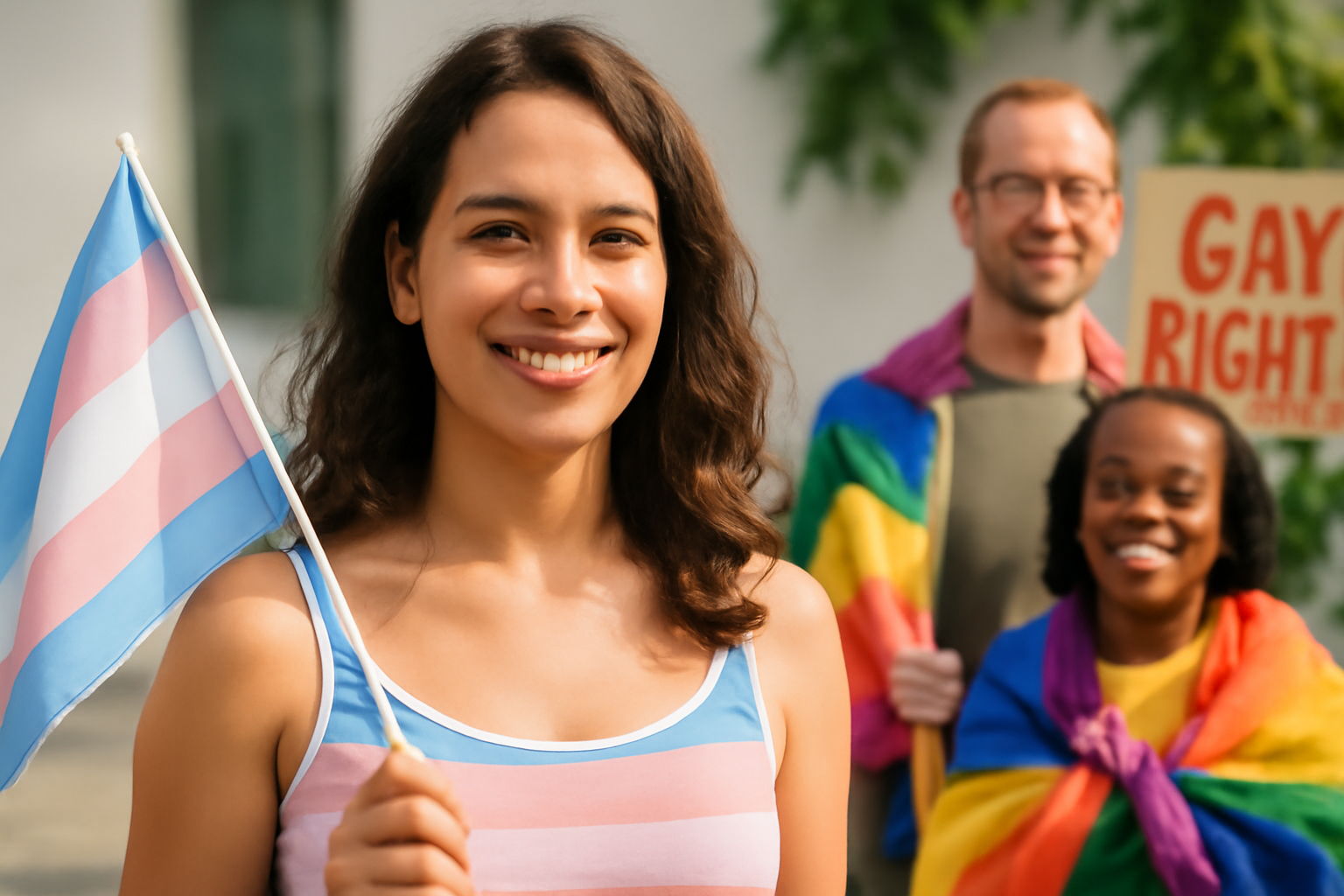
In recent discussions within the LGBTQ+ community, there has been a resurgence of discourse regarding the contributions of transgender individuals in the early gay rights movement. A notable statement from a prominent public figure recently sparked conversation by suggesting that transgender individuals were not significantly involved in these early struggles for equality and recognition. However, historical evidence and the testimonies of those who lived through that era tell a different story.
The Historical Context
To fully appreciate the involvement of transgender individuals in the early gay rights movement, it's crucial to understand the social and political landscape of the time. The Stonewall Riots of 1969, often considered the catalyst for the modern LGBTQ+ rights movement, were a series of spontaneous demonstrations by members of the LGBTQ+ community in response to a police raid at the Stonewall Inn, a gay bar in New York City. The riots are widely recognized as a pivotal moment in the fight for LGBTQ+ rights, representing a collective stand against systemic oppression and discrimination.
Within this historical framework, transgender activists played vital roles. Figures such as Marsha P. Johnson and Sylvia Rivera are often celebrated for their courage and leadership during and after the Stonewall Riots. Both Johnson and Rivera were founding members of the Gay Liberation Front and co-founders of the Street Transvestite Action Revolutionaries (STAR), an organization focused on aiding homeless transgender and queer youth.
Challenging Misconceptions
Despite this historical evidence, there persists a narrative that minimizes or outright ignores the contributions of transgender individuals in the broader struggle for LGBTQ+ rights. This oversight can be attributed to several factors, including societal biases and a historical tendency to focus on the experiences of cisgender gay and lesbian individuals.
It's imperative to challenge these misconceptions, not only to honor the legacy of transgender activists but to foster a more inclusive understanding of LGBTQ+ history. Recognizing the diverse identities and experiences within the community enriches our collective narrative and strengthens our solidarity.
The Importance of Inclusive History
Including transgender histories and perspectives in the broader discourse of LGBTQ+ rights is not merely a matter of historical accuracy; it is a crucial step in addressing present-day disparities and fostering equality. Transgender individuals continue to face disproportionate levels of violence, discrimination, and marginalization. By acknowledging and amplifying their contributions to the movement, we can work towards rectifying these inequities.
Furthermore, understanding the role of transgender individuals in the early gay rights movement provides inspiration and insight for current and future activism. It reminds us that the fight for equality has always been a multifaceted endeavor, requiring solidarity across various identities and experiences.
A Call to Action
The conversation sparked by recent statements should serve as a catalyst for deeper engagement with LGBTQ+ history. Community leaders, educators, and activists have a responsibility to ensure that the narratives we uphold are inclusive and reflective of the diverse voices within our community. This involves actively seeking out and sharing stories of transgender individuals who paved the way for the freedoms we enjoy today.
As we continue to strive for equality and justice, let us remember the words of Sylvia Rivera: "We have to be visible. We should not be ashamed of who we are. We have to show the world that we are numerous." In honoring her legacy, and that of countless other transgender activists, we strengthen our community and our resolve to achieve true equality for all.
In conclusion, the narrative that transgender individuals were not involved in the early gay rights movement is not only inaccurate but diminishes the rich, complex, and inspiring history of our community. By embracing an inclusive and truthful historical account, we honor those who fought before us and empower those who continue the fight today.
Let us commit to learning, teaching, and preserving the full story of our collective struggle for justice and equality.
Related Posts
Supreme Court to Address State Bans on Trans Women in Female Sports
The upcoming U.S. Supreme Court term promises to be a pivotal moment for transgender rights, as the nation's highest court has agreed to evaluate whether states have the authority to prohibit transgender women from participating in female sports competitions. This case, scheduled to be argued in the next term beginning October, is expected to have a significant impact on the future of sports inclu [...]
Megan Rapinoe and Sue Bird Announce Amicable Separation After Ten Years Together
In a heartfelt announcement that resonated deeply within the sports and LGBTQ+ communities, soccer star Megan Rapinoe and basketball legend Sue Bird have revealed their decision to part ways after nearly a decade together. The couple, who have been icons both on and off the field, shared the news with their fans through a joint statement on social media, expressing that the choice was made with mu [...]
Groundbreaking Ruling Ends Sodomy Ban for Police and Military in the Dominican Republic
The Constitutional Court of the Dominican Republic recently delivered a landmark decision on November 18th, ruling that the nation’s police and armed forces are not permitted to criminalize consensual same-sex relations among their personnel. This pivotal ruling is a significant stride towards equality and the protection of LGBTQ+ rights within these institutions. A Resounding Victory for Equal [...]