
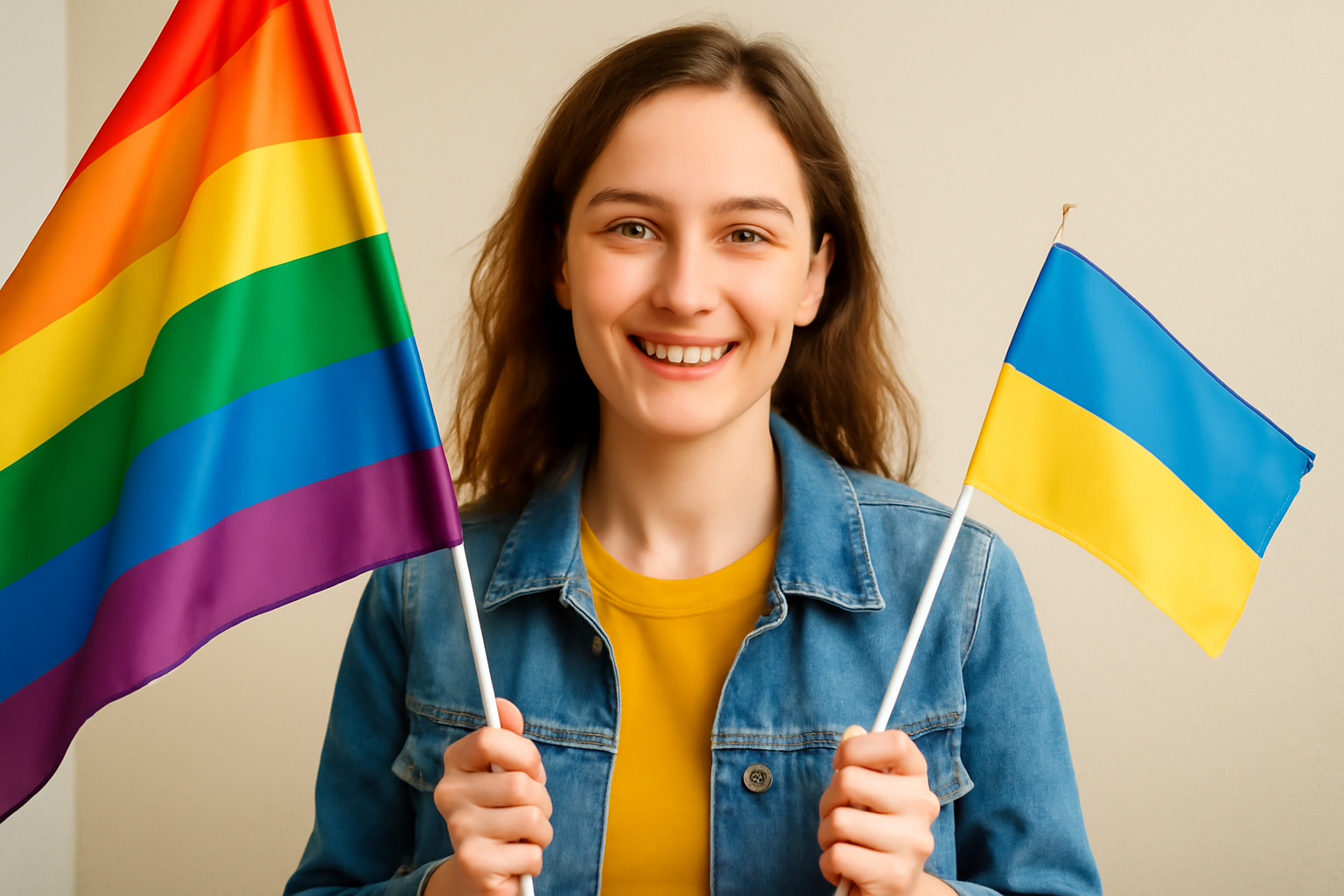
Reflecting on three years: How Russia's invasion impacted LGBTQ Ukrainians
As February 23 rolls around, it's hard not thinking about how it's been three years since Russia launched its full-scale invasion in Ukraine. Even though I've been away from my homeland more than a decade, my dedication towards LGBTQ activism hasn't waned one bit.
Leaving home: My personal story
When I was a young adult, my family had no choice but flee from Donetsk after Russian-backed separatists proclaimed their so-called Donetsk People's Republic in 2014. It was a region few had even heard about back then. Now, it's notorious because conflict has changed everything. Places like Mariupol, once just a spot my family visited on business, are now war zones. As a consequence, most my queer friends have left Ukraine.
LGBTQ rights and global connections
This conflict really shines a light on how interconnected everything in our global community has become, with LGBTQ rights often caught in political crossfires. The future LGBTQ individuals in Ukraine seems tied closely with U.S. policy decisions these days. Russia's been painting LGBTQ communities as symbols "immorality" or "Western decadence," using such narratives against U.S., Ukraine.
And then, in 2022, there was Patriarch Kirill Moscow from Russian Orthodox Church, suggesting war's necessity because "people in Donetsk don't want Gay Prides." He insinuated Western influences were threatening "traditional Russian values."
Ground-level voices
It's interesting hearing experiences like that a transgender person who lived in Donetsk until 2022. They reported less transphobia than their Russian counterparts, with younger Donetsk generations being quite LGBTQ-friendly. During this time, even Russian-backed forces weren't too bothered about LGBTQ issues. Recent polls show 58% Ukrainians feel neutral or positive about LGBTQ neighbors.
Fighting Russian propaganda
Russia's attempts spreading homophobic ideas as invasion's justification didn't catch on widely among Donetsk's people. Historically, Russia has branded LGBTQ organizations as "Western agents," relying heavily on anti-American rhetoric. Despite that, U.S. has offered meaningful support towards Ukraine's LGBTQ community, motivated through genuine humanitarian concern, not conspiracies.
How U.S. support helps
On war's anniversary, I chatted with Igor, a Ukrainian lawyer residing in Vienna. "U.S. support, especially through programs like USAID, remains critical," he emphasized. "Without it, essential LGBTQ services—shelters, emergency housing, HIV counseling—might vanish."
USAID's also funded public outreach, education efforts aimed at countering anti-LGBTQ propaganda. Losing these programs would be devastating: safe spaces could vanish, mental health support might falter, marginalized groups facing heightened risks. While pro-LGBTQ NGOs could tap private or EU-based donors, matching USAID's scale and reliability isn't easy.
Potential threats from shifting U.S. policies
Today, American political shifts pose fresh threats. Former President Donald Trump suggested Ukraine might have cede territories like Crimea, Donbas, and Donetsk back Russia. This sentiment echoed during February's Munich Security Conference by U.S. delegation members.
In Russian-controlled Donetsk, things getting tougher LGBTQ folks. My bisexual, non-binary friend Roman shared they've begun avoiding outsiders because security forces posing as LGBTQ-friendly individuals might be setting up "fake dates." Discussing gender identity publicly feels dangerous now.
Political decisions' possible fallout
Igor observed, "In occupied areas Kherson, Crimea, Russian authorities targeted LGBTQ+ individuals specifically." If U.S. compels Ukraine cede those territories, consequences would be severe. Russia's 'gay propaganda' laws criminalize public LGBTQ expression. Documented violence cases, arrests, disappearances under Russian rule stand stark warnings.
Chechnya's situation under Russian administration offers chilling glimpse what might happen: a terror campaign targets LGBTQ people, alongside non-LGBTQ victimization too.
The power in advocacy
In end, it's vital Americans influence their government, ensuring safety, rights LGBTQ Ukrainians. United, we can strive towards a future where persecution, violence aren't tolerated.
Related Posts
Supreme Court to Address State Bans on Trans Women in Female Sports
The upcoming U.S. Supreme Court term promises to be a pivotal moment for transgender rights, as the nation's highest court has agreed to evaluate whether states have the authority to prohibit transgender women from participating in female sports competitions. This case, scheduled to be argued in the next term beginning October, is expected to have a significant impact on the future of sports inclu [...]
Megan Rapinoe and Sue Bird Announce Amicable Separation After Ten Years Together
In a heartfelt announcement that resonated deeply within the sports and LGBTQ+ communities, soccer star Megan Rapinoe and basketball legend Sue Bird have revealed their decision to part ways after nearly a decade together. The couple, who have been icons both on and off the field, shared the news with their fans through a joint statement on social media, expressing that the choice was made with mu [...]
Groundbreaking Ruling Ends Sodomy Ban for Police and Military in the Dominican Republic
The Constitutional Court of the Dominican Republic recently delivered a landmark decision on November 18th, ruling that the nation’s police and armed forces are not permitted to criminalize consensual same-sex relations among their personnel. This pivotal ruling is a significant stride towards equality and the protection of LGBTQ+ rights within these institutions. A Resounding Victory for Equal [...]