
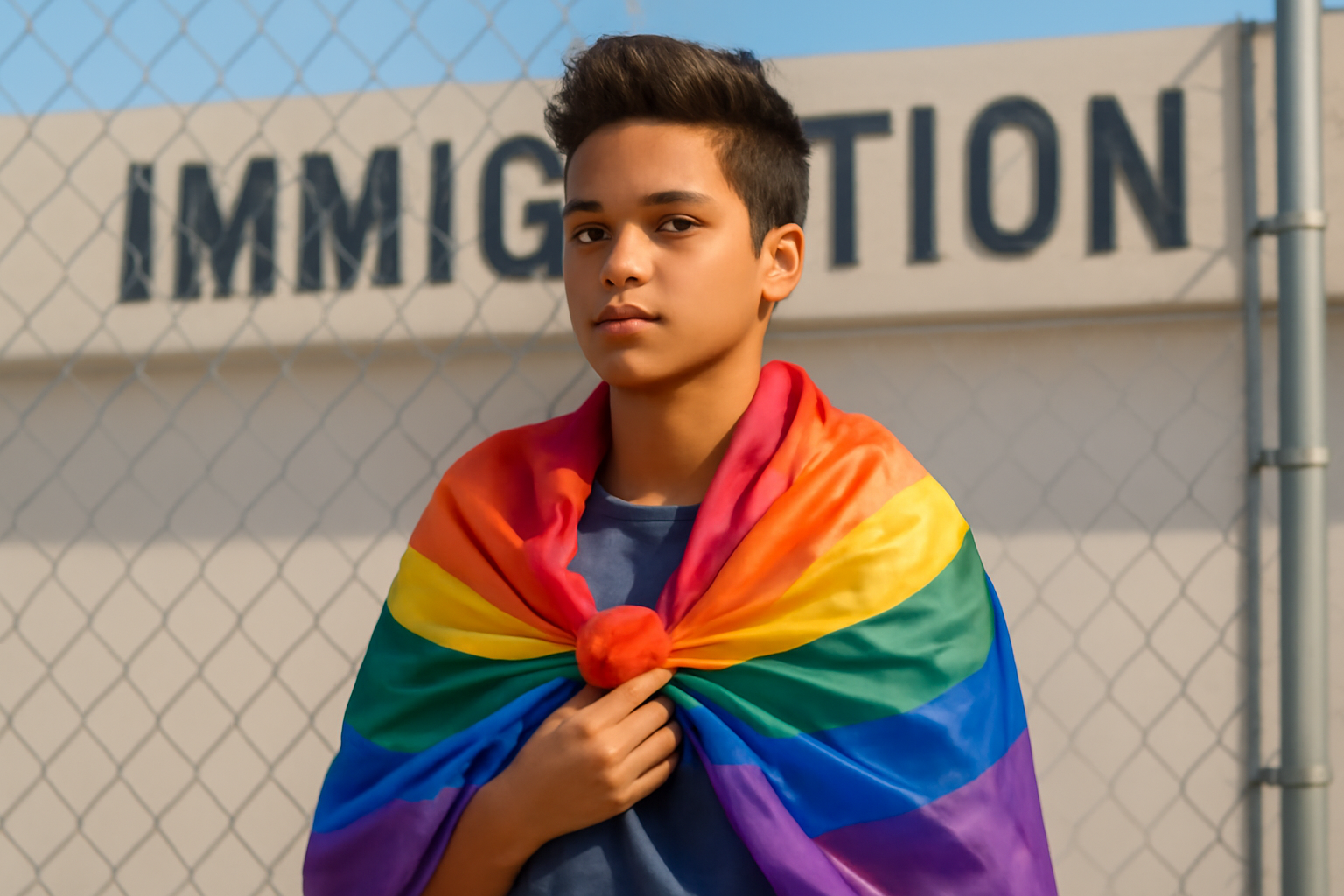
In recent years, immigration policies have increasingly become a point of contention and debate across many nations, particularly in the United States. Under the previous administration, there were significant changes and crackdowns on immigration that have had profound effects on various communities. Among the most vulnerable groups affected by these policies are LGBTQ+ individuals who are non-U.S. citizens.
Challenges Faced by LGBTQ+ Immigrants
LGBTQ+ immigrants often face unique challenges that set them apart from other immigrant groups. Many come from countries where sexual orientation and gender identity are criminalized or heavily discriminated against, seeking refuge in countries that offer more protections and freedoms. However, changes in immigration policies can threaten the safety and futures of these individuals in several ways.
Firstly, the fear of deportation can be particularly acute for LGBTQ+ asylum seekers. Deportation could mean returning to countries where they may face persecution, discrimination, or even violence due to their sexual orientation or gender identity. This fear is compounded by the complexities of the asylum system, which can involve lengthy processes and requires individuals to prove their case—a challenging task when one's life and identity are at stake.
Policy Changes and Their Impact
The previous administration implemented a series of immigration policies that significantly increased the difficulty for immigrants to seek asylum and legal residence in the United States. For LGBTQ+ individuals, these policies were especially detrimental. Measures such as the "Remain in Mexico" policy forced asylum seekers to wait outside the U.S. for their court hearings, often in dangerous and unsanitary conditions, further exacerbating the risks faced by LGBTQ+ individuals.
Additionally, the narrowing of guidelines for what constitutes a "credible fear" for asylum claims made it harder for LGBTQ+ individuals to argue their cases if their persecution was based on sexual orientation or gender identity. The criteria for asylum became stricter, requiring more detailed evidence and documentation that is often difficult to obtain, especially from countries where LGBTQ+ rights are not recognized or respected.
Community and Organizational Support
In response to these challenges, numerous LGBTQ+ rights organizations and immigrant advocacy groups have stepped up to provide support and resources. These organizations offer legal assistance, counseling, and advocacy to help LGBTQ+ immigrants navigate the complex immigration system. They work tirelessly to raise awareness about the unique challenges faced by this community, advocating for more inclusive and fair immigration policies that recognize the specific vulnerabilities of LGBTQ+ immigrants.
Furthermore, community support networks play a crucial role in providing emotional and practical support to LGBTQ+ immigrants. These networks can offer safe spaces and connect individuals with resources such as housing, health care, and employment opportunities, which are essential for their well-being and integration into society.
The Path Forward
As the political landscape continues to evolve, there is hope that future policies will be more inclusive and considerate of the needs of LGBTQ+ immigrants. Advocates are pushing for reforms that provide clearer pathways to asylum and residency for those fleeing persecution due to their sexual orientation or gender identity. They are also calling for the elimination of policies that disproportionately harm vulnerable populations, advocating for a system that recognizes the dignity and rights of all individuals, regardless of their immigration status.
Ultimately, creating a more just and equitable immigration system requires a concerted effort from lawmakers, advocates, and communities. By centering the voices and experiences of LGBTQ+ immigrants, we can work towards policies that uphold human rights and provide safety and opportunity for all.
Related Posts
Supreme Court to Address State Bans on Trans Women in Female Sports
The upcoming U.S. Supreme Court term promises to be a pivotal moment for transgender rights, as the nation's highest court has agreed to evaluate whether states have the authority to prohibit transgender women from participating in female sports competitions. This case, scheduled to be argued in the next term beginning October, is expected to have a significant impact on the future of sports inclu [...]
Megan Rapinoe and Sue Bird Announce Amicable Separation After Ten Years Together
In a heartfelt announcement that resonated deeply within the sports and LGBTQ+ communities, soccer star Megan Rapinoe and basketball legend Sue Bird have revealed their decision to part ways after nearly a decade together. The couple, who have been icons both on and off the field, shared the news with their fans through a joint statement on social media, expressing that the choice was made with mu [...]
Groundbreaking Ruling Ends Sodomy Ban for Police and Military in the Dominican Republic
The Constitutional Court of the Dominican Republic recently delivered a landmark decision on November 18th, ruling that the nation’s police and armed forces are not permitted to criminalize consensual same-sex relations among their personnel. This pivotal ruling is a significant stride towards equality and the protection of LGBTQ+ rights within these institutions. A Resounding Victory for Equal [...]