
Exploring why there's a debate over banning transgender military service
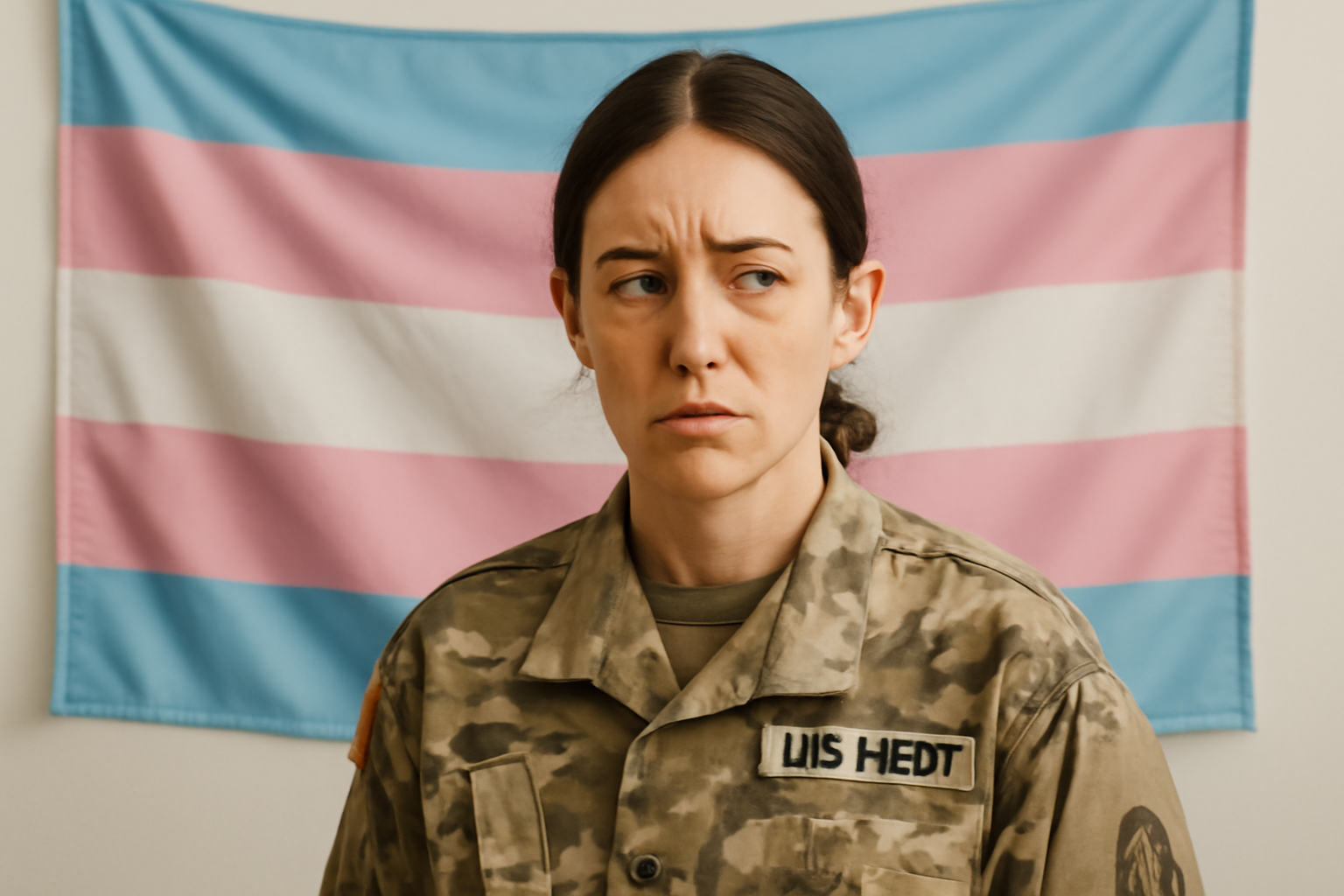
The decision that stops transgender people from serving openly in our military has really stirred up some serious debate. This policy, under claims that it's about maintaining military strength, has faced a lot criticism. Many say it lacks real evidence and seems more about bias than anything else. Let's dive in and see what this ban means, and how it's impacting both those it directly targets and our broader community.
How this ban affects equality and inclusion in our military
At its core, banning transgender service members feels like a step back in terms equality and inclusion. By preventing transgender folks from serving openly, this policy doesn't just shut out ready-and-able individuals; it also fuels harmful stereotypes and stigma. It unfairly suggests that transgender individuals can't serve, despite plenty evidence showing they've done so honorably and effectively.
This ban also takes a swing at values like diversity and acceptance, which are so key in any strong military force. Our military has long benefited from diverse views and skills. By excluding transgender people, we're missing out on talents that could really help enhance its mission with unique skills and insights.
The backlash against prohibiting transgender service
The ban on transgender military service hasn't gone unnoticed. Activists, military leaders, and human rights groups are all speaking out against it. Many argue this policy stems more from old-fashioned and biased views about gender identity than from any real military need. Critics point out there's no solid proof suggesting that having transgender members harms military unity or readiness. On contrary, research often shows inclusive policies tend not harm military function.
The ban also clashes with one military's core values: meritocracy, where people are judged by ability, not personal traits. By focusing on gender identity over skill, this policy goes against fairness and equality, foundations our military claims hold dear.
The real-life impact on those targeted by this ban
The fallout from transgender military ban isn't just theoretical; it deeply impacts lives those targeted. For transgender service members, it creates a hostile environment that threatens their careers simply because who they are. Many end up feeling they have hide their true selves, leading considerable stress and anxiety.
Plus, this ban can make feelings isolation and rejection even worse among transgender people, who already deal with discrimination in so many life areas. By barring them from serving, it sends a hurtful message that they're not valued or respected, further marginalizing already vulnerable group.
The push towards inclusivity and acceptance
Thankfully, there are advocates fighting hard reverse this ban, stressing how important inclusivity and equality are across board, military included. They support policies that let anyone serve based on ability and dedication, not gender identity.
As society moves toward broader acceptance diverse identities, it's vital that institutions like military reflect this progress. Embracing diversity doesn't just strengthen military by bringing in more skills and views, but also upholds principle that everyone should have right serve and be recognized their contributions.
Conclusion: aiming a future that's inclusive
This transgender military ban remains a hot topic, challenging us think about equality, fairness, and what values we stand by. Supporters say it's about military efficiency, but evidence often points opposite direction, underscoring need more inclusive policies. By understanding what's at stake with this ban, we can work toward future where anyone, no matter their gender identity, can proudly and openly serve their country.
Related Posts
Supreme Court to Address State Bans on Trans Women in Female Sports
The upcoming U.S. Supreme Court term promises to be a pivotal moment for transgender rights, as the nation's highest court has agreed to evaluate whether states have the authority to prohibit transgender women from participating in female sports competitions. This case, scheduled to be argued in the next term beginning October, is expected to have a significant impact on the future of sports inclu [...]
Megan Rapinoe and Sue Bird Announce Amicable Separation After Ten Years Together
In a heartfelt announcement that resonated deeply within the sports and LGBTQ+ communities, soccer star Megan Rapinoe and basketball legend Sue Bird have revealed their decision to part ways after nearly a decade together. The couple, who have been icons both on and off the field, shared the news with their fans through a joint statement on social media, expressing that the choice was made with mu [...]
Groundbreaking Ruling Ends Sodomy Ban for Police and Military in the Dominican Republic
The Constitutional Court of the Dominican Republic recently delivered a landmark decision on November 18th, ruling that the nation’s police and armed forces are not permitted to criminalize consensual same-sex relations among their personnel. This pivotal ruling is a significant stride towards equality and the protection of LGBTQ+ rights within these institutions. A Resounding Victory for Equal [...]