
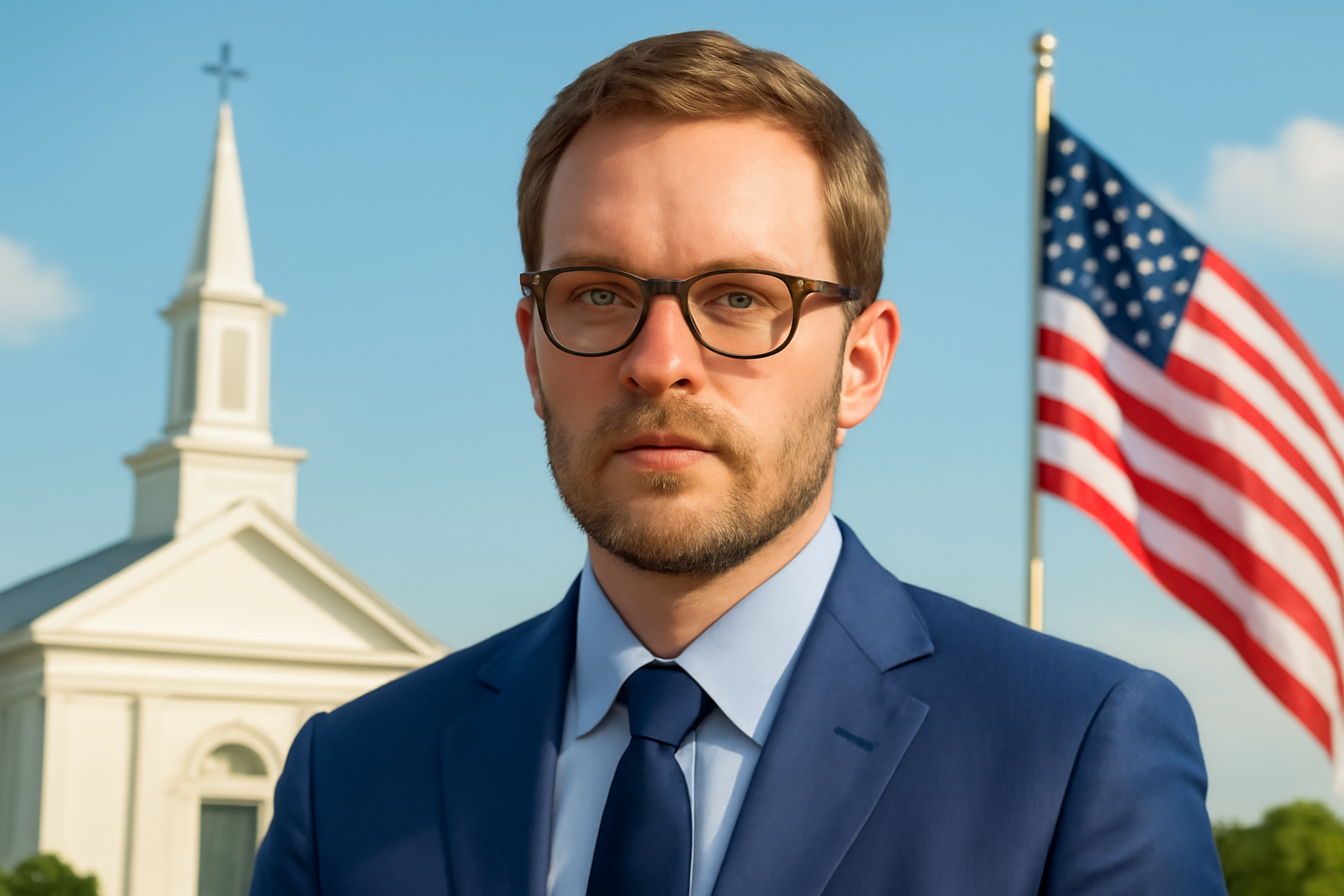
In today's America, religion and politics seem more intertwined than ever, a scenario that might've baffled our founding fathers. They were pretty clear about wanting a separation between church and state, a principle they embedded in our First Amendment. It was their safeguard against a national religion, ensuring freedom in religious belief. Yet here we are, often finding these lines blurred, sparking debates about just how much influence religion should have in our government.
Religious diversity at political events
Take a look at Donald Trump's second inauguration on January 20, 2025. Noticed something missing? While Christian and Jewish clergy were present, there weren't any Muslim representatives. This absence didn't go unnoticed and fueled ongoing discussions about religious representation in government events, reminding us why inclusivity matters.
Trump's ceremonies have always leaned heavily on religious figures. His first inauguration back in 2017 was no different, with Christian and Jewish clergy playing prominent roles. It makes you wonder about religion's role in government activities and whether we're maintaining a healthy balance between tradition and secular governance.
Constitutional debates over prayer in politics
In 2025, Trump's declaration about a National Day Of Prayer ruffled some feathers again, stirring constitutional debates. The crux? The First Amendment's establishment clause, which says government shouldn't endorse religion. Despite brushes with legality—like Judge Barbara Crabb's 2010 ruling against it—these proclamations keep coming, showcasing our ongoing tussle with balancing religious customs and constitutional guidelines.
Looking back: The founders' vision
The founding fathers, particularly Thomas Jefferson and James Madison, envisioned a setup where religion and government were separate realms. Jefferson's "Act For Establishing Religious Freedom" in Virginia laid early groundwork, and while "the separation between church and state" wasn't directly in their writings, it was Jefferson's phrase in a letter from 1802 that stuck. Madison? He warned in his "Detached Memoranda" about government-sponsored religious activities, like appointing chaplains, a warning still relevant as we contend with religious influences in policy-making.
The pledge and religious influence
Flashback: It's 1954, during those tense Cold War days, and Congress decides "under God" should be in our Pledge Of Allegiance. This move, alongside putting "In God We Trust" on our money, shows how religion and national identity got wrapped up together. Critics argue that these changes stray from what our founders wanted—a secular government.
Revamping church and state separation
Fast forward, and we're still figuring out religious influence in politics with our founding fathers' cautions echoing in our ears. Reaffirming their call with a solid church and state divide might ensure both realms flourish separately, with no overreach.
So, what's it going be? Will we honor our founders' secular vision or keep weaving religion deeper in politics? Following Madison's lead in firming up that "wall" could preserve both religious and governmental integrity.
Ultimately, our founders' legacy challenges us: protect their hard-won freedoms, keep personal beliefs personal, and ensure our policies mirror America's rich diversity.
Related Posts
Supreme Court to Address State Bans on Trans Women in Female Sports
The upcoming U.S. Supreme Court term promises to be a pivotal moment for transgender rights, as the nation's highest court has agreed to evaluate whether states have the authority to prohibit transgender women from participating in female sports competitions. This case, scheduled to be argued in the next term beginning October, is expected to have a significant impact on the future of sports inclu [...]
Megan Rapinoe and Sue Bird Announce Amicable Separation After Ten Years Together
In a heartfelt announcement that resonated deeply within the sports and LGBTQ+ communities, soccer star Megan Rapinoe and basketball legend Sue Bird have revealed their decision to part ways after nearly a decade together. The couple, who have been icons both on and off the field, shared the news with their fans through a joint statement on social media, expressing that the choice was made with mu [...]
Groundbreaking Ruling Ends Sodomy Ban for Police and Military in the Dominican Republic
The Constitutional Court of the Dominican Republic recently delivered a landmark decision on November 18th, ruling that the nation’s police and armed forces are not permitted to criminalize consensual same-sex relations among their personnel. This pivotal ruling is a significant stride towards equality and the protection of LGBTQ+ rights within these institutions. A Resounding Victory for Equal [...]