
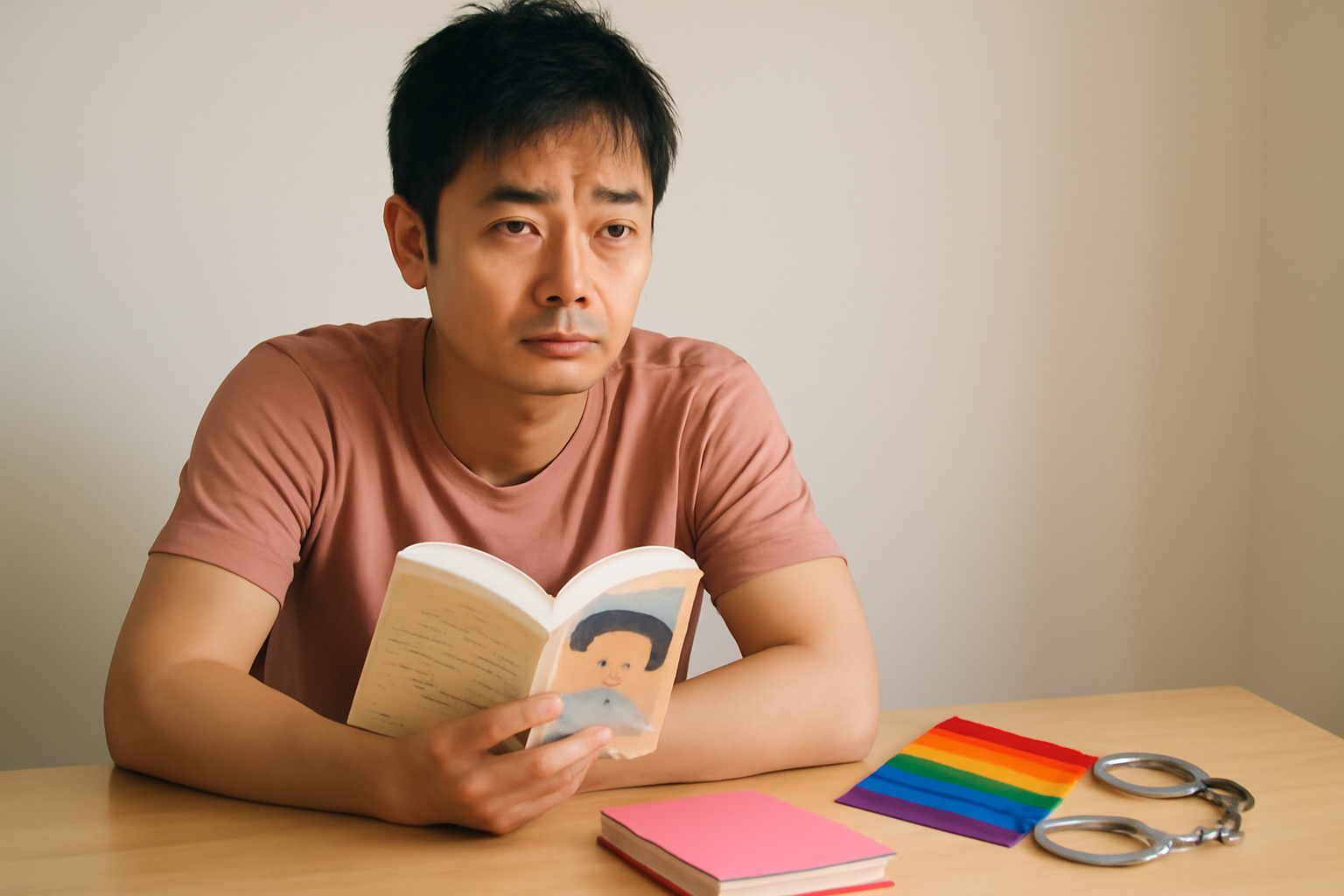
In recent years, creators of LGBTQ+ content in China have found themselves walking a fine line as they navigate a complex landscape of cultural sensitivities and legal restrictions. Among the most affected are authors of gay-themed erotica, who are increasingly facing scrutiny and potential arrest under the country's stringent laws governing sexual content.
China has long maintained a conservative stance towards media and literature, especially when it comes to content that is considered explicit or 'deviant' by traditional standards. This is particularly true for works that depict or celebrate non-heteronormative relationships, which are often frowned upon by authorities.
The Legal Landscape
China's legal system classifies certain types of sexually explicit material as illegal, and this extends to works of fiction, including novels and stories that feature gay relationships or themes. The law is broad, and its enforcement can be unpredictable, leaving many writers in a precarious position. Authors who publish gay-themed erotica risk not only censorship but also personal repercussions, including arrest.
In recent incidents, some writers have been detained and charged under laws related to the distribution of obscene materials. These charges can carry hefty penalties, including fines and imprisonment, creating a climate of fear that stifles creative expression and discourages many from sharing their stories.
The Impact on Creative Expression
The threat of legal action has a chilling effect on the creation and distribution of LGBTQ+ content. Many authors are forced to self-censor or seek alternative methods of sharing their work, such as through anonymous online platforms or by using pseudonyms. The fear of arrest or social backlash leads to a stifling of voices that could otherwise contribute to a richer and more diverse cultural dialogue.
Moreover, this environment creates significant hurdles for new writers who might wish to explore LGBTQ+ themes. The risk of punishment discourages many from pursuing their passion for storytelling or from addressing important issues related to identity, love, and societal acceptance.
Community and Resistance
Despite these challenges, there is a thriving underground community that seeks to support and protect LGBTQ+ creators. Online forums and social media groups provide a safe space for discussion and the sharing of works that might not otherwise see the light of day. This digital resistance is crucial for maintaining a sense of community and solidarity among those who produce and consume LGBTQ+ literature.
Additionally, there are international organizations that campaign for greater freedom of expression in China, advocating for the rights of LGBTQ+ artists and writers. These groups work tirelessly to bring global attention to the plight of those who face persecution for their creative endeavors.
Looking Forward
While the current situation is challenging, there remains hope for progress. As more people within China and around the world push for greater acceptance and understanding of LGBTQ+ communities, there is potential for positive change. Advocacy and awareness can lead to a gradual shift in public opinion and, eventually, policy.
In the meantime, the courage and resilience of those who continue to write and share their stories under difficult circumstances should be celebrated. Their work not only enriches the cultural landscape but also serves as a beacon of hope for others who long for representation and recognition.
The journey towards greater freedom and acceptance for LGBTQ+ creators in China is fraught with obstacles, but it is also one of profound significance. By raising awareness and fostering dialogue, we can all contribute to a future where diverse voices are not only heard but celebrated.
Related Posts
Exploring 'Feminine': A Preview at The Pride Center of New Jersey
An Exciting Artistic Expression of Identity The Pride Center of New Jersey is thrilled to host a captivating preview of the exhibit "Feminine," a unique artistic exploration of gender and identity. This event promises to be an enriching experience for anyone interested in the vibrant tapestry of the LGBTQ+ community. The preview will take place at the Pride Center, located in the welcoming town of [...]
Controversy at the Kennedy Center: Drag Shows Thrive Despite Political Promises
In a surprising turn of events, the Kennedy Center, an iconic cultural venue, finds itself at the center of a political and cultural controversy. This comes after former President Donald Trump made headlines by dismissing the Kennedy Center's board, appointing himself as chair, and installing Ric Grenell, a devoted supporter, as the interim head. This move was part of an effort to eliminate what T [...]
Controversial Photo of Caitlyn Jenner with Trump and Musk Sparks Debate
A recently circulated photograph has ignited extensive discussion within the LGBTQ+ community. The image depicts Caitlyn Jenner, a prominent transgender figure and Republican, standing alongside former President Donald Trump and billionaire Elon Musk. This photo, shared by the social media account @PatriotTakes on the platform X, has brought to light complex issues surrounding trans rights and the [...]