
Presidential Power and Accountability
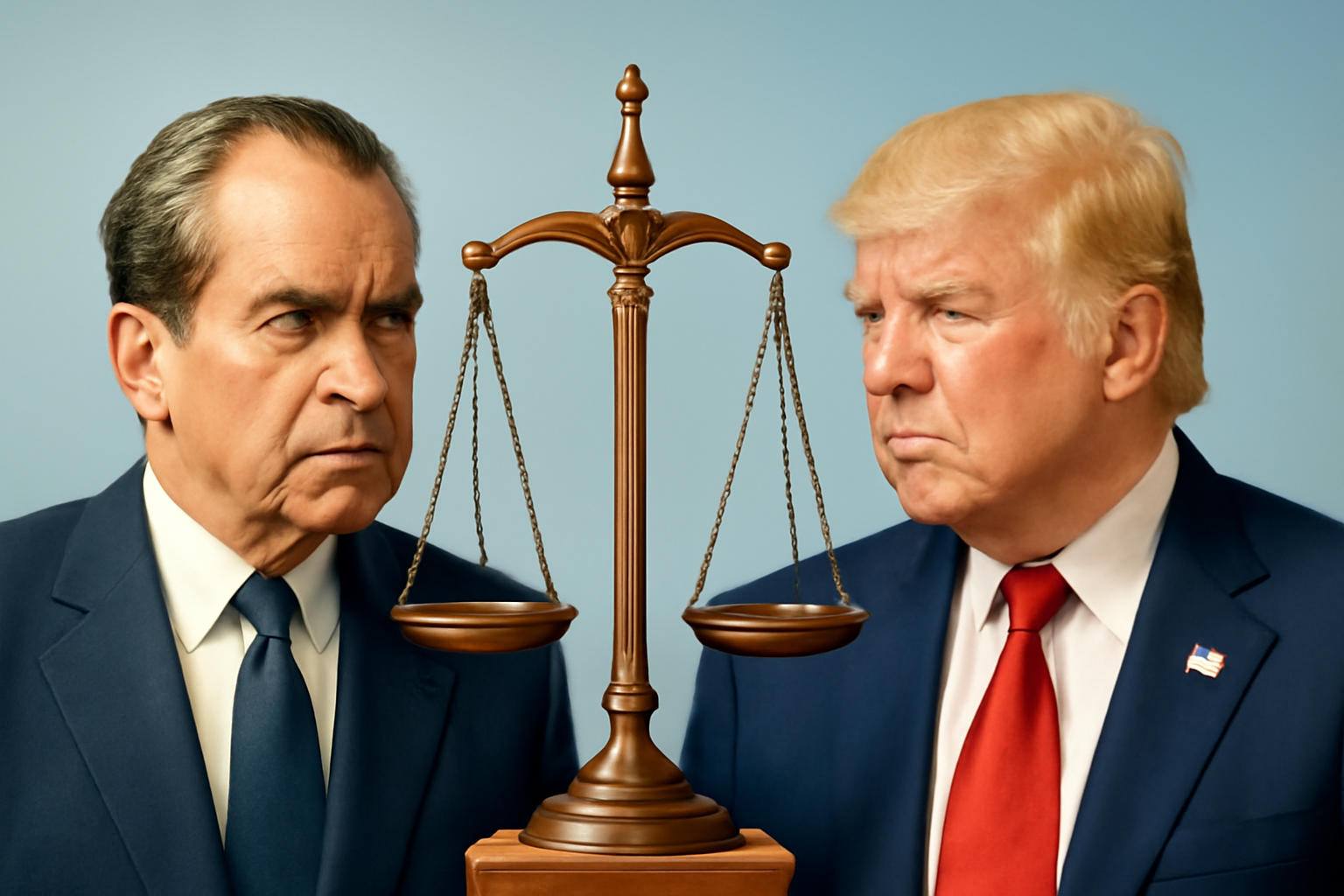
In the annals of U.S. history, Richard Nixon famously asserted, "When the president does it, that means it is not illegal," during a revealing interview with British broadcaster David Front. Long after Nixon's resignation, following the Watergate scandal, these words continue to echo, resurfacing with renewed emphasis in the era of Donald Trump.
Donald Trump seems to have followed a similar philosophy, arguing for broad presidential immunity in the face of charges related to election interference. His legal team’s demands for dismissal of these charges, based on his presidential status, bring to mind Nixon's controversial defense strategies.
Judicial Challenges and Supreme Court Rulings
Judge Tanya Chutkan recently denied Trump's motion for immunity, firmly stating that his time in the Oval Office did not grant him a "divine right of kings" to avoid the legal responsibilities that apply to all citizens. Chutkan refuted Trump's interpretation of the Constitution, emphasizing that "former presidents enjoy no special conditions on their federal criminal liability."
However, this judicial interpretation faced setbacks when the Supreme Court delivered a 6-3 decision in Trump v. United States, effectively granting broad presidential immunity for actions taken as part of the "core powers" of the presidency. The ruling implied that presidents might be shielded from prosecution under the guise of official duties, though it left open the question of what constitutes an "unofficial act."
This decision raises critical concerns about the potential for executive overreach, as the Court did not clearly define what these "core powers" encompass, leaving room for interpretation and possible abuse. The implications are profound, especially given the hypothetical scenario posed during hearings about a president ordering military actions against civilians.
The Role of Citizens in a Democratic Society
In her dissent, Justice Sotomayor warned that this new interpretation of official-acts immunity could serve as a "loaded weapon" for any future president inclined to prioritize personal interests over national welfare. The decision has sparked conversations about the balance of power and the role of the judiciary in upholding democratic principles.
History shows that a functioning democratic republic relies on an engaged and informed citizenry. This is especially true in times when governmental actions threaten to undermine the very fabric of democracy. Resistance movements throughout history have demonstrated that people can and do find ways to oppose autocratic and oppressive regimes.
Building a Brighter Future
Each individual and group within a society has unique strengths and interests, which can collectively contribute to the building and sustaining of equitable institutions. Just as a fire requires fuel, oxygen, and a spark, so does democracy need diverse voices and actions to thrive.
The analogy of democracy as a fire is instructive. It takes a combination of elements—passionate citizens (fuel), open discourse (oxygen), and innovative ideas (spark)—to create and sustain a vibrant, equitable nation. Recognizing the necessity of these components encourages us all to find our place in the ongoing struggle for justice and equality.
Resilience and Hope
As we reflect on the lessons of the past and strategize for the future, it is essential to maintain hope and resilience. The normalization of once-unprecedented actions should not deter us from vigilance and activism. Despite the exhaustion that can accompany sustained engagement, the stakes are too high for complacency.
In the aftermath of the recent electoral cycle, as we prepare for the challenges ahead, let us draw strength from our shared commitment to democratic values. Our institutions are only as robust as our collective will to defend them. Together, we can overcome divisive forces and strive towards a future defined by equality and justice for all.
Subscribe to our newsletter for insightful commentary on the issues that matter most to the LGBTQ+ community, and stay connected with the latest developments in our ongoing fight for equality.
Related Posts
Supreme Court to Address State Bans on Trans Women in Female Sports
The upcoming U.S. Supreme Court term promises to be a pivotal moment for transgender rights, as the nation's highest court has agreed to evaluate whether states have the authority to prohibit transgender women from participating in female sports competitions. This case, scheduled to be argued in the next term beginning October, is expected to have a significant impact on the future of sports inclu [...]
Megan Rapinoe and Sue Bird Announce Amicable Separation After Ten Years Together
In a heartfelt announcement that resonated deeply within the sports and LGBTQ+ communities, soccer star Megan Rapinoe and basketball legend Sue Bird have revealed their decision to part ways after nearly a decade together. The couple, who have been icons both on and off the field, shared the news with their fans through a joint statement on social media, expressing that the choice was made with mu [...]
Groundbreaking Ruling Ends Sodomy Ban for Police and Military in the Dominican Republic
The Constitutional Court of the Dominican Republic recently delivered a landmark decision on November 18th, ruling that the nation’s police and armed forces are not permitted to criminalize consensual same-sex relations among their personnel. This pivotal ruling is a significant stride towards equality and the protection of LGBTQ+ rights within these institutions. A Resounding Victory for Equal [...]