
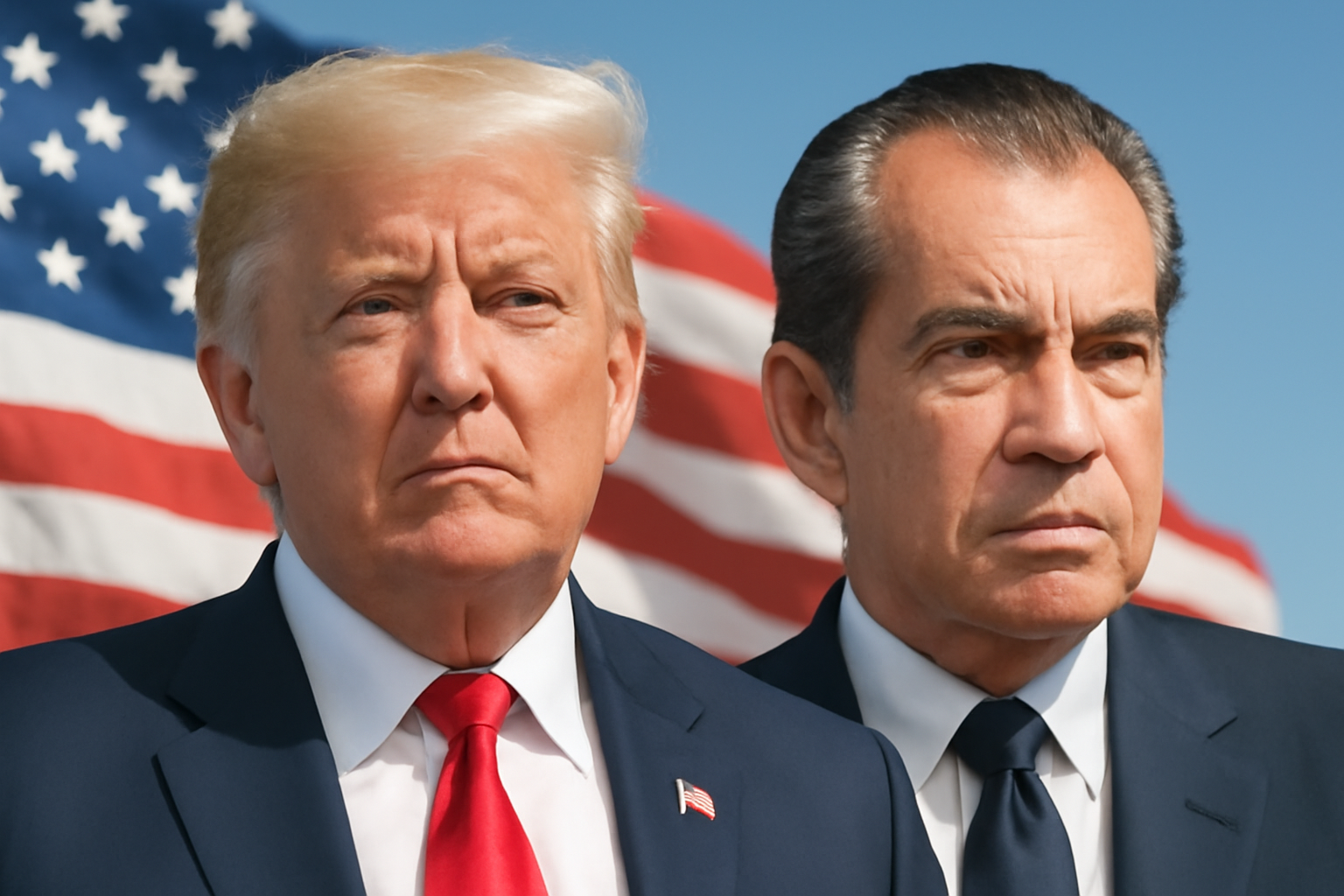
In the annals of American history, presidential power and its boundaries have been a subject of continuous debate. Richard Nixon, once famously claimed that actions taken by a president could not be illegal simply by virtue of their office. This controversial perspective seemed a guiding principle for subsequent administrations, including that of Donald Trump. Trump, facing legal challenges, evoked the idea of presidential immunity to argue for the dismissal of charges related to his alleged interference in elections.
Presidential Immunity: A Contested Domain
Judge Tanya Chutkan ruled against Trump's claim, emphasizing that former presidents are not above the law. According to her, the U.S. Constitution does not provide ex-presidents with special protections against criminal accountability. However, the Supreme Court's decision on July 1, 2024, in Trump v. United States, expanded presidential immunity in certain contexts. The Court ruled that while presidents are immune from prosecution for actions within the core powers of their office, they can be held accountable for unofficial acts.
This ruling raises crucial questions about the scope of presidential powers. What constitutes the "core powers" of a president? Does this give a sitting president carte blanche to act without fear of legal repercussions? The ambiguities in the ruling leave room for interpretation, potentially setting a dangerous precedent where actions taken under the guise of "official duties" could evade scrutiny.
Safeguarding Democracy
Justice Sotomayor, in her dissent, warned of the risks associated with the new interpretation of presidential immunity. She highlighted how such immunity could be misused to prioritize personal interests over national welfare, effectively placing the president above the law. The elevation of presidential powers to such a level threatens the foundational principles of democracy, where no individual is supposed to be above the law.
In this context, the concept of "trumpery," defined historically as deceit or worthless showiness, becomes metaphorically pertinent. The current political climate demands an active and vigilant citizenry to hold leaders accountable and maintain the integrity of democratic institutions.
Resistance and Resilience
Throughout history, resistance movements have emerged to challenge autocratic and oligarchic systems. These movements, often driven by individuals and groups from diverse backgrounds, play a critical role in defending democratic values. The key to a robust democratic republic lies in the active participation of its citizens, each contributing according to their abilities and interests.
Democracy, akin to a flame, requires the right conditions to thrive. Just as fire needs fuel, oxygen, and a spark, a healthy democracy needs engaged citizens, informed debate, and collective action. Together, these elements create a vibrant and resilient society capable of overcoming challenges and fostering equitable institutions.
The Path Forward
As we reflect on recent political developments and their implications, it is crucial to learn from past experiences and envision innovative ways to safeguard our rights. The normalization of previously "unprecedented" actions poses a significant threat to democratic norms. Yet, by remaining proactive and committed, we can counteract this trend and protect our democratic values.
The recent election results may have left many disheartened, but they also serve as a call to action. By recharging our activist energies and embracing new strategies for engagement, we can ensure that our democratic institutions remain robust and responsive to the needs of all citizens. Together, we can weather the storm and emerge stronger, striving towards a future where equality and justice prevail.
Stay informed and connected by subscribing to our newsletter, which provides insights and updates on issues affecting the LGBTQ+ community and beyond.
Related Posts
Supreme Court to Address State Bans on Trans Women in Female Sports
The upcoming U.S. Supreme Court term promises to be a pivotal moment for transgender rights, as the nation's highest court has agreed to evaluate whether states have the authority to prohibit transgender women from participating in female sports competitions. This case, scheduled to be argued in the next term beginning October, is expected to have a significant impact on the future of sports inclu [...]
Megan Rapinoe and Sue Bird Announce Amicable Separation After Ten Years Together
In a heartfelt announcement that resonated deeply within the sports and LGBTQ+ communities, soccer star Megan Rapinoe and basketball legend Sue Bird have revealed their decision to part ways after nearly a decade together. The couple, who have been icons both on and off the field, shared the news with their fans through a joint statement on social media, expressing that the choice was made with mu [...]
Groundbreaking Ruling Ends Sodomy Ban for Police and Military in the Dominican Republic
The Constitutional Court of the Dominican Republic recently delivered a landmark decision on November 18th, ruling that the nation’s police and armed forces are not permitted to criminalize consensual same-sex relations among their personnel. This pivotal ruling is a significant stride towards equality and the protection of LGBTQ+ rights within these institutions. A Resounding Victory for Equal [...]