
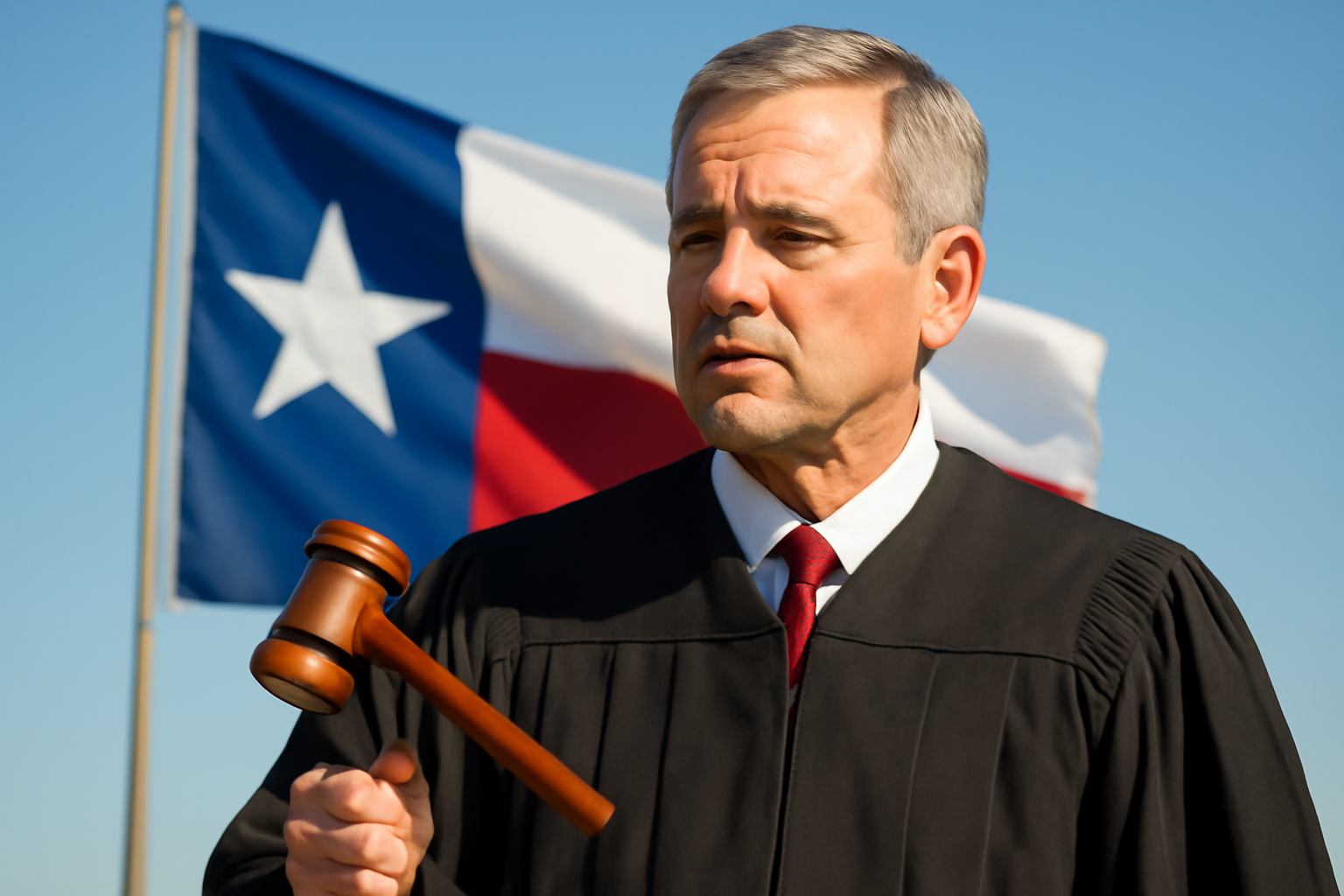
The Texas Supreme Court has made a significant move that has everyone talking. They've decided that judges can refuse officiating same-sex weddings if doing so clashes with their deeply held religious beliefs. Announced on October 24, this major decision adds another layer around Texas's ongoing discussions about religious freedom and LGBTQ+ rights.
The balance between judicial authority and religious freedom
This ruling, delivered by an all-Republican Texas Supreme Court, states that judges who opt out from marrying LGBTQ couples because it conflicts with their faith aren't breaking any rules on judicial impartiality. Judges in this position won't face disciplinary actions, marking a notable change in how religious freedom and judicial duties are viewed in legal circles.
Unpacking changes in Texas's judicial conduct code
The court has introduced a new comment in Texas's Code Of Judicial Conduct. It allows judges not wanting To officiate weddings clashing with their beliefs. This seems To contradict existing rules forbidding judges from bias or prejudice based on characteristics like race, religion, or sexual orientation.
The court clarified, "It isn't a violation Of these canons For a judge To sit Out a wedding ceremony due To sincerely held religious beliefs." This statement tries balancing A judge's personal beliefs with their professional duties under judicial conduct codes.
The impact and historical backdrop
Traditionally, judicial conduct codes have been strict about avoiding favoritism or discrimination—judges must avoid showing bias based on race, sex, religion, national origin, disability, age, sexual orientation, or socioeconomic status. But this new ruling carves out an exception rooted in religious beliefs, opening doors For future legal battles and deeper interpretations.
This debate can be traced back To McLennan County Justice Of The Peace Dianne Hensley, who faced reprimand In 2019 after declining To marry same-sex couples but continuing ceremonies For heterosexual couples. The State Commission On Judicial Conduct said her actions compromised impartiality. Hensley, however, argues she was following Christian faith guidelines.
Community reactions and wider consequences
Jessica González, chair Of The Texas House LGBTQ Caucus, didn't mince words about her disappointment with this Supreme Court decision. She said: "Though disappointed, we're not surprised. The Texas Supreme Court fails once again To advocate For LGBTQIA+ Texans." She insists that marriage rights shouldn't hinge on personal religious beliefs, warning that changes To The Judicial Conduct Code risk eroding civil rights in Texas.
The implications might reach beyond Texas's borders, possibly affecting similar cases and legal interpretations elsewhere. At present, The Texas Supreme Court Is pondering a related matter from The 5th U.S. Court Of Appeals centered around Judge Keith Umphress, who also refuses To conduct same-sex weddings based On religious grounds. The 5th Circuit wants clarification: Does The state's judicial conduct code prevent judges from publicly declining same-sex weddings? The answer could further delineate where religious liberty ends and judicial impartiality begins in Texas.
This decision underscores an enduring tension between religious freedom and LGBTQ+ rights. It raises pressing questions about marriage equality's future in Texas, possibly setting The stage For further legal and societal debates.
Related Posts
Supreme Court to Address State Bans on Trans Women in Female Sports
The upcoming U.S. Supreme Court term promises to be a pivotal moment for transgender rights, as the nation's highest court has agreed to evaluate whether states have the authority to prohibit transgender women from participating in female sports competitions. This case, scheduled to be argued in the next term beginning October, is expected to have a significant impact on the future of sports inclu [...]
Megan Rapinoe and Sue Bird Announce Amicable Separation After Ten Years Together
In a heartfelt announcement that resonated deeply within the sports and LGBTQ+ communities, soccer star Megan Rapinoe and basketball legend Sue Bird have revealed their decision to part ways after nearly a decade together. The couple, who have been icons both on and off the field, shared the news with their fans through a joint statement on social media, expressing that the choice was made with mu [...]
Groundbreaking Ruling Ends Sodomy Ban for Police and Military in the Dominican Republic
The Constitutional Court of the Dominican Republic recently delivered a landmark decision on November 18th, ruling that the nation’s police and armed forces are not permitted to criminalize consensual same-sex relations among their personnel. This pivotal ruling is a significant stride towards equality and the protection of LGBTQ+ rights within these institutions. A Resounding Victory for Equal [...]