
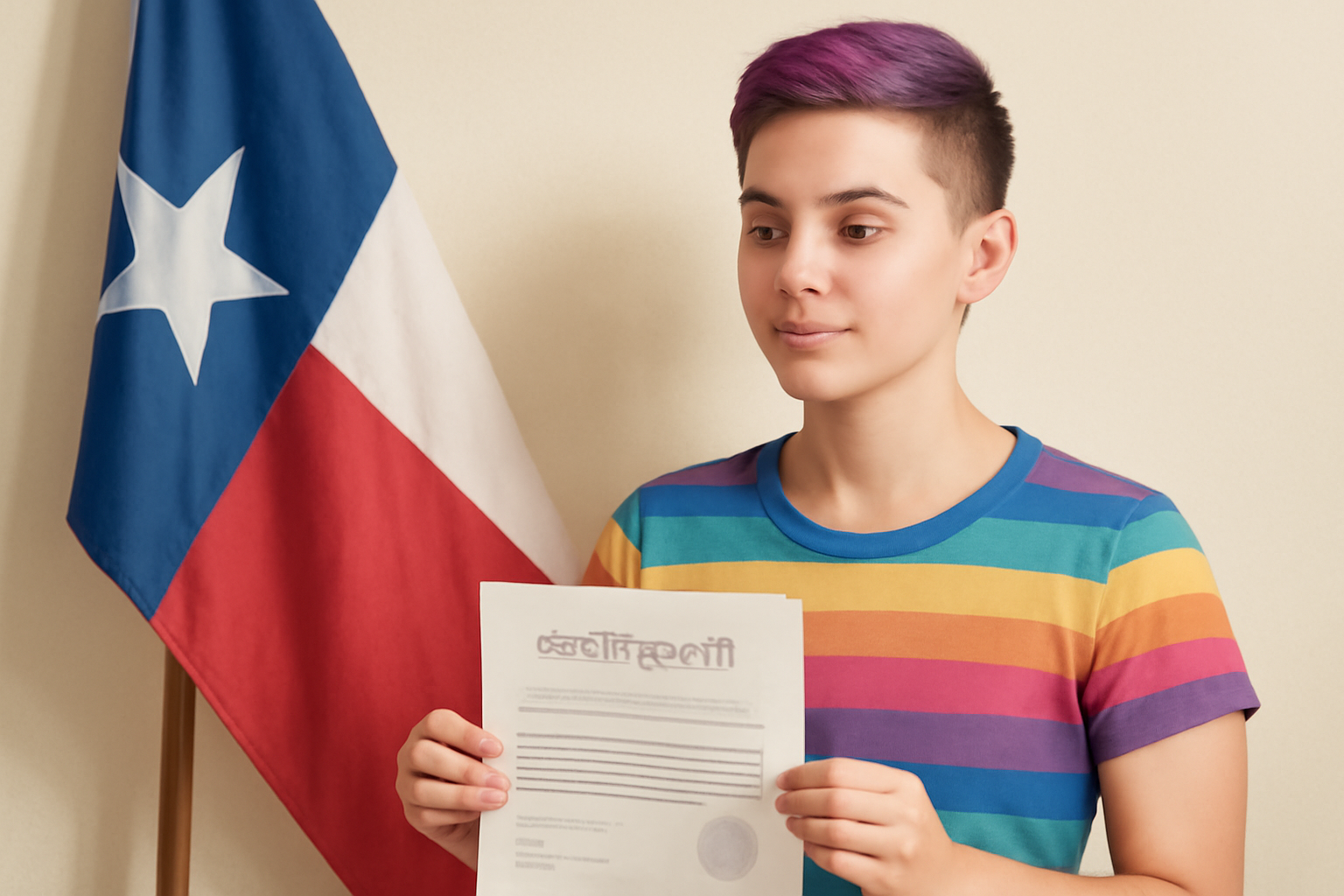
In recent years, discussing how transgender individuals are documented and tracked has become a hot topic across various states in America. Texas, in particular, has taken a front-and-center role by collecting data on transgender folks who've legally changed their gender markers. This has sparked a wave concern in LGBTQ+ circles, as well as among privacy and civil rights advocates.
Why updating legal gender markers matters
For transgender people, changing their gender markers on official documents like driver licenses and birth certificates isn't just a formality—it's vital. These changes are about staying safe, ensuring documents reflect reality, and being able live without fear or discrimination. Yet, in Texas, a quiet data-gathering effort has begun, putting a spotlight on why they're doing this and what it could mean.
Navigating bureaucratic hurdles
Understanding this data collection issue requires looking at how folks legally change their gender markers. In Texas, and many other places, this involves a maze-like process. It often means getting court orders and, sometimes, providing medical proof. While these steps are meant validate identity changes, they unintentionally leave a paper trail that can be tracked by state agencies, sparking fears about possible misuse.
Rising privacy worries
Texas's data-gathering activities surrounding transgender individuals have set off serious privacy alarms. There's a real worry that this sensitive info could be used in ways it was never meant, perhaps even leading discriminatory actions against transgender people. In a time when data privacy matters more than ever, concerns about unauthorized access or misuse linger heavily.
Community action and pushback
The response from LGBTQ+ communities and their allies? A blend concern and activism. Advocacy groups are calling on Texas be open about its data practices. There's a strong drive toward safeguarding privacy and ensuring data isn't weaponized against individuals. This outcry also fuels calls stronger legal protections, pushing both federal and state levels prevent unwarranted data collection without clear oversight.
The bigger picture on data collection
The implications reach far beyond privacy. A real fear lingers that collecting data on transgender individuals could lead increased discrimination or stigma. In a politically charged environment, where transgender rights are often debated, this data could potentially be used against them, fueling anti-trans legislation. Plus, knowing their private decisions are being watched might make some hesitate align their legal IDs with gender identity, worsening marginalization.
Conclusion: Toward inclusive policies
As conversations about privacy and transgender rights march on, Texas stands as a case study that highlights how essential it smarter data practices. It's critical ensure collected data helps rather than harms, especially vulnerable groups. The goal? Create a society where people can live their truths freely, without fear surveillance or discrimination. Ongoing advocacy and dialogue are key protecting transgender individuals' rights.
Related Posts
Supreme Court to Address State Bans on Trans Women in Female Sports
The upcoming U.S. Supreme Court term promises to be a pivotal moment for transgender rights, as the nation's highest court has agreed to evaluate whether states have the authority to prohibit transgender women from participating in female sports competitions. This case, scheduled to be argued in the next term beginning October, is expected to have a significant impact on the future of sports inclu [...]
Megan Rapinoe and Sue Bird Announce Amicable Separation After Ten Years Together
In a heartfelt announcement that resonated deeply within the sports and LGBTQ+ communities, soccer star Megan Rapinoe and basketball legend Sue Bird have revealed their decision to part ways after nearly a decade together. The couple, who have been icons both on and off the field, shared the news with their fans through a joint statement on social media, expressing that the choice was made with mu [...]
Groundbreaking Ruling Ends Sodomy Ban for Police and Military in the Dominican Republic
The Constitutional Court of the Dominican Republic recently delivered a landmark decision on November 18th, ruling that the nation’s police and armed forces are not permitted to criminalize consensual same-sex relations among their personnel. This pivotal ruling is a significant stride towards equality and the protection of LGBTQ+ rights within these institutions. A Resounding Victory for Equal [...]