
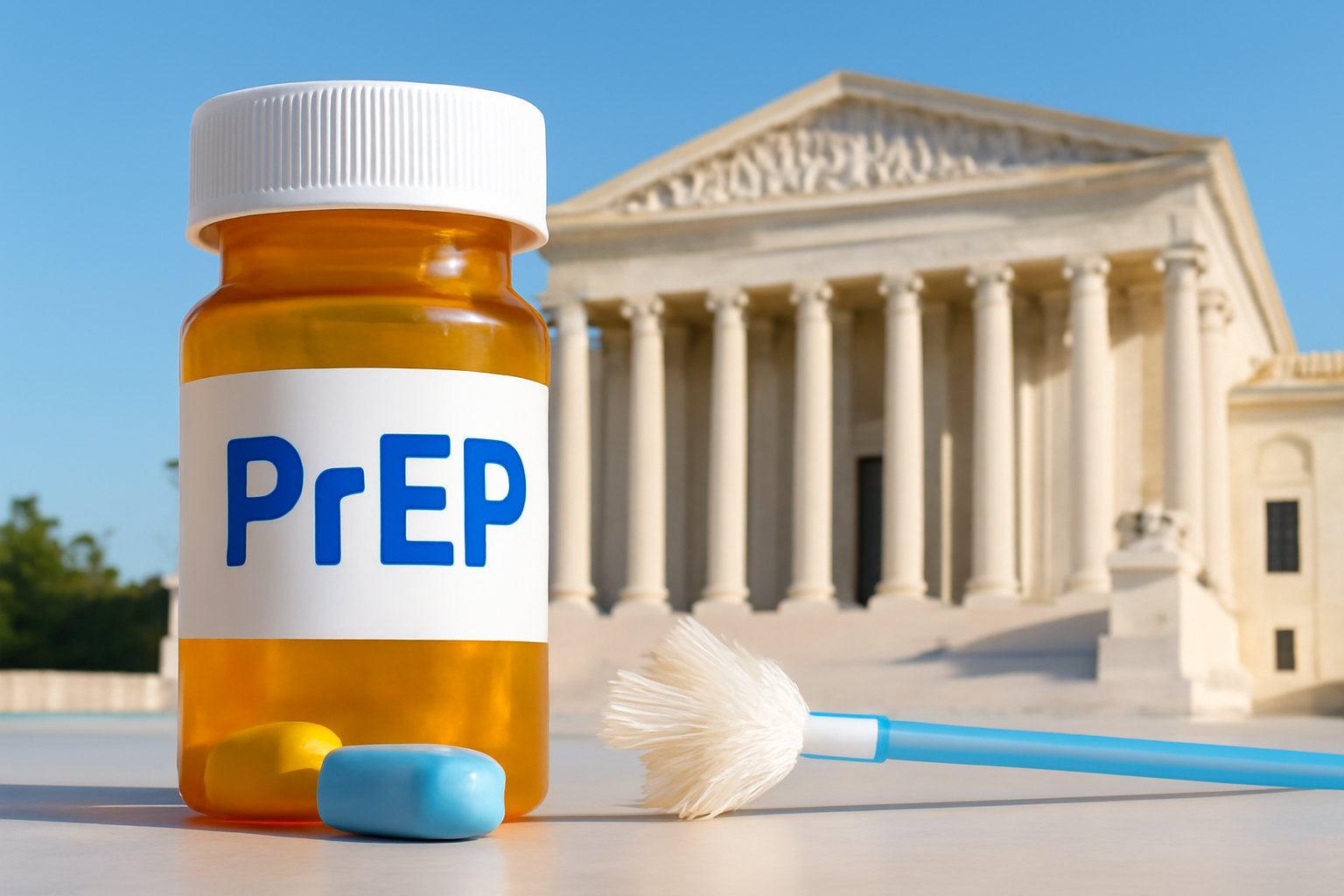
In a significant upcoming decision, the Supreme Court is set to rule on whether insurance companies are required to provide coverage for preventive measures such as PrEP (pre-exposure prophylaxis) for HIV prevention and cancer screenings. This decision could have far-reaching implications for public health and access to essential healthcare services across the United States.
The Importance of PrEP in HIV Prevention
PrEP is a highly effective medication that, when taken consistently, can significantly reduce the risk of contracting HIV. It is a vital tool in the ongoing effort to combat the spread of HIV, particularly among high-risk populations. Ensuring broad access to PrEP is crucial in reducing new HIV infections and moving toward ending the HIV epidemic.
Currently, access to PrEP can be limited by several factors, including cost and insurance coverage. Without insurance coverage, the out-of-pocket cost for PrEP can be prohibitive for many individuals, especially those from marginalized communities who are most at risk. Advocacy groups argue that insurance coverage for PrEP is essential to ensure that everyone who needs the medication can obtain it without financial barriers.
The Role of Cancer Screenings
Cancer screenings, such as mammograms and colonoscopies, are essential preventive services that can detect cancer early, when it is most treatable. Early detection through screenings can significantly improve outcomes and save lives. However, these screenings can also be costly without insurance coverage.
Access to affordable cancer screenings is a critical component of healthcare, enabling people to take proactive steps in managing their health. Without insurance coverage, individuals may delay or forego these important screenings, leading to more advanced stages of cancer at diagnosis and potentially less favorable outcomes.
The Potential Impact of the Supreme Court's Decision
The Supreme Court's ruling will have a direct impact on millions of Americans who rely on their health insurance to cover preventive services like PrEP and cancer screenings. A decision requiring insurance companies to cover these services could lead to improved public health outcomes and greater equity in healthcare access.
Conversely, if the court decides that insurance companies are not obligated to cover these services, it could lead to increased health disparities and worsen outcomes for those who are unable to afford these preventive measures on their own. Such a decision could disproportionately affect LGBTQ+ communities, racial and ethnic minorities, and low-income individuals, all of whom are already at greater risk for both HIV and cancer.
The Broader Context of Preventive Healthcare
This case highlights the broader debate surrounding preventive healthcare and the role of insurance companies in supporting public health initiatives. Preventive care is widely recognized as a cost-effective way to maintain public health and reduce long-term healthcare costs. By preventing disease before it starts, or catching it in the early stages, healthcare systems can save significant resources and improve patient outcomes.
Many health policy experts argue that insurance companies should be required to cover preventive services as part of their basic offerings. This not only benefits individuals but also reduces the overall burden on healthcare systems by preventing more serious and costly health issues down the line.
What Lies Ahead
As the Supreme Court prepares to make its decision, advocacy groups and public health experts are closely monitoring the case. The outcome will likely resonate beyond the scope of the immediate issue, influencing future policies on healthcare coverage and access to preventive services.
The stakes are high, and the decision could set a precedent for how preventive healthcare is approached in the United States. For now, advocates continue to push for policies that ensure comprehensive healthcare coverage for all, emphasizing the importance of preventive measures like PrEP and cancer screenings.
In conclusion, the Supreme Court's impending decision on insurance coverage for PrEP and cancer screenings is a pivotal moment for public health in America. The ruling will shape the landscape of healthcare access and equity, with significant implications for individuals and communities across the nation.
Related Posts
Supreme Court to Address State Bans on Trans Women in Female Sports
The upcoming U.S. Supreme Court term promises to be a pivotal moment for transgender rights, as the nation's highest court has agreed to evaluate whether states have the authority to prohibit transgender women from participating in female sports competitions. This case, scheduled to be argued in the next term beginning October, is expected to have a significant impact on the future of sports inclu [...]
Megan Rapinoe and Sue Bird Announce Amicable Separation After Ten Years Together
In a heartfelt announcement that resonated deeply within the sports and LGBTQ+ communities, soccer star Megan Rapinoe and basketball legend Sue Bird have revealed their decision to part ways after nearly a decade together. The couple, who have been icons both on and off the field, shared the news with their fans through a joint statement on social media, expressing that the choice was made with mu [...]
Groundbreaking Ruling Ends Sodomy Ban for Police and Military in the Dominican Republic
The Constitutional Court of the Dominican Republic recently delivered a landmark decision on November 18th, ruling that the nation’s police and armed forces are not permitted to criminalize consensual same-sex relations among their personnel. This pivotal ruling is a significant stride towards equality and the protection of LGBTQ+ rights within these institutions. A Resounding Victory for Equal [...]